
What If Nobody Ever Felt Fear?
Quick Answer: If nobody ever felt fear, life might seem happier and more confident at first. But without fear to warn us of danger, people would take greater risks, accidents would soar, and society itself could become far more unpredictable. Fear isn't just an unpleasant emotion-it's one of humanity's oldest survival instincts.
The Premise
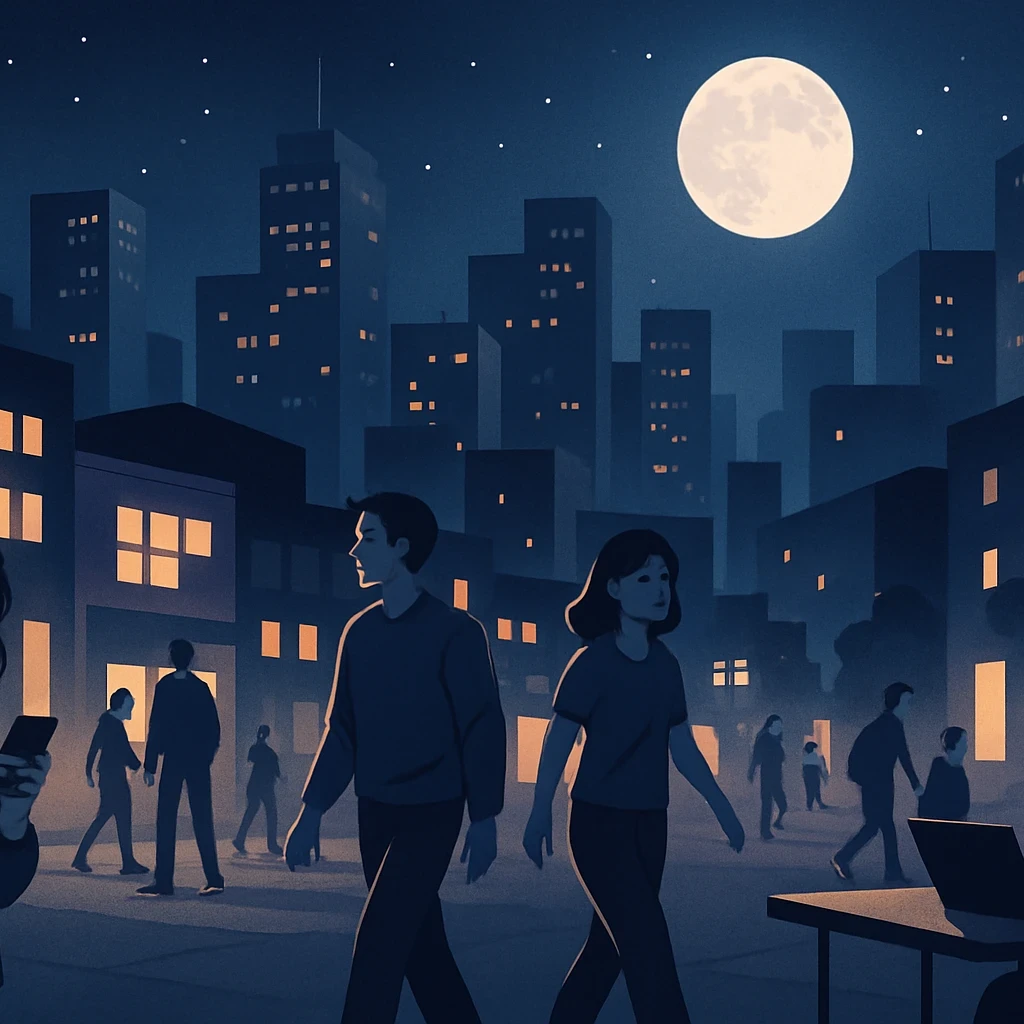
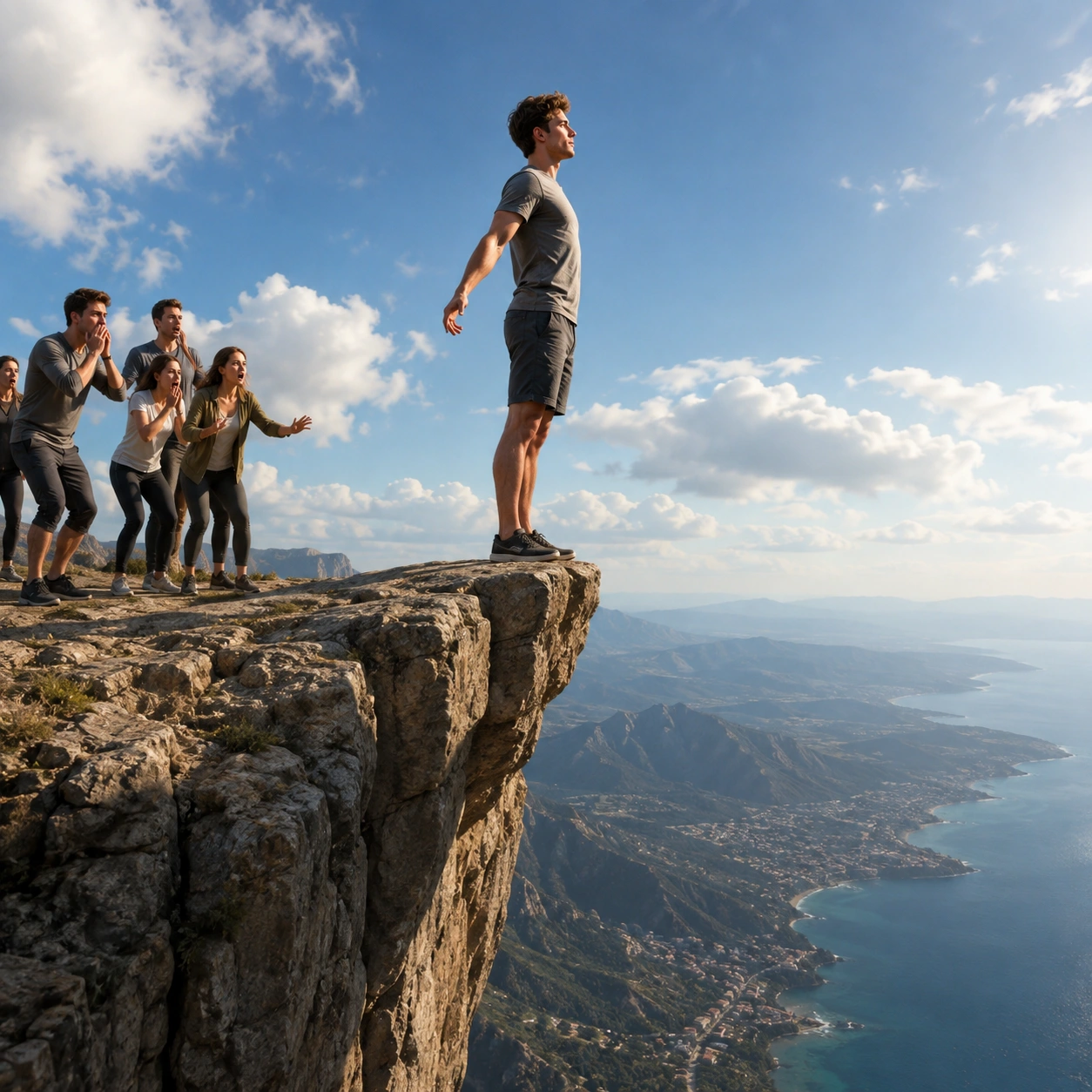
Imagine waking up tomorrow morning to discover that every trace of fear had vanished. Nobody panics, nobody hesitates, and nobody feels anxious or intimidated. People still experience happiness, sadness, anger, and love-but the instinct that warns us of danger has simply disappeared.
This isn't a world where people become braver through experience or learn to manage fear. It is a world where the emotion itself no longer exists. Children no longer fear strangers, drivers no longer fear speeding, climbers no longer fear falling, and leaders no longer fear the consequences of risky decisions. Every choice is made without that quiet inner voice urging caution.
At first, such a world sounds liberating. No stage fright. No phobias. No fear of failure or rejection. Yet fear is far more than an unpleasant emotion. It is one of humanity's oldest survival mechanisms, shaping everything from personal choices and relationships to medicine, technology, and civilization itself. If fear suddenly disappeared, would humanity finally be free-or would we discover that courage only has meaning because fear exists in the first place?
The Science and Speculation
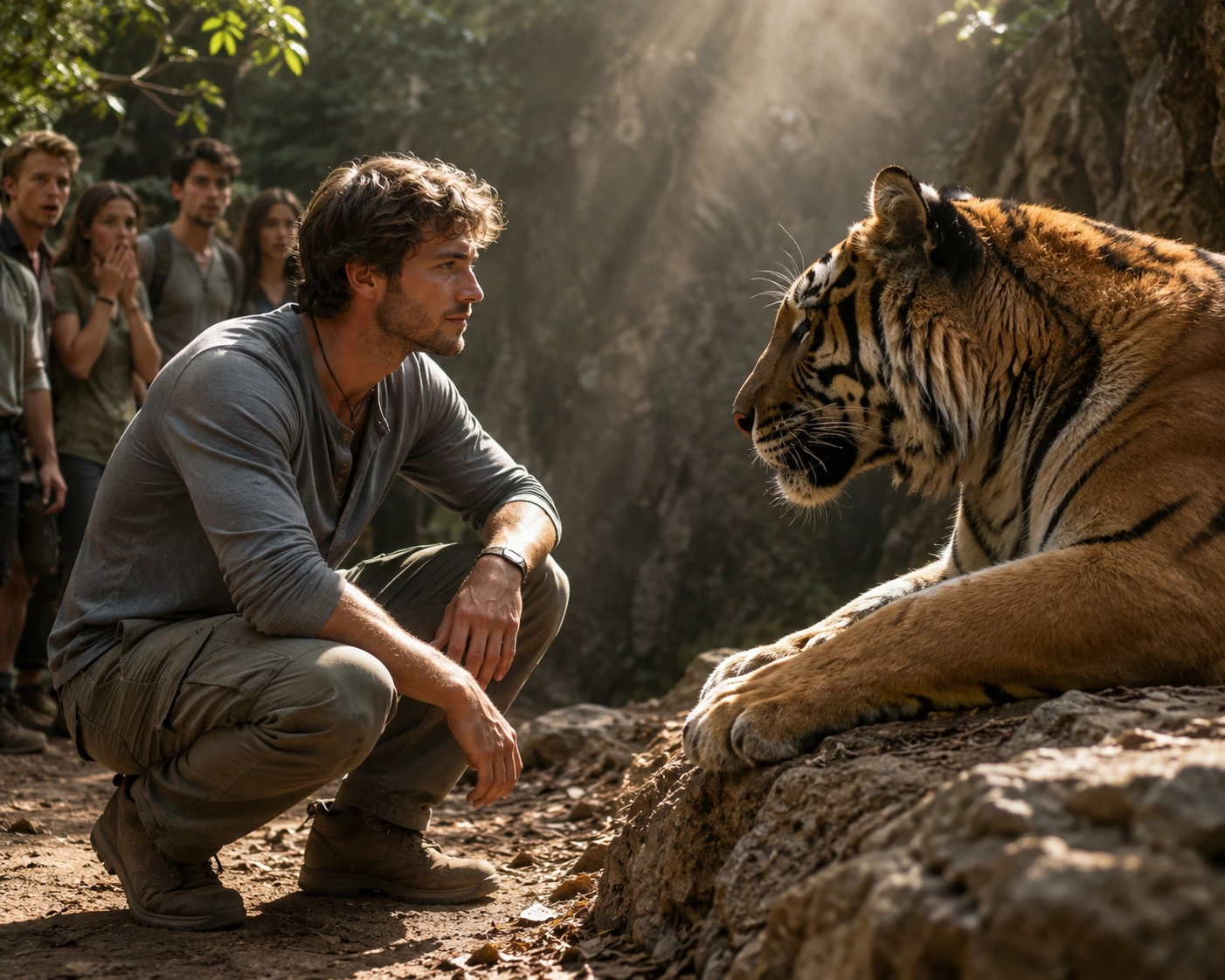
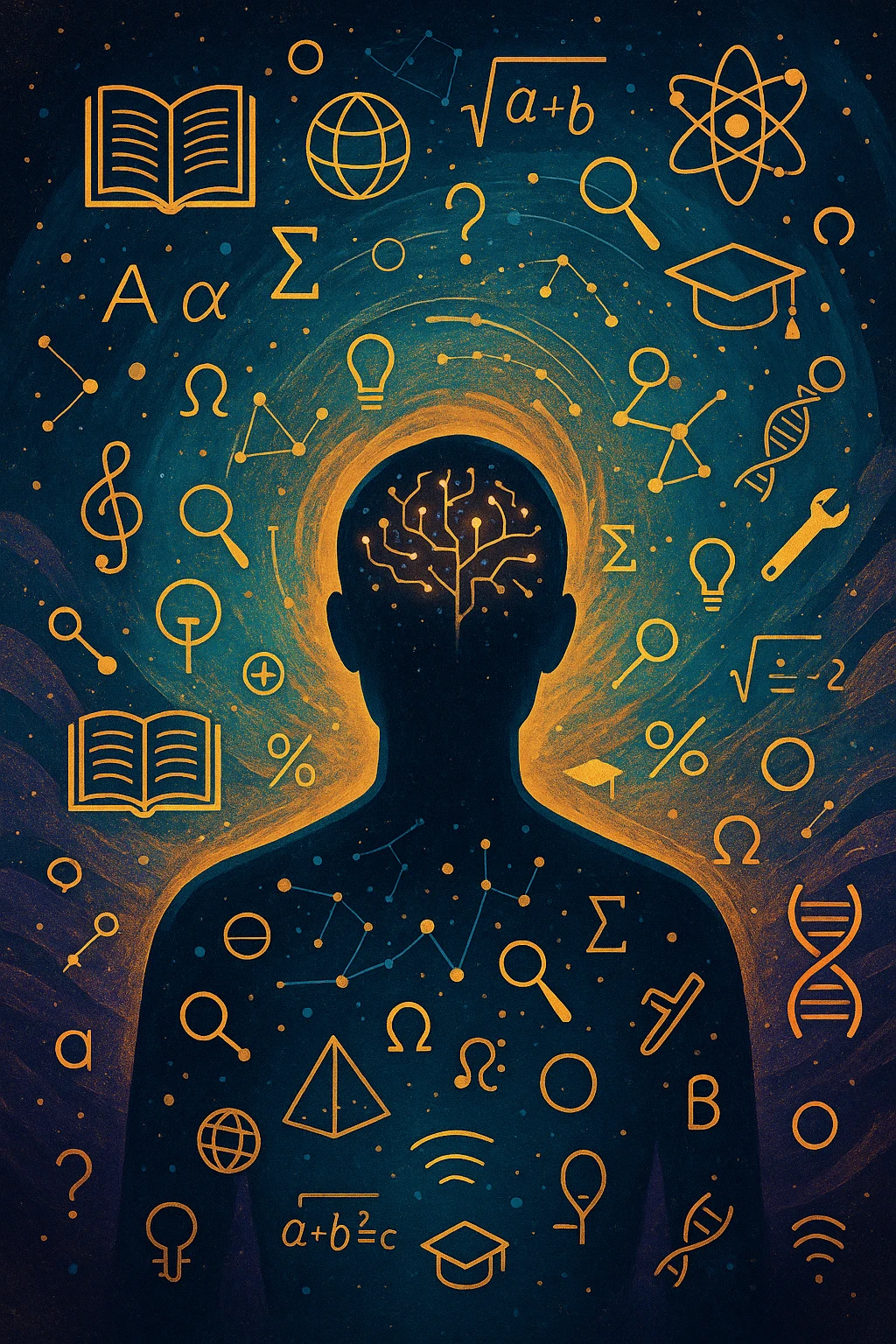
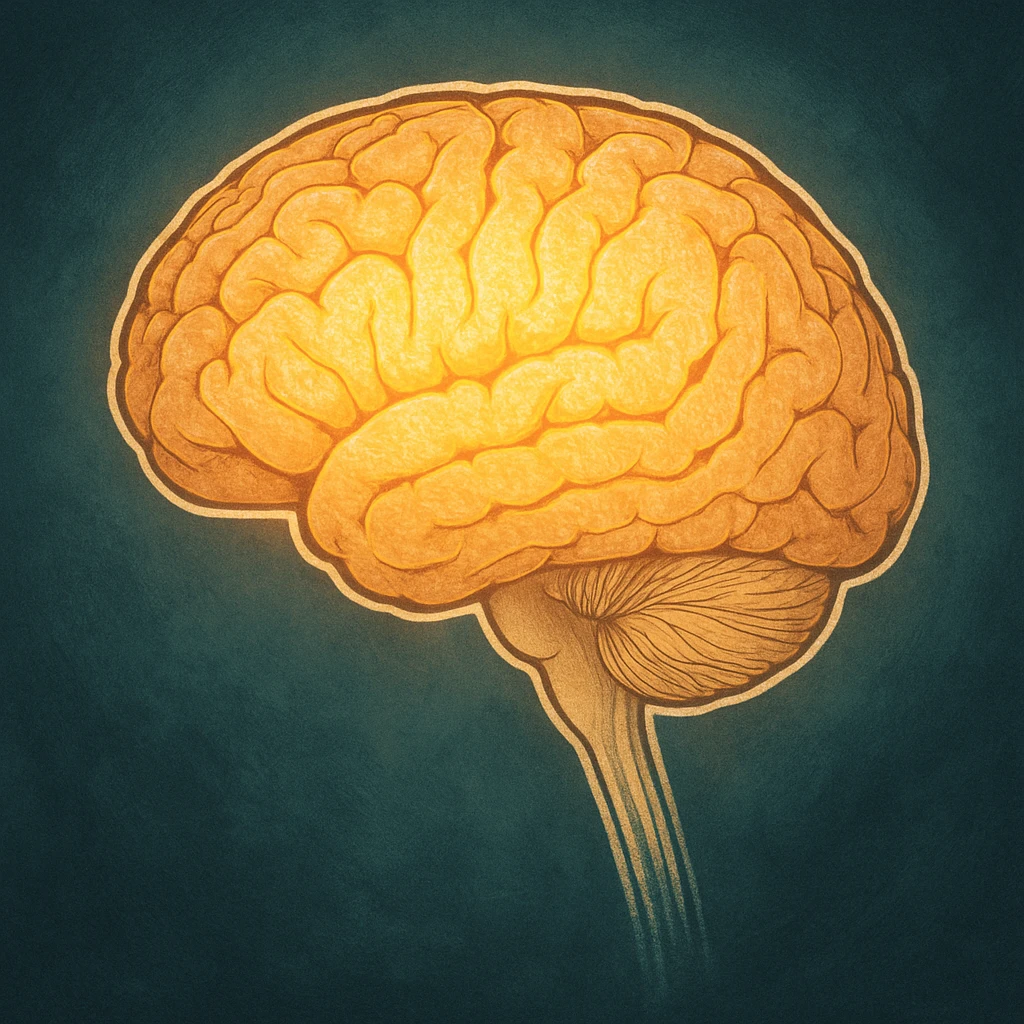
Fear is one of humanity's oldest and most important survival instincts. Long before civilization existed, it warned our ancestors of predators, dangerous terrain, poisonous animals, and hostile strangers. That rapid emotional response is controlled largely by the amygdala, a small structure deep within the brain that helps us recognize threats and react before conscious thought can fully process the situation.
Fear is often misunderstood as weakness, but in reality it is a sophisticated biological alarm system. When danger appears, the brain releases stress hormones such as adrenaline, increasing heart rate, sharpening attention, and preparing muscles for immediate action. This "fight, flight, or freeze" response has helped humans survive for hundreds of thousands of years.
Fortunately, fear is balanced by another remarkable human ability: reasoning. While fear may tell us to avoid danger, experience and logic allow us to decide whether the threat is real. A firefighter enters a burning building despite fear. A mountain climber carefully manages fear through training and preparation. Courage is not the absence of fear-it is the ability to act despite it.
No known medical condition can completely eliminate fear while leaving every other emotion untouched. Certain brain injuries can greatly reduce fear responses, but they often leave people unusually vulnerable because they struggle to recognize genuine danger. For that reason, a world entirely without fear remains firmly within the realm of imagination.
Possible Consequences
- Accidents Would Skyrocket: Fear causes people to slow down, wear seat belts, avoid unstable structures, and think twice before taking dangerous risks. Without it, many everyday activities would become far more hazardous.
- Children Would Be Especially Vulnerable: Young children naturally learn caution by experiencing fear. Without that instinct, many would approach strangers, dangerous animals, busy roads, deep water, or fire without hesitation.
- Crime Could Rise, or Change: Criminals would no longer fear arrest or punishment, but ordinary citizens might also become more willing to confront criminals directly. Society could become both bolder and more unpredictable.
- Innovation Might Accelerate: Fear of failure often prevents people from trying new ideas. Without it, scientific discovery, entrepreneurship, and exploration might flourish as more people willingly take risks.
- Relationships Would Change: Fear of rejection, embarrassment, and criticism shapes much of human behavior. Conversations might become more honest and direct, but also less considerate of consequences.
- Emergency Response Would Look Different: Firefighters, police officers, soldiers, and rescue workers often perform extraordinary acts despite fear. Without fear, bravery might become commonplace, but reckless decisions could also increase dramatically.
- Mental Health Would Improve in Some Ways: Anxiety disorders, many phobias, and chronic fear-based stress might disappear, potentially improving quality of life for millions of people.
- Survival Instincts Would Weaken: In the end, humanity might discover that fear is not an obstacle to survival but one of its greatest allies. Without it, the line between confidence and recklessness could disappear entirely.
Surprising Facts
- People born with extremely rare damage to the amygdala often show greatly reduced fear responses. While fascinating to scientists, they may unknowingly place themselves in dangerous situations because they struggle to recognize genuine threats.
- Fear can actually improve performance. Moderate levels of fear sharpen attention, speed up reaction time, and help the brain focus on what matters most during emergencies.
- The human fear response is incredibly fast. In some situations, your brain can begin reacting to danger before you are consciously aware of what you have seen or heard.
- Many common fears, such as heights, snakes, and darkness, are thought to have evolutionary roots because they helped our ancestors survive in hazardous environments.
In Pop Culture
The idea of becoming fearless has fascinated storytellers for generations. Superheroes often appear almost immune to fear, allowing them to face impossible dangers that ordinary people would never attempt. Yet many stories eventually reveal that true heroes are not fearless, they simply choose to act despite being afraid.
Films, television, and video games frequently explore worlds where fear is manipulated, suppressed, or weaponized. From psychological thrillers to science fiction, removing fear often produces unintended consequences, turning ordinary people into reckless individuals or making villains far more dangerous because they no longer fear failure, pain, or death.
These fictional stories echo an important truth. Fear is not merely an obstacle to overcome; it is part of what makes courage meaningful. Without fear, many of humanity's greatest acts of bravery would simply become ordinary decisions.
Expert Take
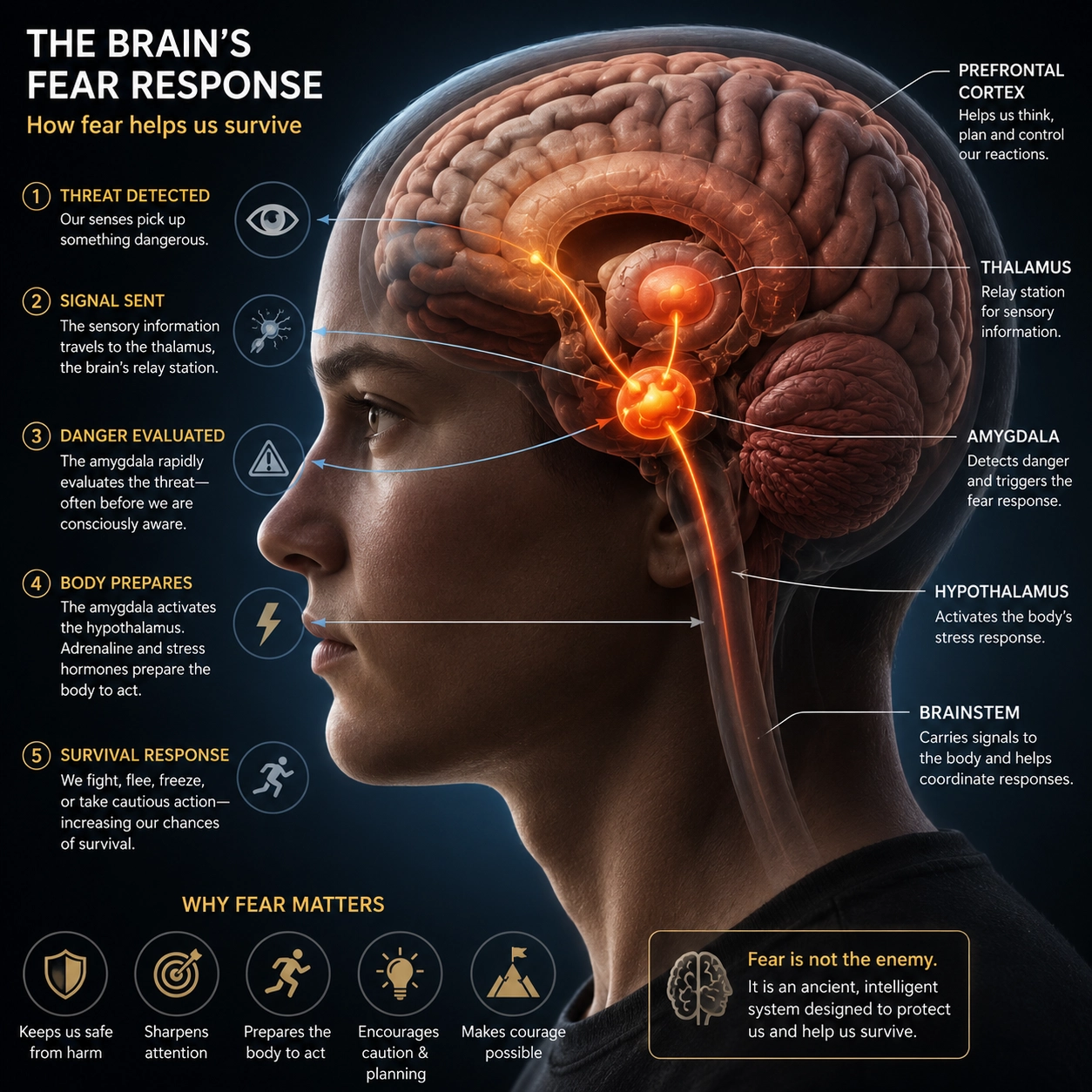
Neuroscientists view fear as one of the brain's most important protective systems. Structures such as the amygdala rapidly evaluate potential threats and trigger physical responses long before conscious reasoning has finished analyzing the situation. Although fear is often uncomfortable, it has helped humans survive for hundreds of thousands of years.
Psychologists also distinguish fear from anxiety. Fear is usually a response to an immediate danger, while anxiety often involves anticipating future events or uncertain outcomes. Both emotions can become excessive and harmful, but in healthy amounts they encourage caution, preparation, and sound decision-making.
Experts generally agree that the goal is not to eliminate fear altogether, but to manage it wisely. A healthy fear of genuine danger keeps us alive, while the ability to overcome unnecessary fears allows us to grow. In that balance lies one of the defining characteristics of being human.
Skygaze Twist
What if fear's greatest purpose isn't to hold us back, but to quietly protect everything we value? We often imagine fear as an enemy to defeat, yet it warns us when something matters, teaches us caution, and gives courage something to overcome. A world without fear might feel free at first, but it could also become a world without restraint, preparation, or true bravery. Perhaps fear is not the opposite of strength. Perhaps it is the signal that gives strength meaning.
What About You?
If every trace of fear vanished tomorrow morning, what would you do first? Would you finally attempt something fear has always prevented you from doing, or would you begin to miss the instinct that once kept you safe? Do you think humanity would become more courageous, more reckless, or somehow both at once? Think it over, and continue exploring more bold possibilities here on Skygaze.