
Hollow Earth: Myth, Mystery and Hidden Worlds
A World Below
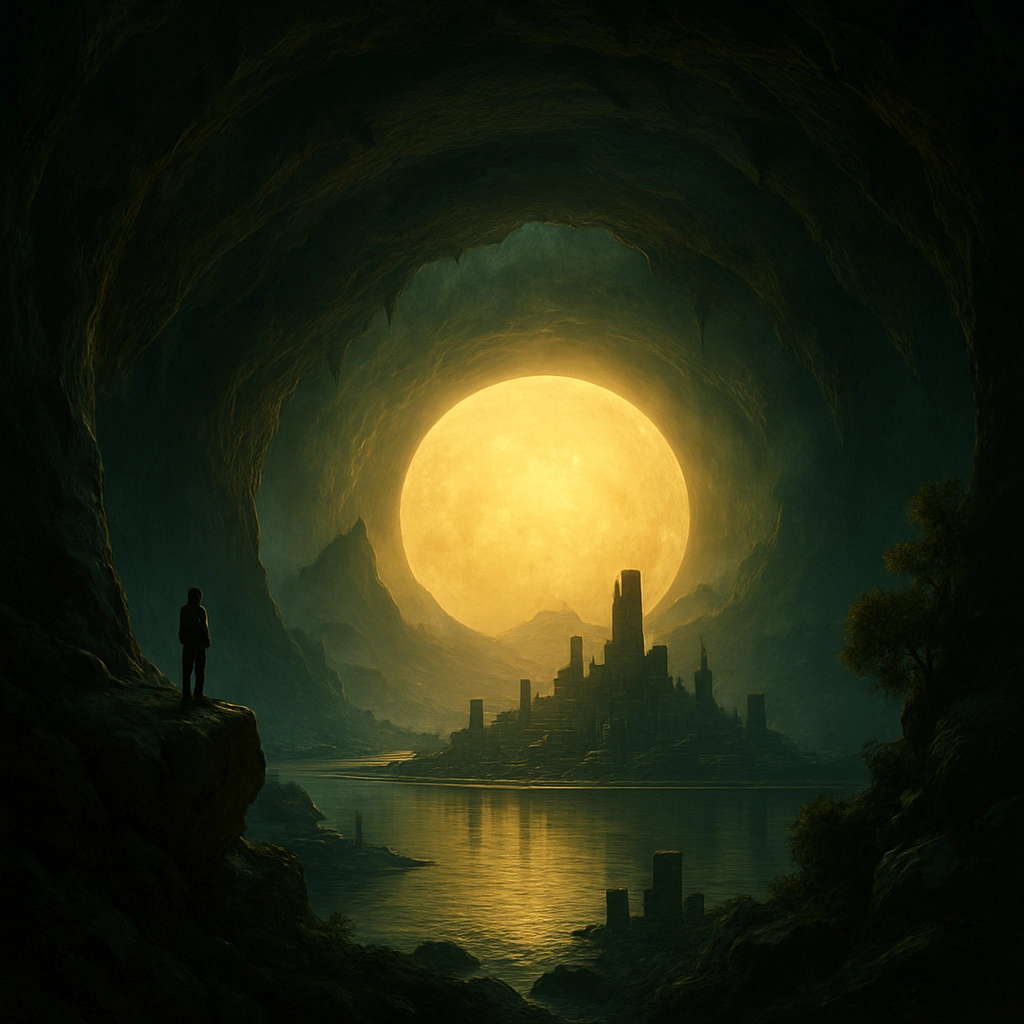
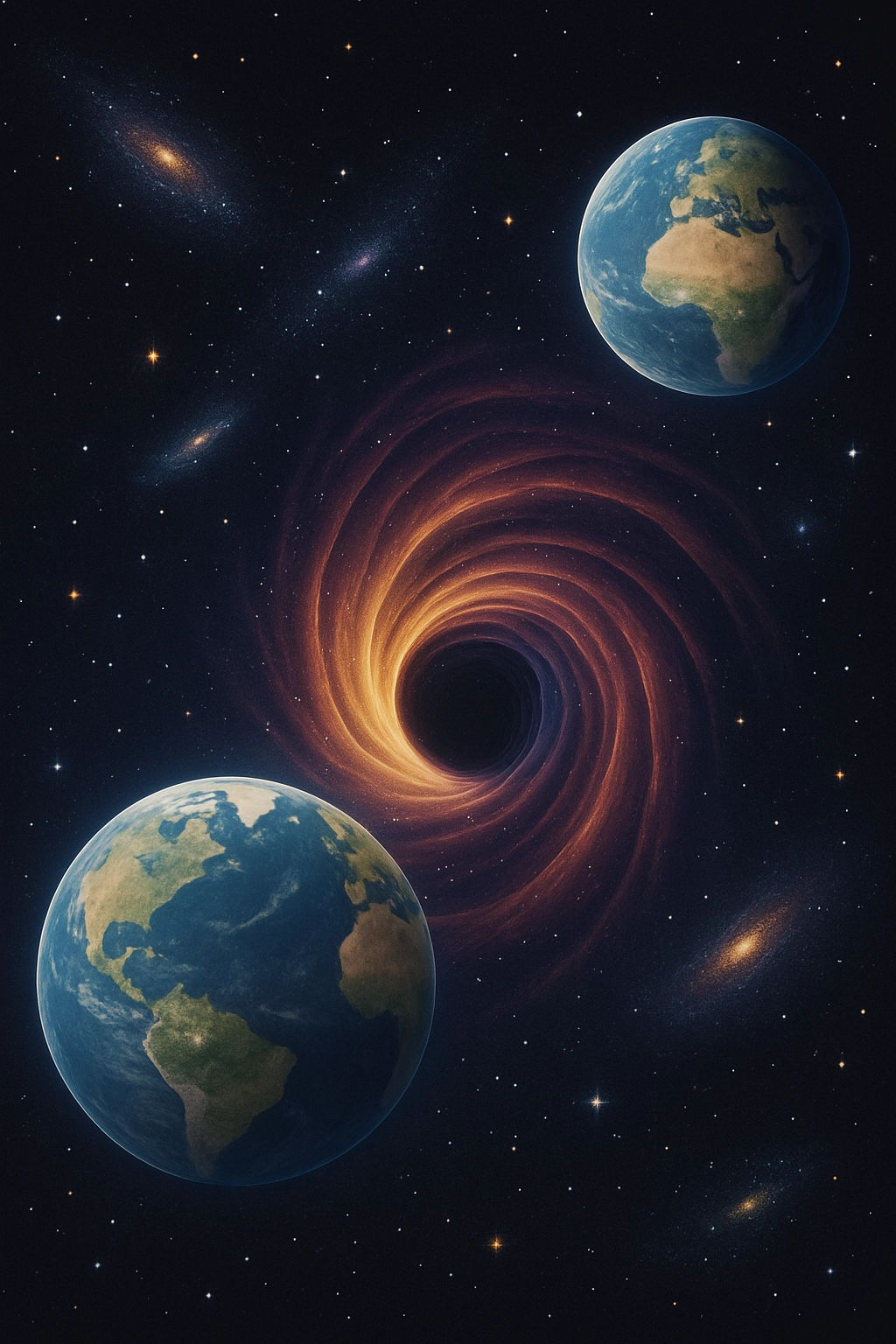
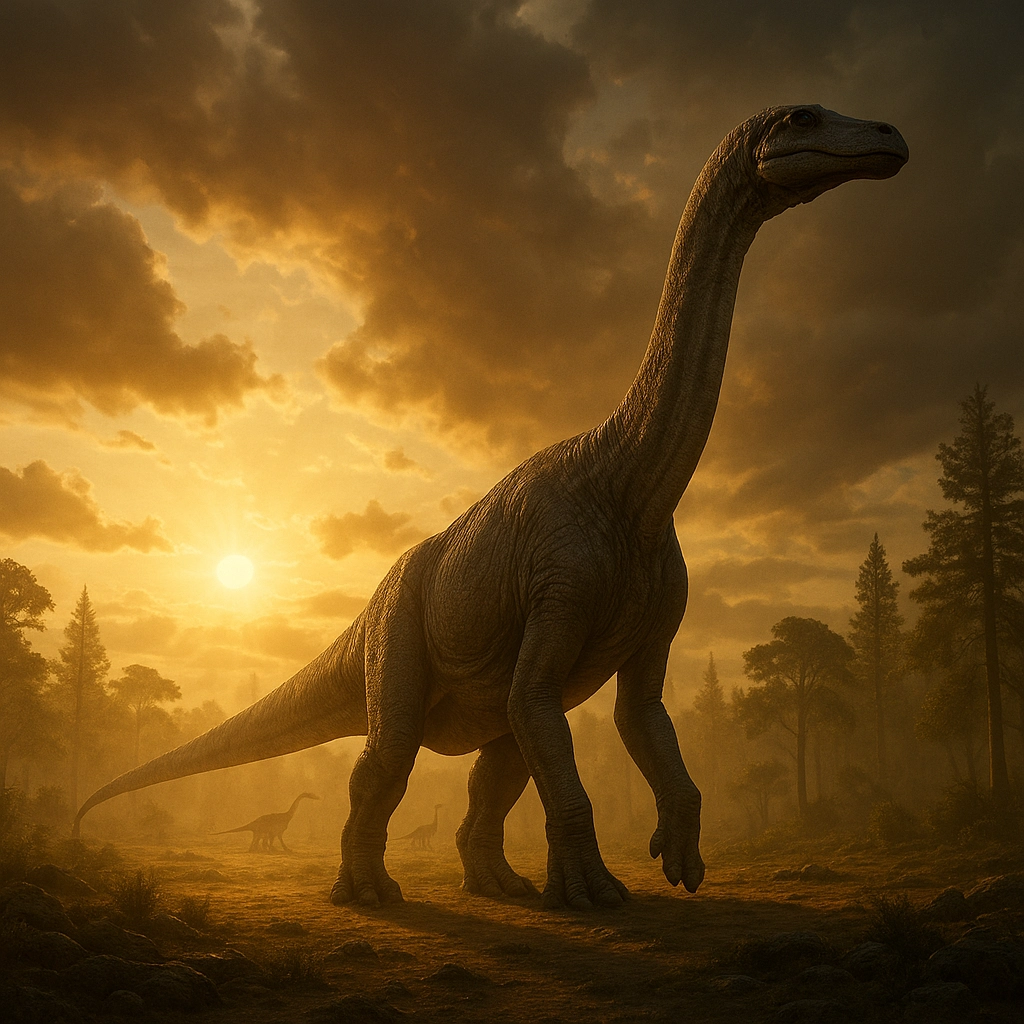
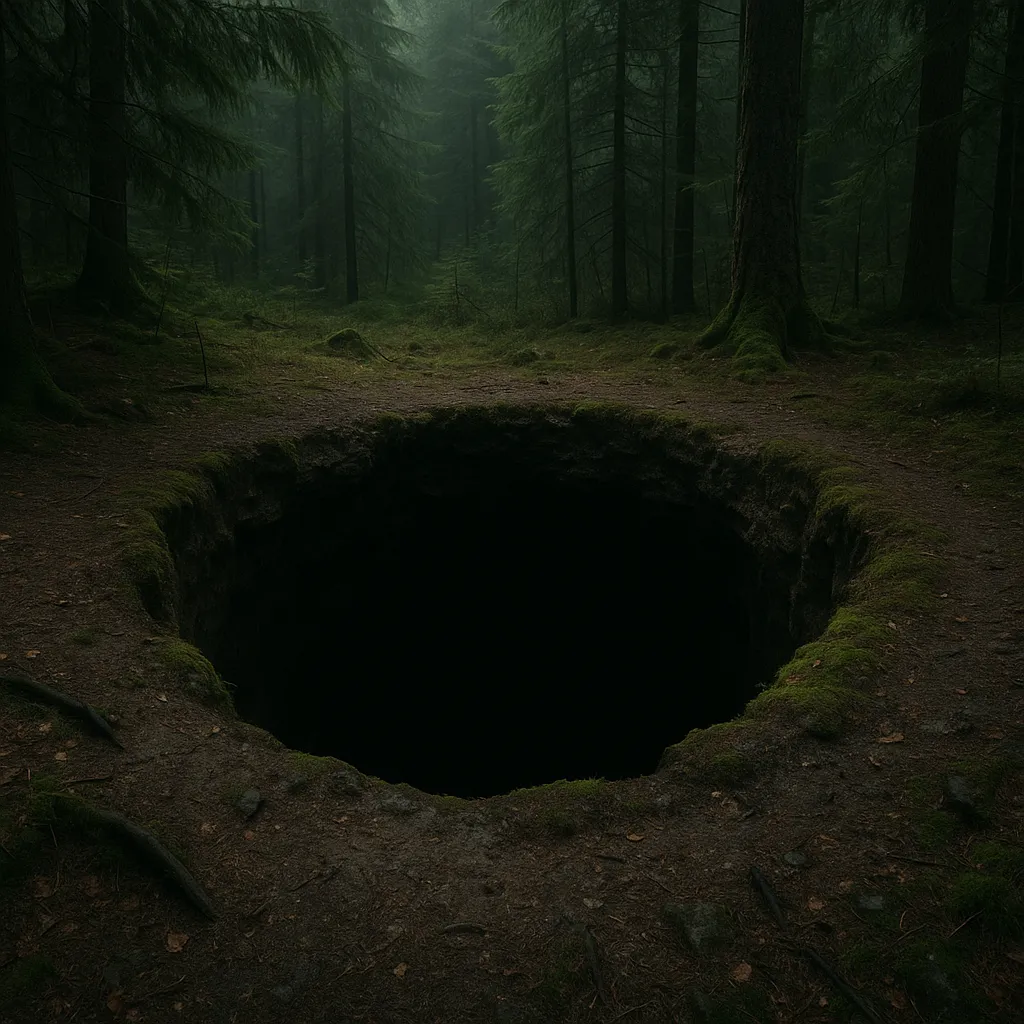
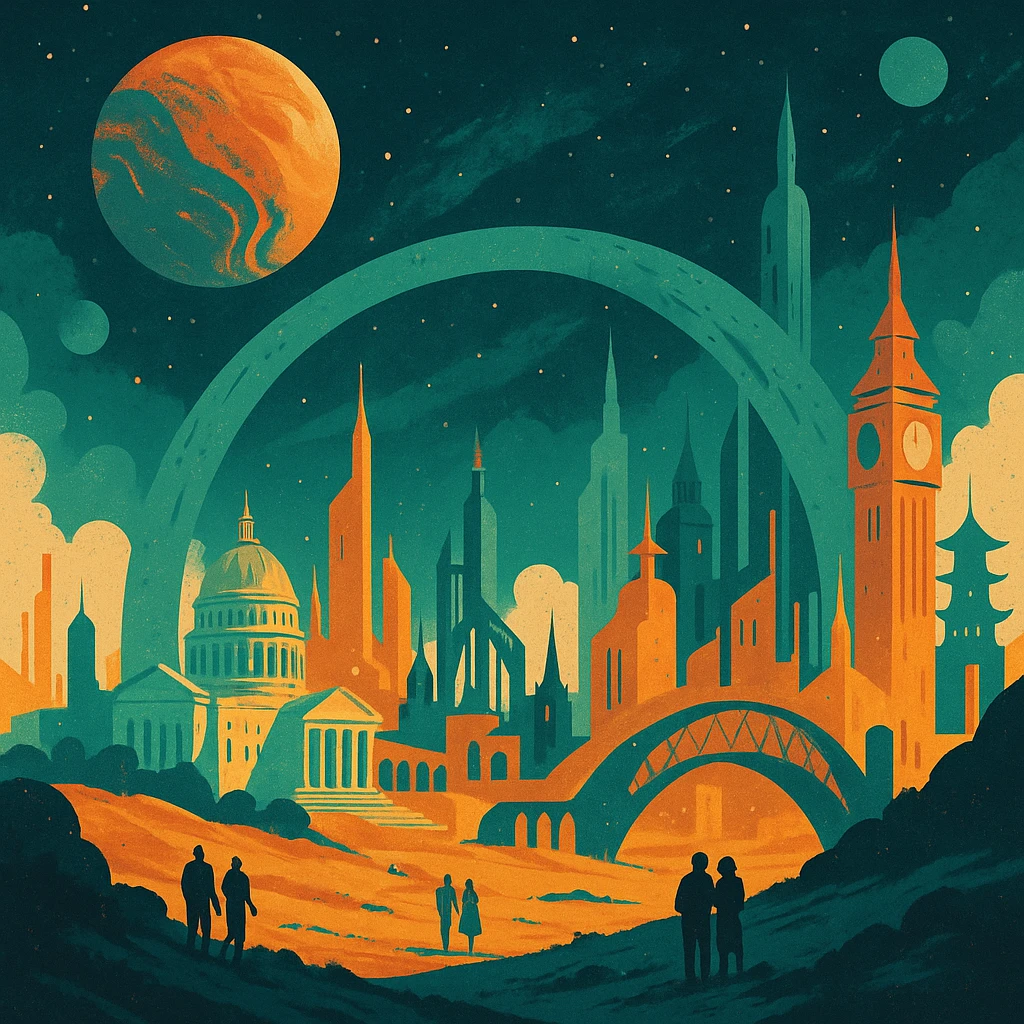
For centuries, the idea of a Hollow Earth has fascinated explorers, philosophers, mystics, and conspiracy theorists alike. Rather than a solid planet, the theory proposes that enormous caverns-or even an entire hidden world-exist beneath Earth's surface. Depending on the version, these underground realms are said to contain advanced civilizations, lost cities, strange creatures, lush landscapes, and even their own internal sun. Some traditions place entrances at the North or South Pole, while others claim access through remote caves, volcanoes, or mountain ranges. Although rejected by modern science, the Hollow Earth remains one of the world's most enduring and imaginative mysteries.
Ancient Roots
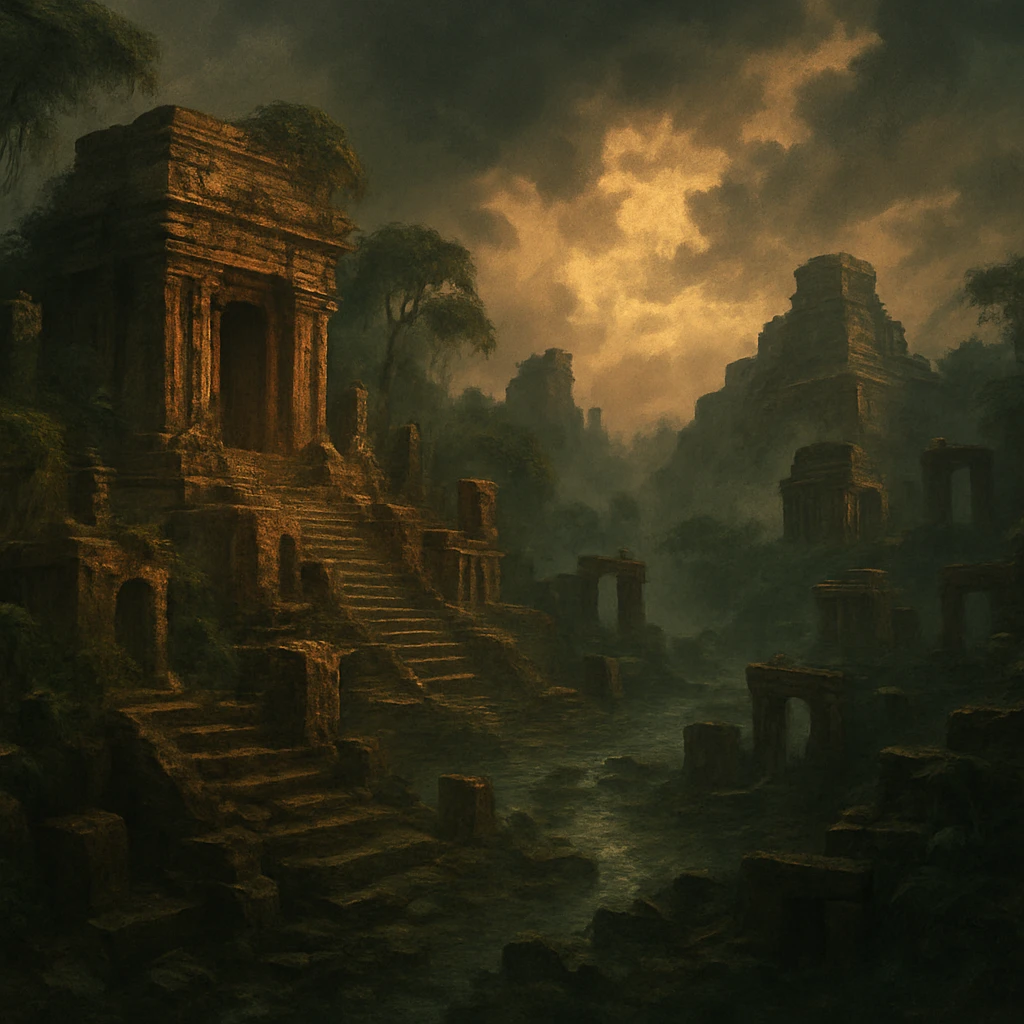
Legends of hidden worlds beneath the Earth stretch back thousands of years. In Tibetan tradition, the mysterious kingdom of Shambhala is often described as a hidden realm accessible only to the spiritually prepared. Ancient Greek mythology imagined the underworld as a vast subterranean domain where souls journeyed after death, while Norse mythology spoke of Svartalfheim, the underground home of dwarves and master craftsmen. Similar stories appear across cultures worldwide, suggesting humanity has long imagined that another world may exist beneath our own. Whether symbolic or literal, these ancient traditions helped lay the foundation for later Hollow Earth beliefs.
Modern Theories
During the seventeenth century, astronomer Edmund Halley proposed that Earth might consist of several concentric shells separated by atmospheres. Although intended as a scientific hypothesis of its time rather than a mystical claim, the idea inspired later generations. In the nineteenth century, figures such as John Cleves Symmes Jr. argued that enormous openings at the poles led to habitable inner regions. Cyrus Teed later expanded the concept even further, proposing an entirely different cosmology in which humanity actually lived inside a hollow universe. By the twentieth century, Hollow Earth stories merged with tales of secret Antarctic expeditions, hidden Nazi bases, UFOs, and advanced underground civilizations, creating many of the modern legends that continue today.
Mount Shasta and Lemuria
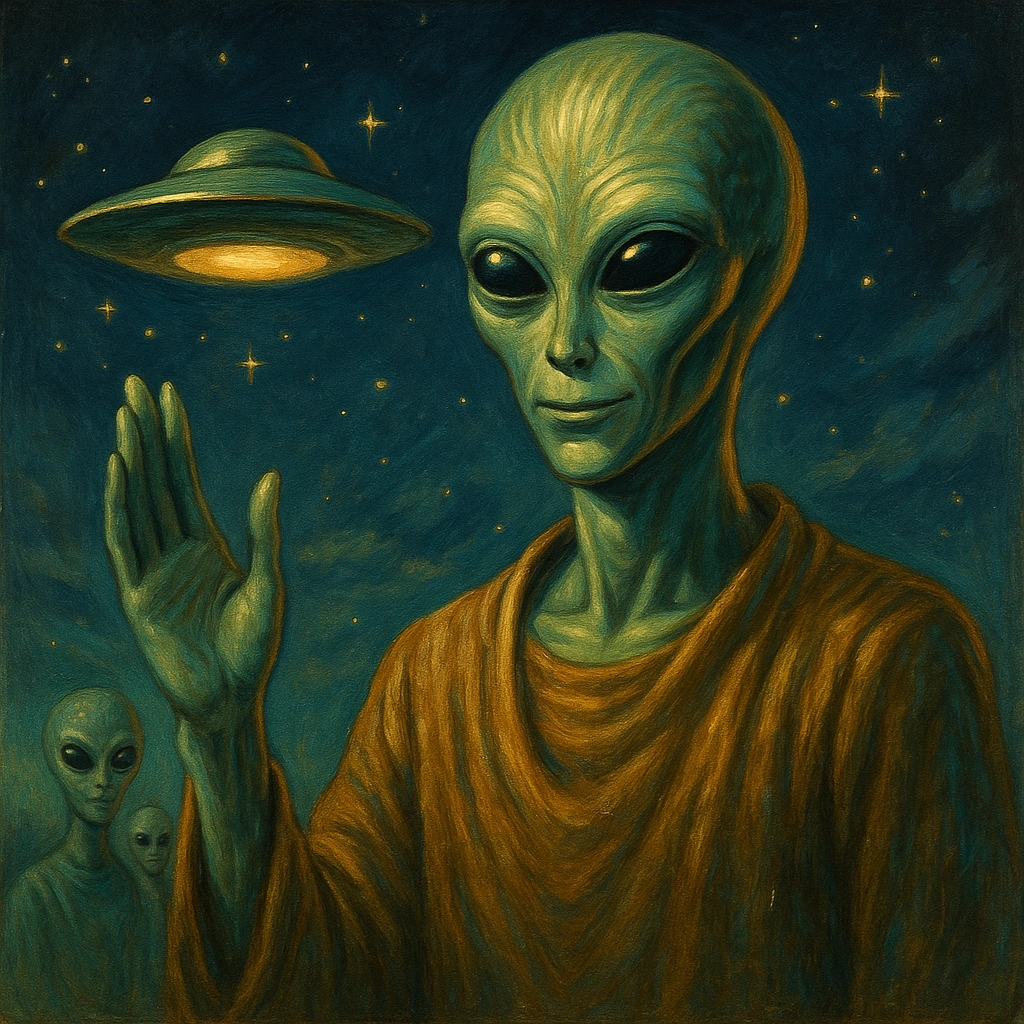
Mount Shasta in northern California has become one of the most famous locations associated with Hollow Earth traditions. According to modern esoteric beliefs, the mountain conceals entrances to the legendary city of Telos, said to be inhabited by descendants of the lost civilization of Lemuria. These highly advanced beings are often described as spiritually evolved guardians who live peacefully beneath the mountain, occasionally revealing themselves through mysterious lights, unusual encounters, or teachings shared with selected visitors. While no evidence has confirmed these claims, Mount Shasta continues to attract spiritual seekers, researchers, and curious travelers from around the world.
Other Hollow Earth Stories
Throughout the twentieth century, numerous writers expanded Hollow Earth mythology in increasingly imaginative ways. Maurice Doreal (born Claude Doggins) claimed to have communicated with advanced beings living beneath Mount Shasta, describing vast underground civilizations descended from both Atlantis and Lemuria. Through his Brotherhood of the White Temple, he published writings that blended ancient civilizations, extraterrestrials, and spiritual teachings into an elaborate cosmology.
Another unusual account came from W. C. Hefferlin, who wrote of discovering Rainbow City beneath Antarctica-an abandoned underground metropolis supposedly built by extraterrestrials. His stories described advanced technology, hidden transportation systems, and civilizations that had once migrated from Mars before Earth's continents shifted dramatically. Although many readers criticized the scientific inaccuracies in these accounts, the stories became part of the growing body of Hollow Earth folklore and continue to circulate among enthusiasts today.
These accounts illustrate how the Hollow Earth idea gradually evolved beyond geology into a blend of mythology, occult beliefs, lost civilizations, extraterrestrial visitors, and speculative history. Rather than forming a single unified theory, Hollow Earth has become a collection of interconnected legends that continue to evolve with each generation.
Modern Science
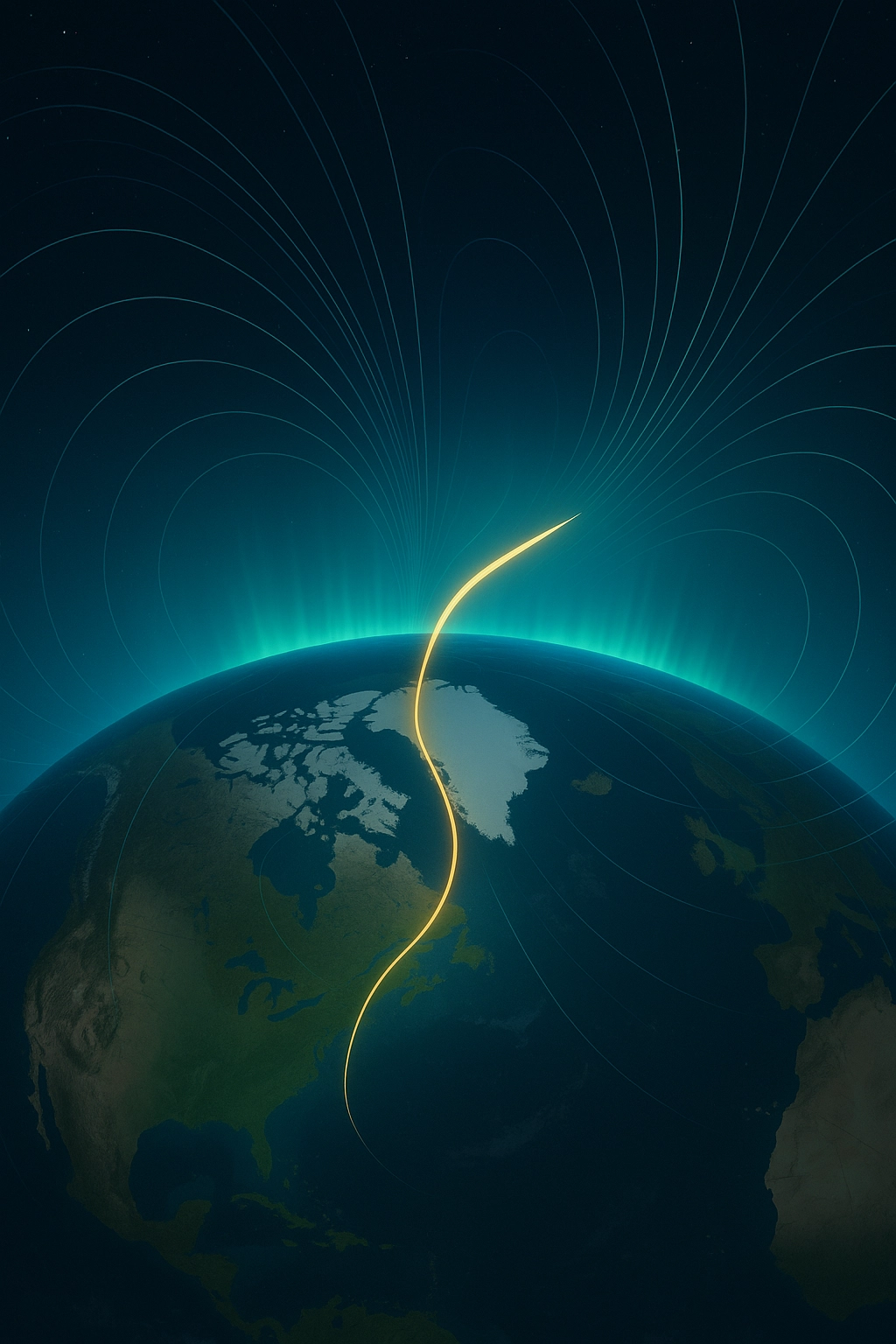
Modern geology, seismology, and planetary science provide overwhelming evidence that Earth is not hollow. Seismic waves generated by earthquakes reveal the planet's layered interior, including a solid inner core surrounded by a liquid outer core, leaving no room for vast habitable cavities. Measurements of Earth's gravity, density, magnetic field, and internal heat all support this well-established model.
Yet despite the scientific evidence, the Hollow Earth remains remarkably resilient in popular culture. Its appeal lies not simply in the possibility of hidden civilizations, but in humanity's enduring fascination with unexplored frontiers and forgotten worlds. Whether viewed as mythology, speculative fiction, or genuine mystery, Hollow Earth continues to inspire books, films, documentaries, and countless discussions among those who wonder if there could still be extraordinary discoveries waiting beneath our feet.