
Planet X and Nibiru: Myth, Astronomy, and the Search Beyond Neptune
The Search for Planet X
The search for an undiscovered planet beyond Neptune began during the nineteenth century after astronomers noticed small irregularities in the orbits of Uranus and Neptune. Percival Lowell became one of the strongest advocates for a distant "Planet X," believing another massive world was influencing the outer solar system. Although Pluto was discovered in 1930, it proved far too small to account for the predicted gravitational effects, leaving the possibility of another unseen planet alive in astronomical circles.
The Birth of the Nibiru Legend
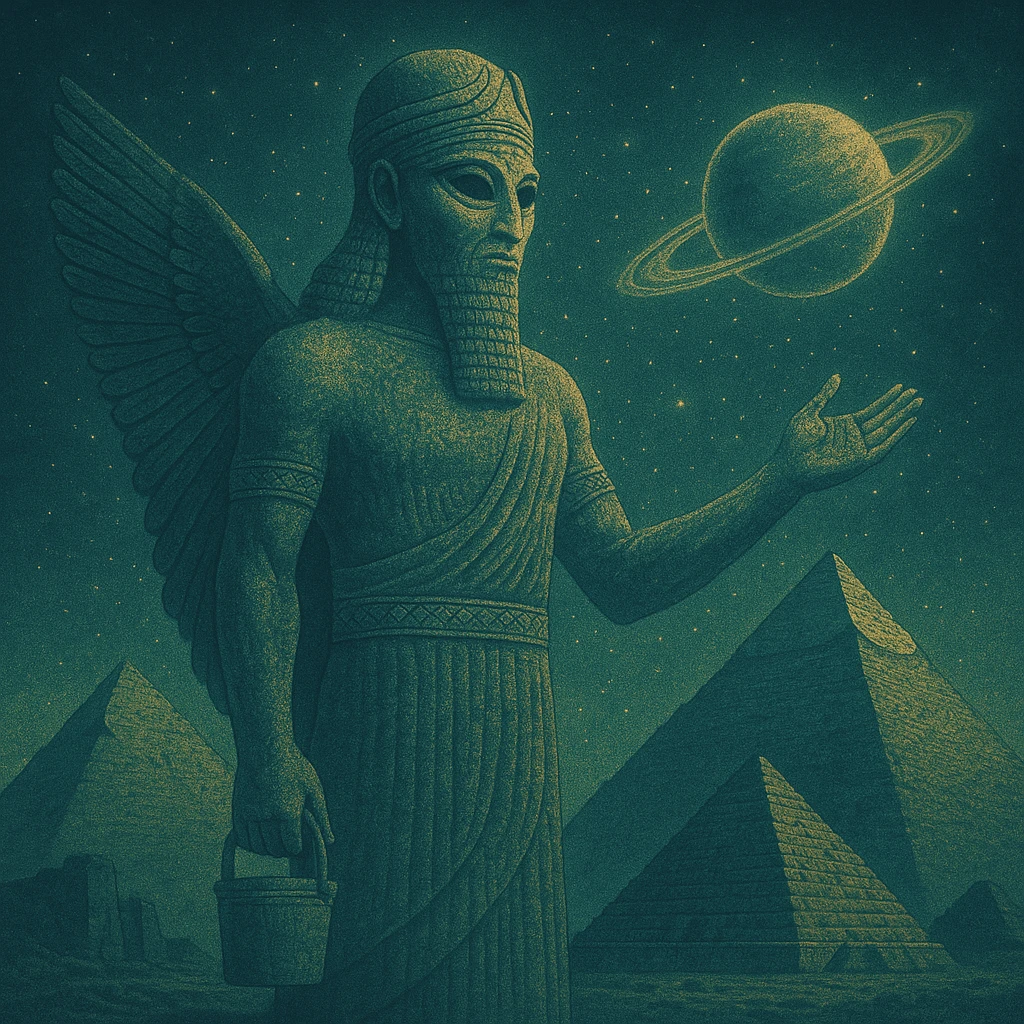
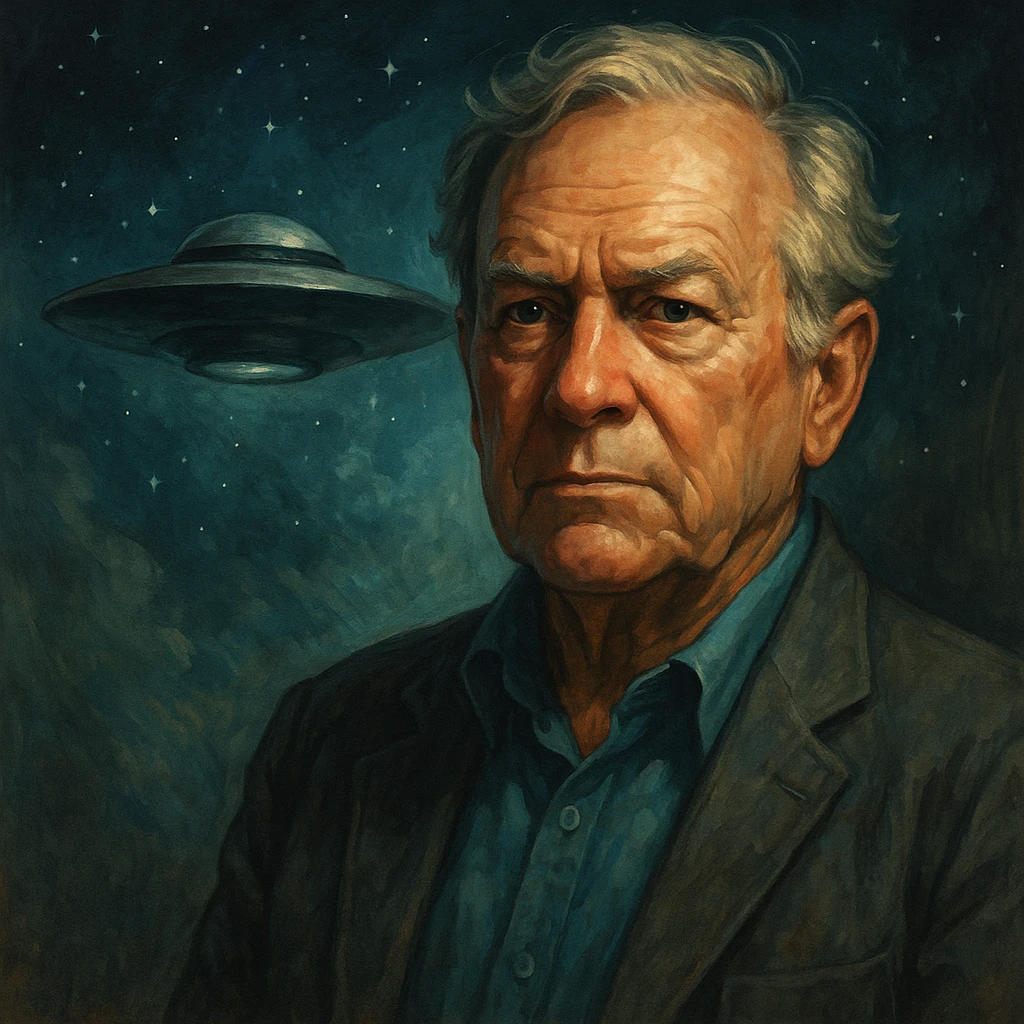
In the 1970s, author Zecharia Sitchin introduced millions of readers to the idea of Nibiru through his book The 12th Planet. Interpreting ancient Mesopotamian texts in an unconventional way, Sitchin proposed that Nibiru followed a 3,600-year orbit around the Sun and was home to the Anunnaki, an advanced civilization that had visited Earth in the distant past. His ideas became enormously influential within ancient astronaut theories, although historians and Assyriologists generally reject his translations of the original cuneiform texts.
The 2012 Apocalypse Scare
During the early 2000s, internet rumors transformed Nibiru from an obscure fringe theory into a global doomsday prediction. Websites and videos claimed the hidden planet was on a collision course with Earth, often linking the story to interpretations of the 2012 Mayan calendar. Scientists, including NASA, repeatedly explained that no such object was approaching our planet, and the predicted catastrophe passed without incident. Even so, the Nibiru story remains one of the internet's most enduring modern myths.
Planet Nine and Modern Astronomy
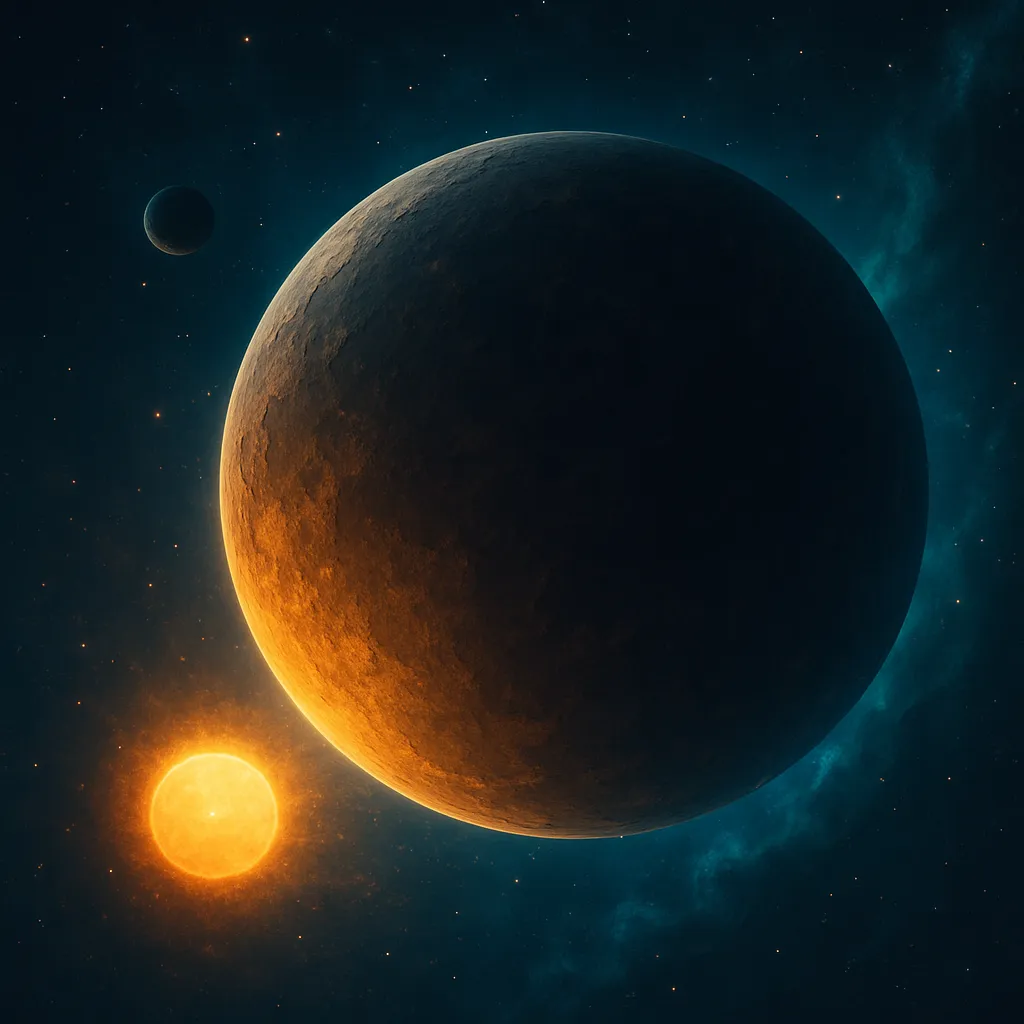
Interest in a distant outer planet returned in 2016 when astronomers Konstantin Batygin and Michael Brown of Caltech presented evidence suggesting the existence of a large, undiscovered world far beyond Neptune. Known as Planet Nine, the proposed planet could explain unusual clustering in the orbits of several distant icy objects. Unlike Sitchin's Nibiru, Planet Nine is a scientific hypothesis based on orbital observations rather than ancient mythology, and astronomers continue searching for direct evidence of its existence.
Ancient Lore or Modern Interpretation?
Supporters of ancient astronaut theories argue that stories of Nibiru preserve genuine knowledge passed down from advanced visitors or forgotten civilizations. Critics counter that these claims rely on speculative interpretations rather than accepted translations of ancient texts. The debate highlights how easily archaeology, mythology, astronomy, and popular imagination can become intertwined when exploring humanity's oldest mysteries.
Science Meets Speculation
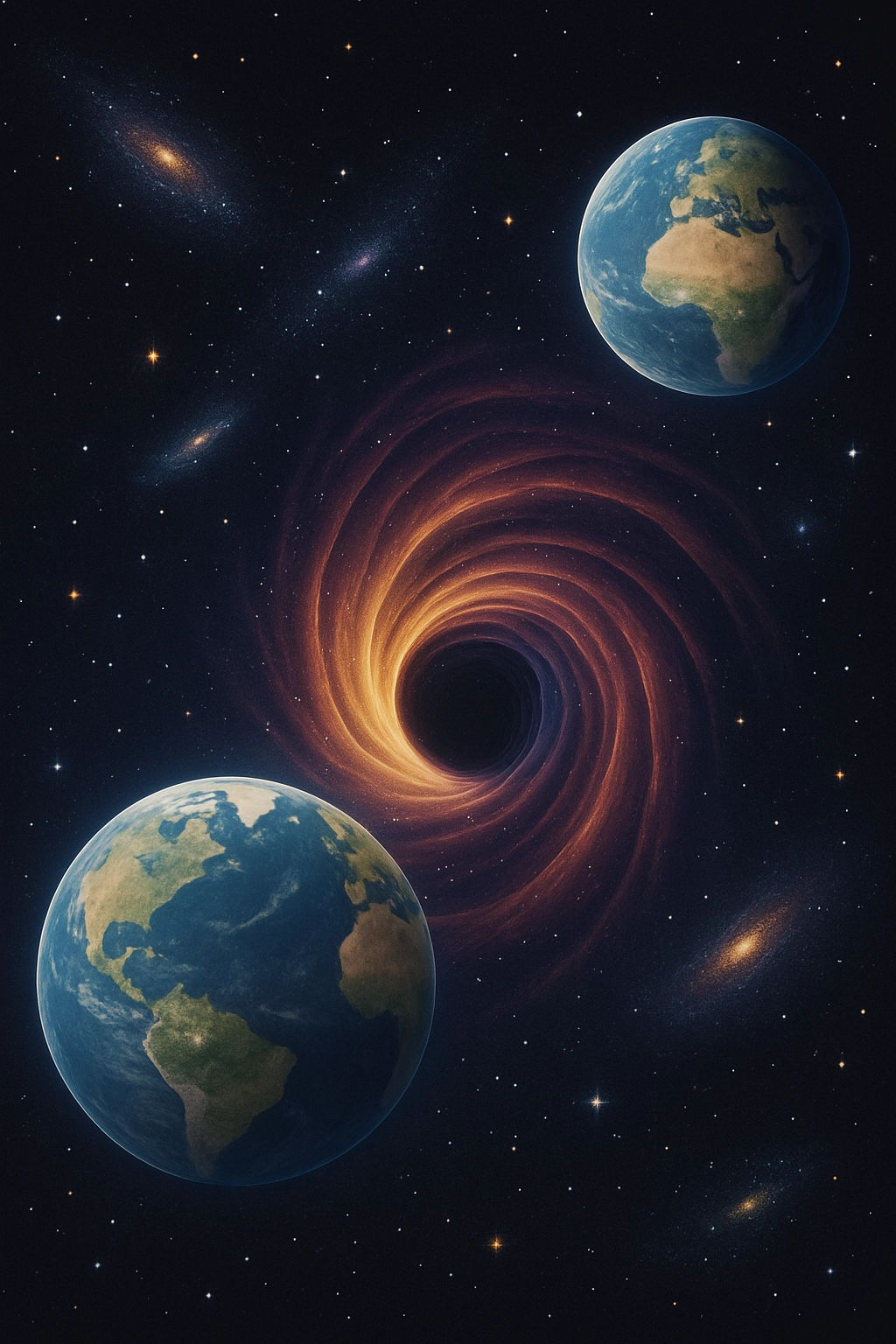
Planet X occupies a unique place where legitimate astronomical research meets modern folklore. While scientists continue investigating whether another large planet exists in the distant reaches of our solar system, there is no accepted scientific evidence connecting Planet Nine with Nibiru or with ancient prophecies. Distinguishing between scientific hypotheses and speculative claims helps explain why the mystery continues to fascinate both researchers and the public.
A Planet That Entered Popular Culture
Planet X and Nibiru have become familiar names in books, documentaries, films, television programs, podcasts, and online discussions. They are frequently associated with ancient aliens, secret government knowledge, lost civilizations, and apocalyptic predictions. Even people with little interest in astronomy often recognize the name Nibiru, demonstrating how a speculative idea can evolve into a lasting cultural phenomenon.
Looking Beyond the Known
Whether Planet X ultimately proves to be a real undiscovered world or remains a symbol of humanity's curiosity, its story continues to inspire exploration. Skygaze examines Planet X and Nibiru not as established fact, but as a fascinating intersection of science, mythology, history, and imagination, reminding us that some of our greatest discoveries have begun with a simple question: what else is waiting beyond the edge of the known?