
Earth's Magnetic North is Shifting
Early Observations and Growing Curiosity
For centuries, explorers and scientists noticed that the North magnetic pole wasn't fixed. In the 19th century, as Arctic expeditions became more precise, records began to show the pole was slowly wandering-first mapped by James Clark Ross in 1831, and later tracked by successive expeditions.
A Surge in Speed
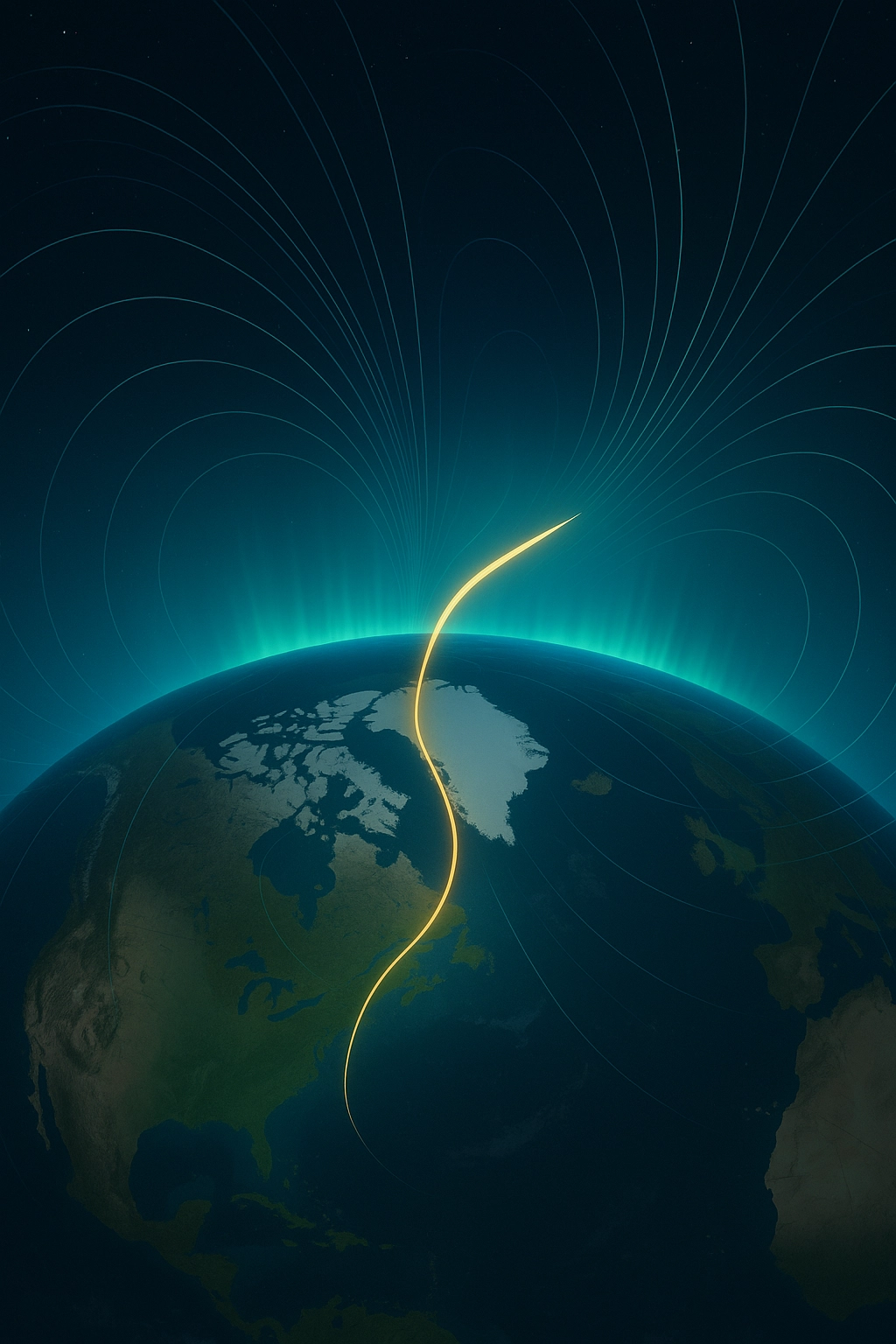
Since the late 1990s, Earth's magnetic north pole has started drifting faster than at any time in recorded history. It's moving from the Canadian Arctic toward Siberia at a rate of over 30 miles per year. Scientists aren't sure why the shift has accelerated, but it's thrown off navigation systems and forced updates to global magnetic models used by ships, aircraft, and even your smartphone.
- Unexpected Acceleration: For most of the 20th century, the pole crept along at under 10 miles per year. Now, it's racing ahead more than three times faster than before.
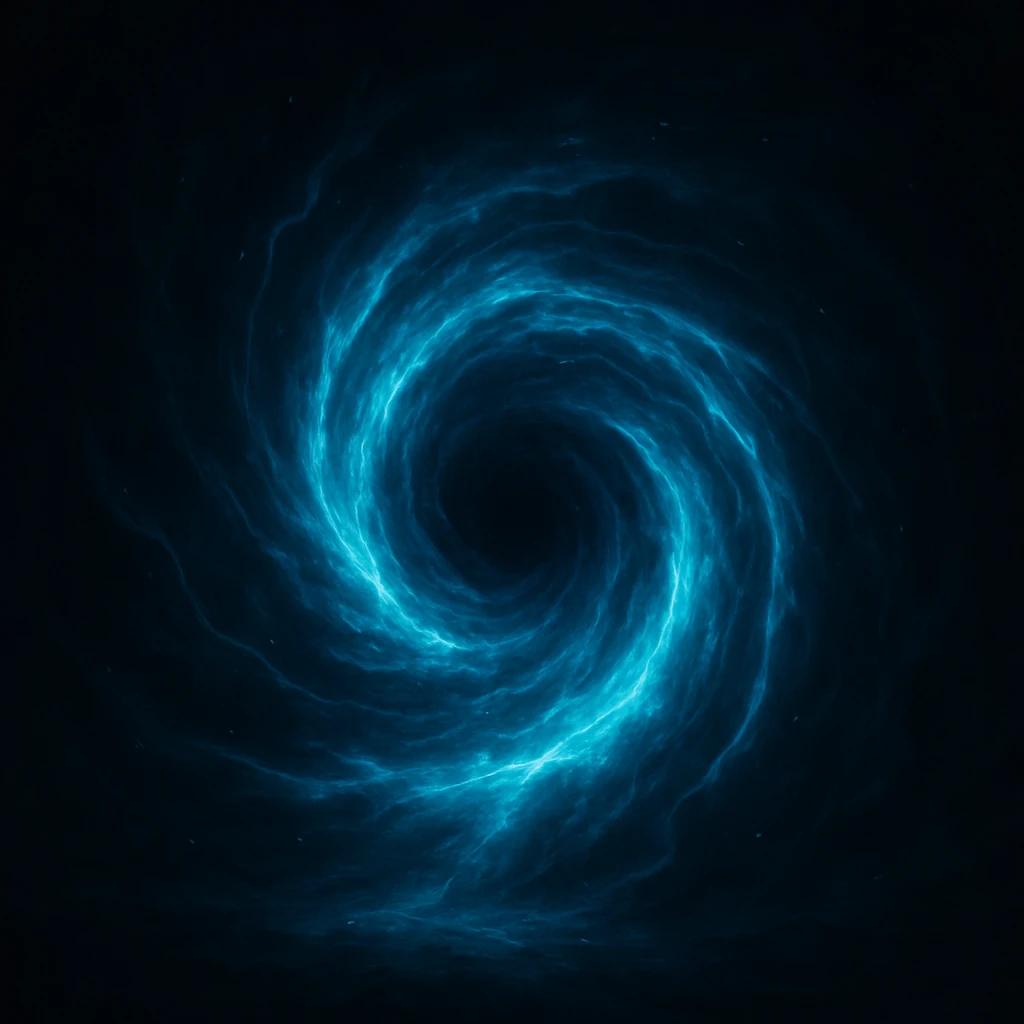
- Deep Core Mystery: The acceleration is likely tied to strange flows and swirling turbulence in Earth's molten iron core-one of the most mysterious and least accessible parts of our planet.
- Navigation Impact: Rapid pole movement has forced urgent updates to navigation charts used by airports, ships, and the military. Some airports have even had to rename runways to match new compass headings.
- Everyday Technology: Smartphones and digital maps rely on magnetic models for orientation. Sudden pole shifts have required tech companies to push out software updates so users don't get lost.
- Wider Consequences: If the pole keeps speeding up-or if Earth's magnetic field begins a reversal-global navigation, wildlife migration, and even satellite communications could be disrupted.
Unusual Effects on Navigation and Nature
The fast-moving pole has caused airports to renumber runways, and animal migration patterns to shift in subtle but measurable ways. Some researchers wonder if whales and birds-who navigate by Earth's magnetic field-may be struggling to adapt. Even auroras have shifted further south than usual, as the magnetic field lines are redrawn.
The Scientific Mystery Deepens
What's driving this sudden change? Most scientists point to complex flows of molten iron deep in Earth's core. But no one knows exactly why the movement sped up so dramatically. Some theorize it could be a prelude to a full magnetic pole reversal-a rare event that's happened many times in Earth's past, but never in recorded human history.
- Hidden Forces: Earth's magnetic field is generated by massive currents of liquid metal swirling nearly 2000 miles beneath our feet. These movements are invisible, unpredictable, and almost impossible to measure directly.
- Unsolved Questions: While researchers can model the core with computers, the exact process that caused the pole's recent speed-up is still unknown. Small changes deep in the planet can have big effects on the surface.
- Signs of Reversal? Some experts wonder if the shifting pole is a sign that Earth's magnetic field is preparing for a total flip, where north becomes south and vice versa. This has happened dozens of times over millions of years.
- No Human Experience: Although reversals are part of Earth's natural cycle, none have occurred since humans began recording history. Scientists can only guess what the impact would be on modern technology and life.
- Mystery Continues: As satellites and supercomputers improve, new data may one day reveal why our planet's magnetic field is acting so strangely-but for now, it remains one of Earth's great unsolved mysteries.
Legends, Lore, and Wild Theories
Magnetic pole shifts have long fascinated not just scientists, but also mystics and conspiracy theorists. Some ancient myths describe the "sky turning upside down," while modern doomsday prophets link rapid pole movements to apocalyptic predictions. The truth, as always, remains stranger than fiction.
The Skygaze Angle
Earth's shifting magnetic north remains one of our planet's great unsolved riddles. Whether you're a skeptic, a scientist, or a sky-watcher, the wandering pole is a reminder of how much we still have to learn-and how the world we take for granted can change in surprising ways.