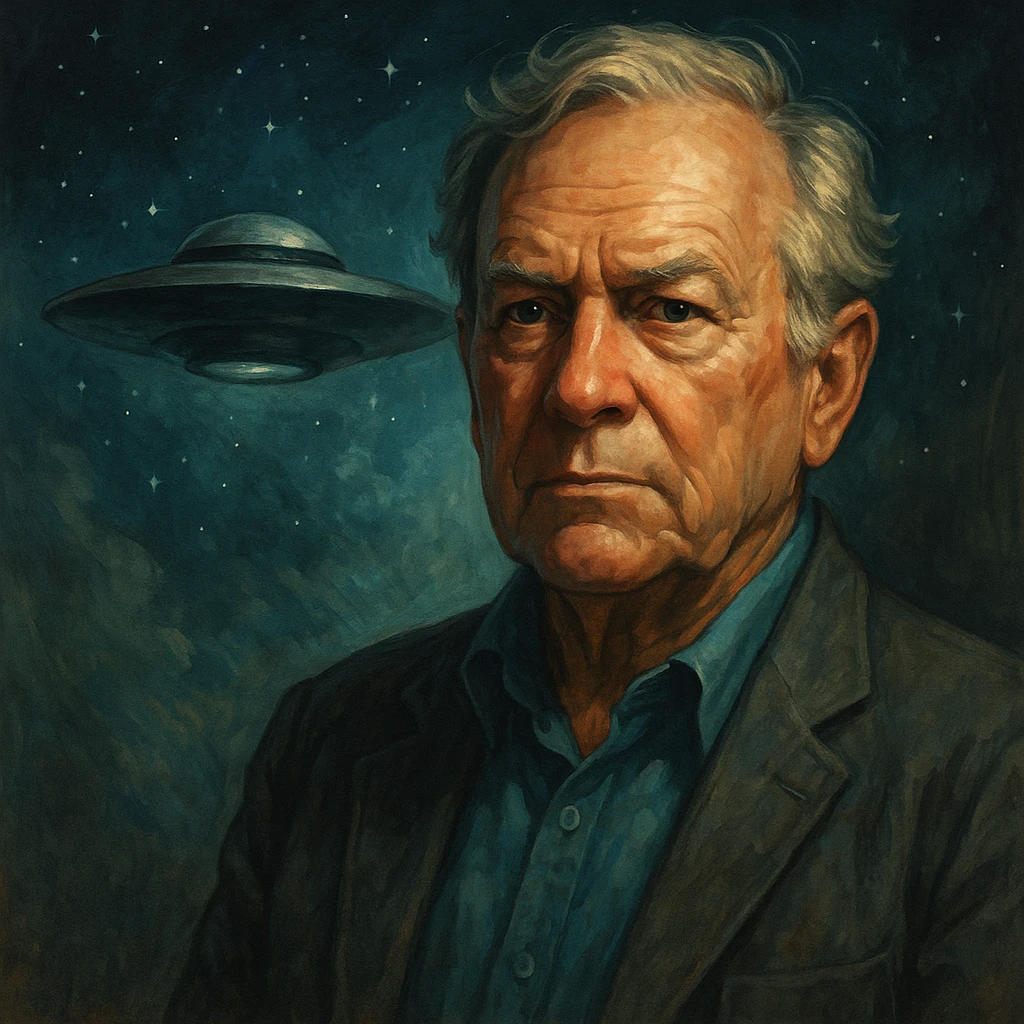

John Lear: Pilot, UFO Claims and Area 51
Pilot of the Paranormal
Skygaze explores the life, aviation career, controversial UFO claims, and lasting influence of one of the most talked-about figures in modern UFO history.
A Pilot Unlike Any Other
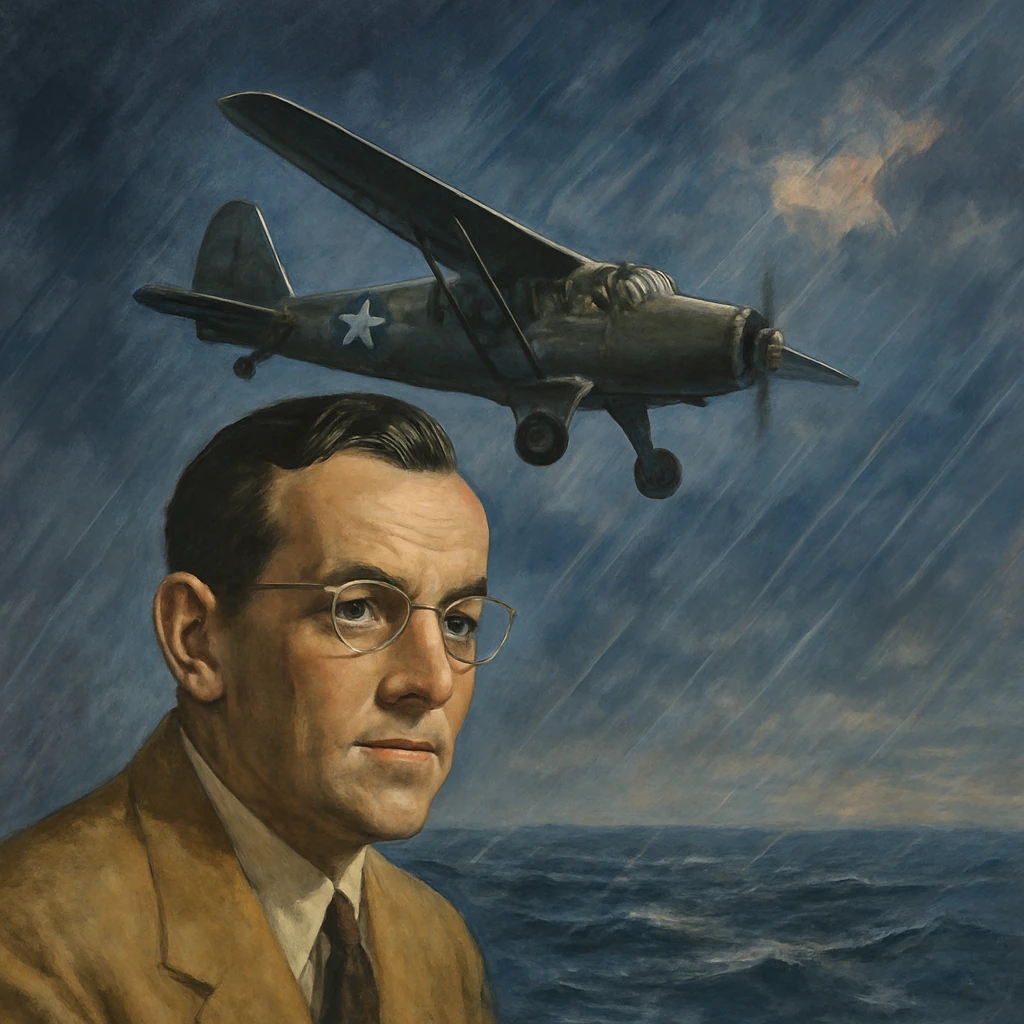
John Lear was the son of aviation pioneer Bill Lear, inventor of the Learjet, and built an impressive aviation career long before becoming one of the most recognizable names in UFO research. As an accomplished pilot, he flew numerous aircraft around the world and earned a reputation for skill, experience, and adventure.
In the late 1980s, however, Lear became widely known for a very different reason. He publicly claimed that governments were concealing extraordinary information about extraterrestrial life, underground military facilities, alien technology, secret treaties, and hidden structures on the Moon and Mars. These assertions transformed him from respected aviator into one of the most controversial figures in the UFO community.
To supporters, John Lear was a courageous whistleblower willing to risk his reputation in pursuit of the truth. To critics, his extraordinary claims were unsupported by verifiable evidence and often blended speculation with fact. Regardless of where one stands, his influence on modern UFO culture, Area 51 lore, and conspiracy research remains difficult to ignore.
From Aviation to Anomalies
Before becoming a controversial figure in UFO research, John Lear had already built an extraordinary aviation career. He flew more than 150 different types of aircraft, held multiple speed records, and worked as a commercial, corporate, and charter pilot around the world. His experience earned him respect within aviation circles long before he became associated with extraordinary claims.
Everything changed in the late 1980s when Lear began publicly discussing what he believed were hidden government secrets involving extraterrestrial life, Area 51, reverse-engineered alien technology, underground military facilities, and classified aerospace projects. Drawing on conversations with military personnel, intelligence sources, and other insiders, he argued that the public had been deliberately kept in the dark for decades.
His aviation background gave his claims an unusual level of attention. To supporters, he was an experienced pilot speaking from privileged knowledge. To critics, professional credentials did not substitute for verifiable evidence. Regardless, John Lear's transition from respected aviator to one of the UFO community's most recognizable voices would define the remainder of his public life.
Theories That Shook the Underground
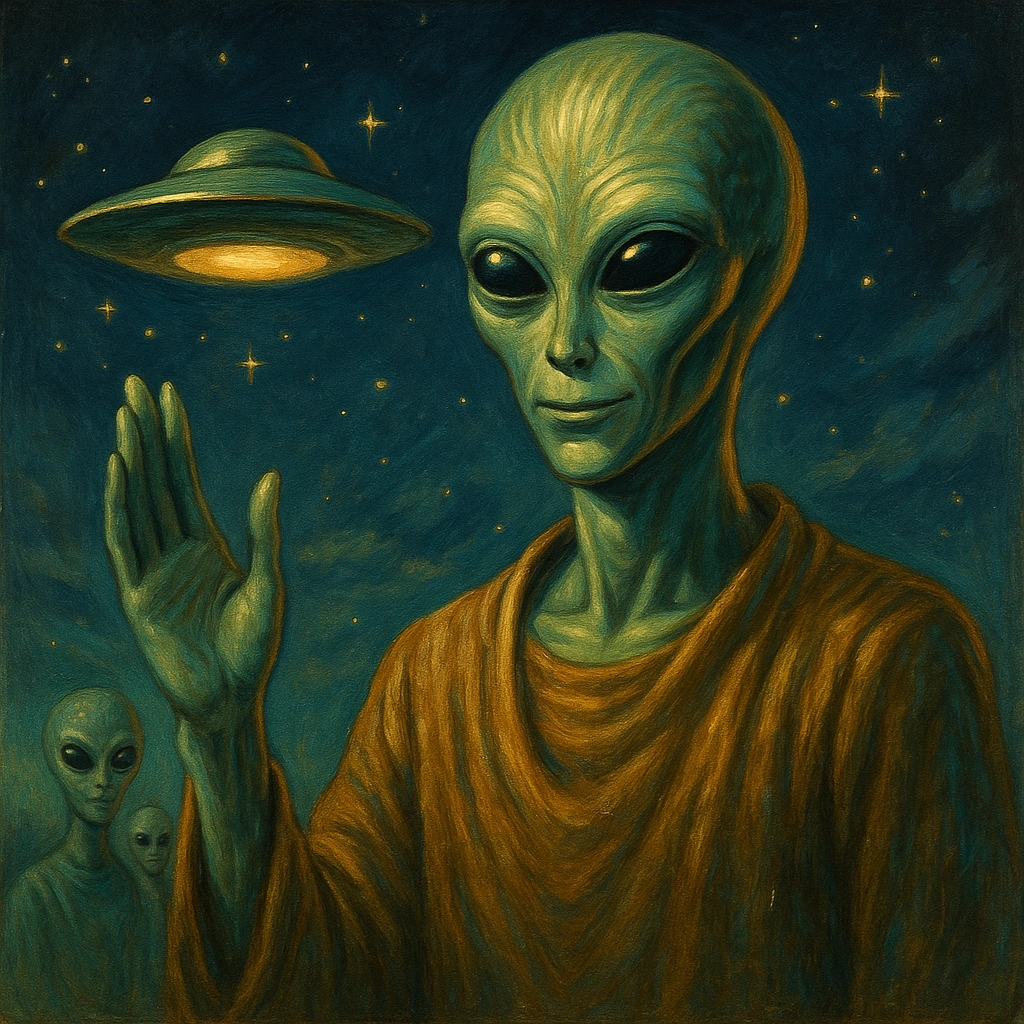
John Lear became widely known for promoting a series of extraordinary claims that dramatically expanded modern UFO lore. According to Lear, governments around the world possessed extensive knowledge of extraterrestrial civilizations and had concealed that information from the public for decades. He argued that the secrecy extended far beyond flying saucers, encompassing hidden technology, classified military programs, and contact with non-human intelligences.
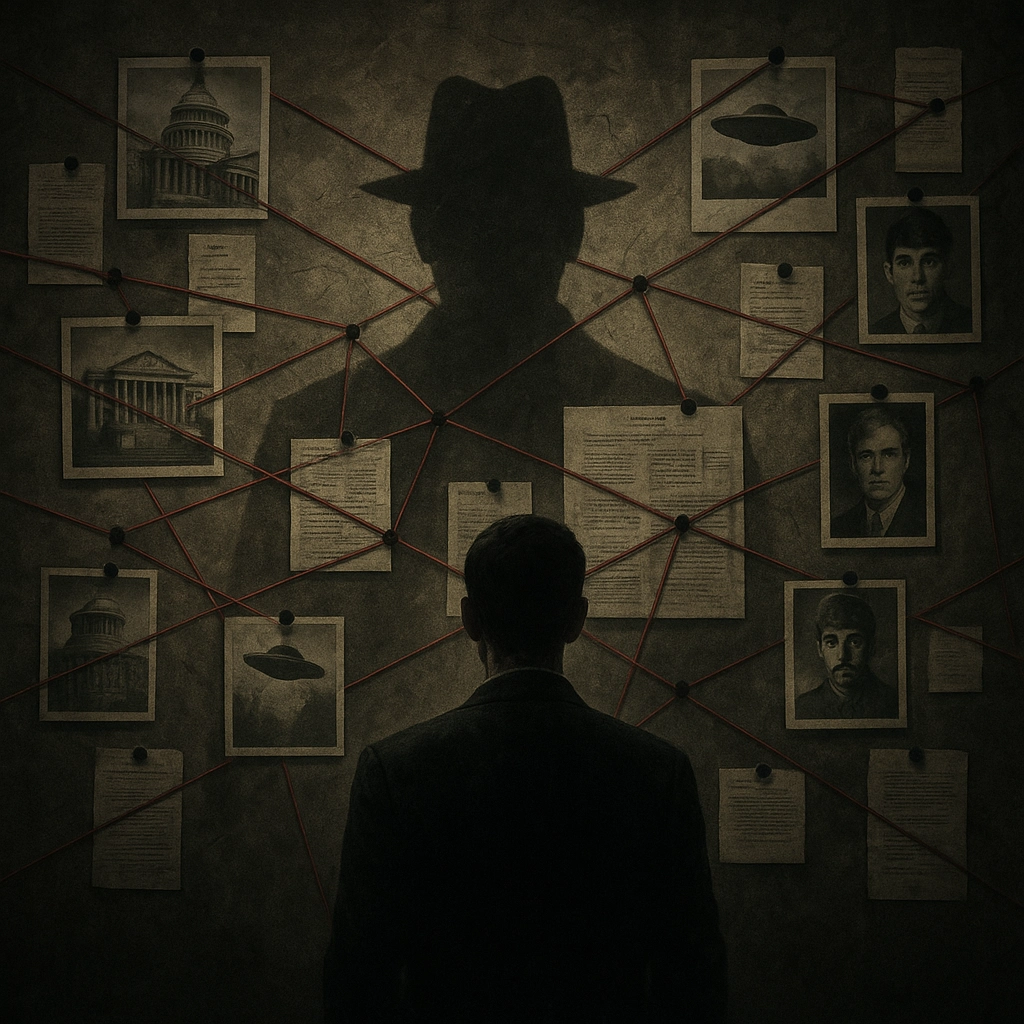
Among his most controversial assertions were claims that the United States had entered into secret agreements with extraterrestrial beings, that underground facilities near Area 51 housed advanced alien technology, and that artificial structures existed on both the Moon and Mars. He also suggested that some reported alien abductions formed part of a much larger, hidden agenda involving cooperation between governments and extraterrestrial visitors.
Lear became one of the earliest and most vocal supporters of Bob Lazar, whose story of allegedly working at a secret facility known as S-4 near Area 51 brought international attention to the UFO disclosure movement. Their overlapping narratives helped cement Area 51 as one of the world's most enduring modern mysteries.
While none of these claims have been verified through publicly available evidence, they profoundly influenced UFO researchers, documentary filmmakers, authors, and countless online discussions. Many ideas now commonly associated with Area 51 and government secrecy can be traced, at least in part, to John Lear's interviews and public presentations.
Friend and Foe to the Truth
While many saw Lear as a brave insider revealing dark truths, others accused him of spreading disinformation or blending fact with fiction. His willingness to speculate beyond hard evidence made him a polarizing figure - even among fellow UFO researchers. Still, he maintained that full disclosure was being suppressed by intelligence agencies for reasons beyond public comprehension.
A Voice Goes Silent
John Lear died on March 29, 2022, at the age of 79, bringing to a close one of the most influential and controversial careers in modern UFO history. Over several decades, he participated in countless interviews, lectures, radio programs, and public discussions, becoming a familiar voice to audiences interested in unexplained phenomena and government secrecy.
Although many of his predictions and extraordinary claims remain unverified, his impact on UFO culture is undeniable. His interviews, essays, and appearances on programs such as Coast to Coast AM introduced millions of listeners to ideas involving Area 51, extraterrestrial technology, underground facilities, and government disclosure. Whether viewed as a visionary or a controversial storyteller, John Lear helped shape many of the discussions that continue today.
Even after his passing, his work remains widely shared through books, documentaries, podcasts, online videos, and discussion forums. For believers, he was a courageous insider who challenged official narratives. For skeptics, he serves as a reminder that extraordinary claims require extraordinary evidence. Either way, John Lear's legacy continues to spark curiosity, debate, and exploration of one of humanity's greatest mysteries: are we truly alone?
Between Sky and Shadows
John Lear's story defies easy conclusions. To some, he was a fearless whistleblower who revealed uncomfortable truths about extraterrestrial life, government secrecy, and hidden technology. To others, he was an imaginative storyteller whose extraordinary claims lacked convincing evidence. Decades after he first spoke publicly, opinions about him remain as divided as ever.
What is beyond dispute is his influence. Lear helped transform UFO discussions from a niche interest into a topic that reached radio shows, documentaries, books, podcasts, and eventually millions of conversations online. His ideas shaped the mythology surrounding Area 51, inspired generations of researchers, and continue to fuel debates about what governments may - or may not - know.
Whether history ultimately remembers John Lear as a visionary, a provocateur, or simply a man who dared to ask uncomfortable questions, his place in modern UFO culture is secure. Skygaze invites you to explore the evidence, consider the possibilities, and decide for yourself where curiosity ends and belief begins.