
Joseph Stalin: Rule, Terror and Legacy
Death, Secrets, and Silence
Skygaze explores the rise, rule, mysterious final days, and enduring legacy of one of the twentieth century's most feared and influential leaders.
The Man of Steel
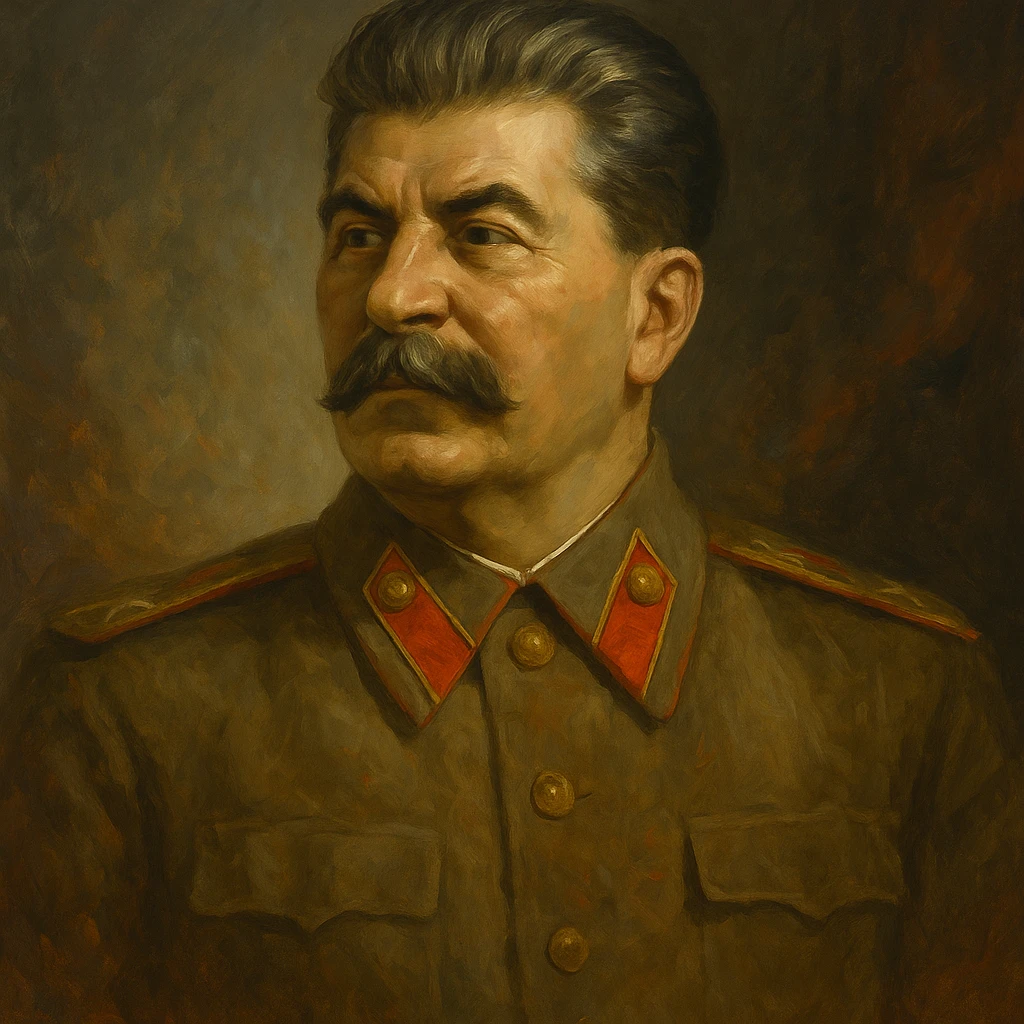
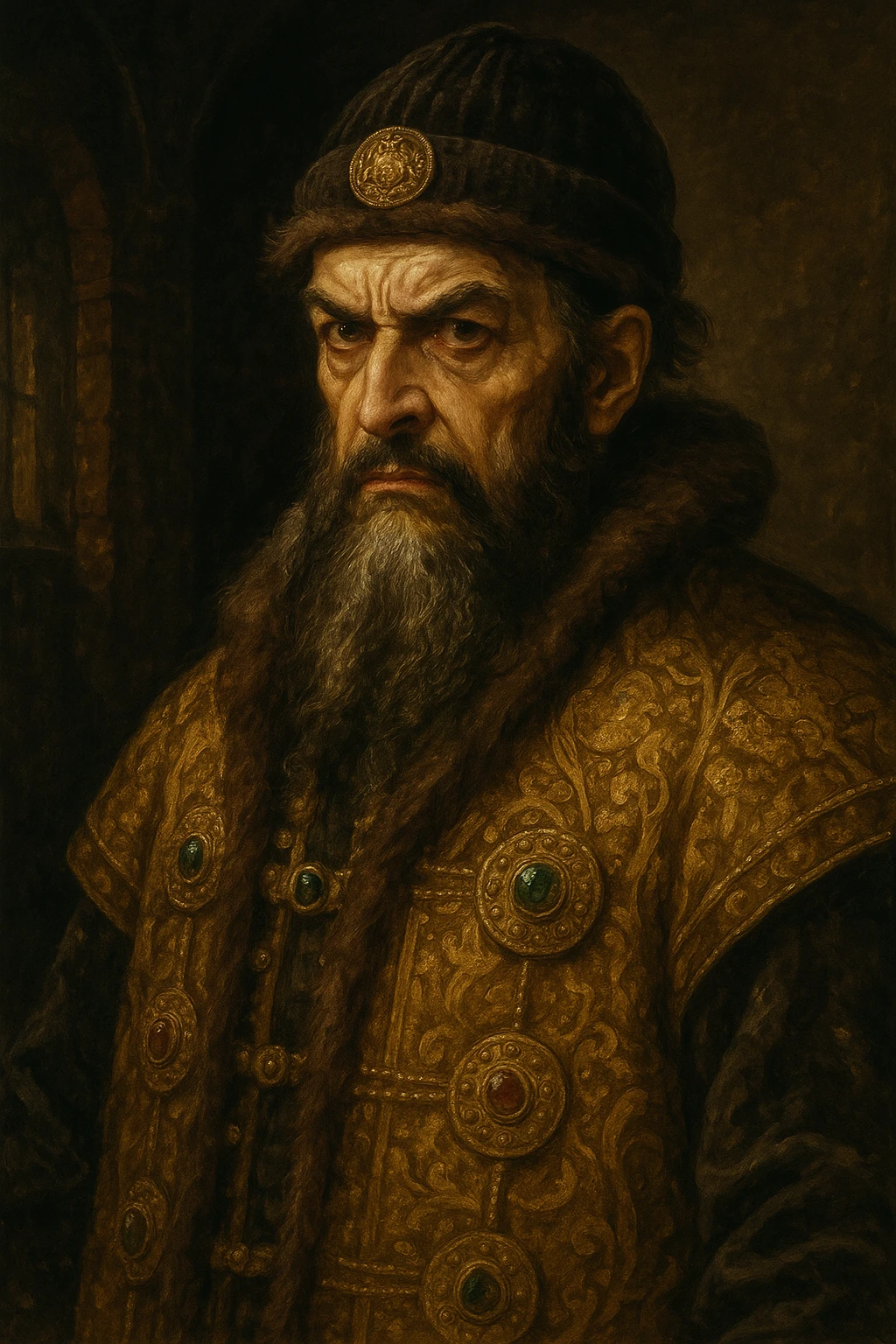
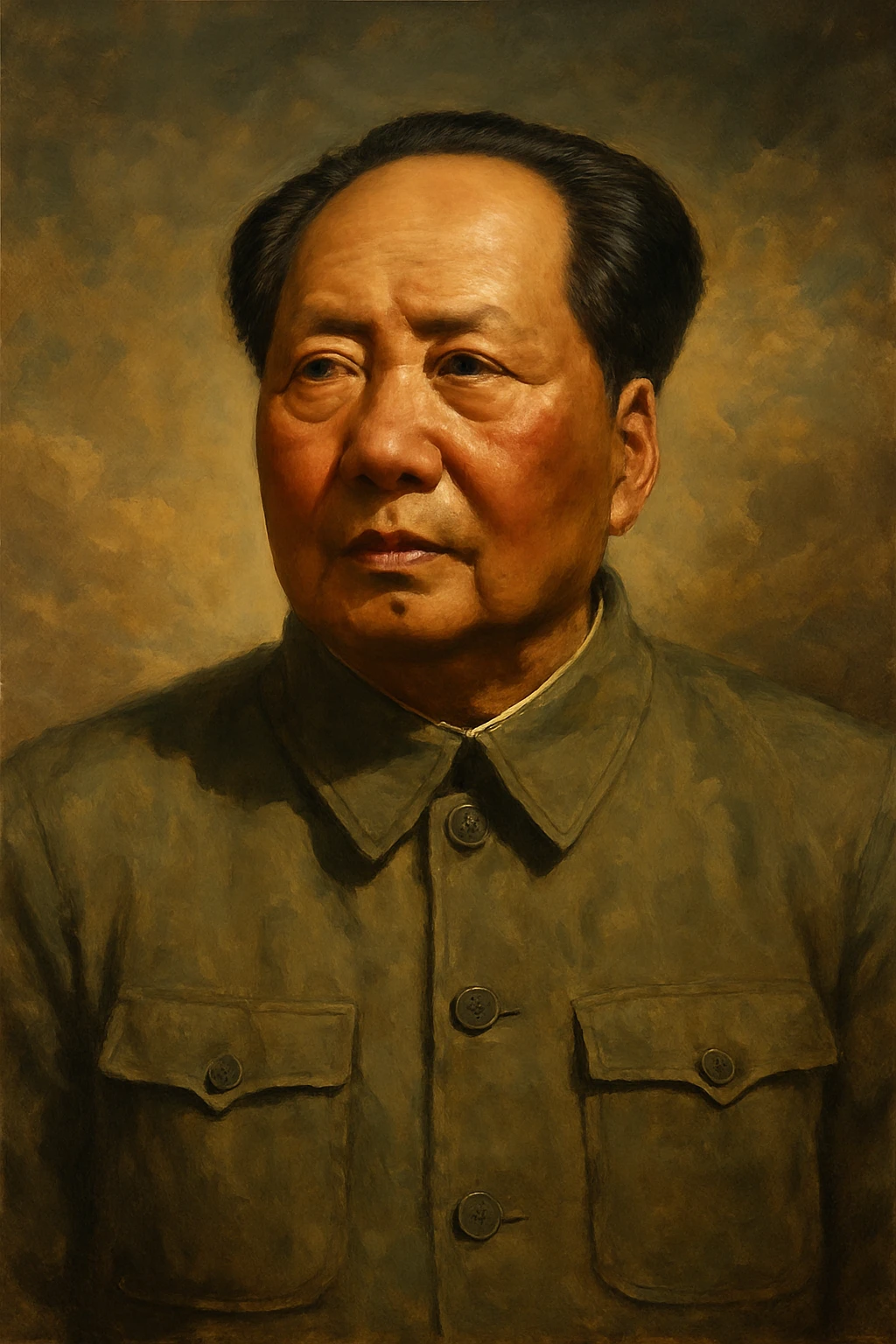
Joseph Stalin was one of the most powerful and controversial political leaders in modern history. Rising from humble beginnings in Georgia, then part of the Russian Empire, he transformed himself into the dominant figure of the Soviet Union, ruling with near-absolute authority for almost three decades. Under his leadership, the USSR emerged as a global superpower, yet millions of people also suffered through political purges, forced labor, famine, and repression.
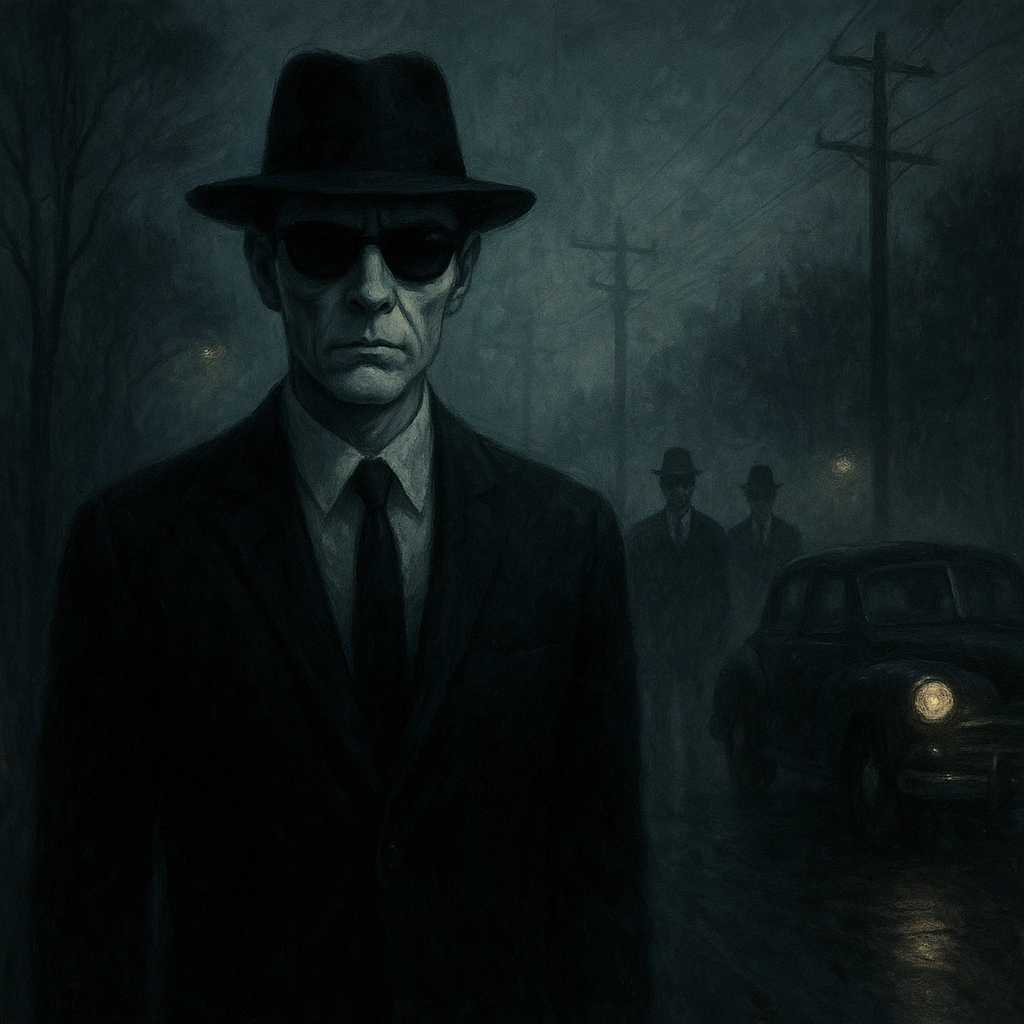
Stalin carefully cultivated an image of strength and unquestioned authority while building a state founded on surveillance, censorship, and fear. Those who opposed him-or were merely suspected of doing so-often disappeared into prisons, labor camps, or execution chambers. Loyalty to the state became inseparable from loyalty to Stalin himself.
When he suddenly died in March 1953, the official explanation was a stroke. Yet the circumstances surrounding his final hours, including the delayed medical response and the actions of those closest to him, have fueled decades of speculation. Whether viewed as one of history's most ruthless dictators or the architect of Soviet power, Joseph Stalin's life and death continue to fascinate historians and provoke debate around the world.
Rule by Terror
During Stalin's rule, political power was maintained through an extensive system of surveillance, censorship, forced labor, and fear. Throughout the 1930s, the Great Purge targeted Communist Party officials, military leaders, intellectuals, religious figures, and countless ordinary citizens accused of disloyalty or imagined conspiracies. Many were imprisoned, exiled, or executed following secret trials and coerced confessions.
The Soviet Gulag system expanded dramatically under Stalin, holding millions of prisoners in remote labor camps where harsh conditions, disease, and starvation claimed countless lives. Entire communities lived under constant fear of arrest, knowing that accusations alone could destroy families and careers. Public criticism became virtually impossible as propaganda and state control shaped nearly every aspect of daily life.
Historians continue to debate the precise number of victims, but there is broad agreement that Stalin's policies resulted in the deaths and suffering of millions. His rule left a lasting legacy of political repression while simultaneously transforming the Soviet Union into a major industrial and military power, illustrating one of history's most complex and troubling contradictions.
A Suspicious Silence
On the evening of March 1, 1953, Joseph Stalin suffered what was later determined to be a severe stroke while staying at his private residence. According to official accounts, he remained lying on the floor for many hours before members of his inner circle finally summoned medical assistance. The unusually long delay has remained one of the most controversial aspects of his final hours.
Doctors eventually diagnosed a cerebral hemorrhage, but by the time treatment began, Stalin's condition had deteriorated beyond recovery. He died on March 5, 1953. The events surrounding those critical hours have fueled decades of speculation, particularly because several senior officials-including Lavrentiy Beria-were present during the succession crisis that immediately followed.
Some historians suggest fear played a significant role in the delayed response, as few individuals were willing to disturb Stalin without permission. Others have proposed theories ranging from deliberate neglect to political assassination. While no conclusive evidence has confirmed that Stalin was poisoned or intentionally left to die, the uncertainty surrounding his final days remains one of the enduring mysteries of Soviet history.
Lost Archives and Vanishing Records
Much of Stalin's rule operated behind a veil of secrecy. The Soviet security apparatus tightly controlled information, monitored citizens, censored publications, and classified countless government records. Many official documents remained inaccessible for decades, while others were reportedly altered, removed, or destroyed as political priorities changed.
Following Stalin's death, later Soviet leaders exposed some of the crimes committed during his rule, but many questions remained unanswered. Historians have since gained access to numerous archives, yet gaps in the historical record continue to exist. The full extent of certain political operations, intelligence activities, and internal decision-making may never be completely known.
Although many once-secret documents have now been released, others remain incomplete or disputed. As a result, Stalin's era continues to be studied by historians seeking to separate documented history from decades of propaganda, censorship, and speculation. The surviving archives reveal much about his rule-but they also remind us that some chapters of Soviet history remain frustratingly incomplete.
Questions That Remain
Stalin's final years were marked by growing suspicion and paranoia. He increasingly distrusted even his closest associates, believing that enemies and conspirators surrounded him. Historians widely agree that he was preparing another wave of political repression, although the full scope of his intentions remains uncertain.
The unusual circumstances surrounding his final illness have led to decades of speculation. Some researchers believe fear alone explains why those around him delayed seeking medical assistance. Others have suggested that members of the Soviet leadership may have seen political advantage in allowing events to unfold. While theories of deliberate neglect or assassination continue to circulate, no conclusive evidence has confirmed them.
What remains beyond dispute is that Stalin's death immediately altered the balance of power within the Soviet Union. His passing brought an end to one of history's most authoritarian regimes while leaving behind questions that continue to intrigue historians more than seventy years later.
The Ghost of Power
Joseph Stalin's legacy remains one of the most fiercely debated in modern history. To some, he was the leader who transformed the Soviet Union into an industrial and military superpower and guided it to victory during the Second World War. To others, he symbolizes political repression, widespread fear, forced labor, and the deaths of millions under state policies and purges.
Even today, opinions about Stalin differ sharply both within Russia and around the world. His image continues to appear in museums, documentaries, books, and political discussions, reflecting the lasting impact of his rule on global history and collective memory.
Beyond the politics lies a deeper question: how could one individual accumulate such extraordinary power over an entire nation? Skygaze invites readers to look beyond the myths, examine the historical record, and reflect on how authority, fear, and secrecy can shape the course of history for generations.