
Warp Drive: Science Fiction or Future Physics?
What Is a Warp Drive?
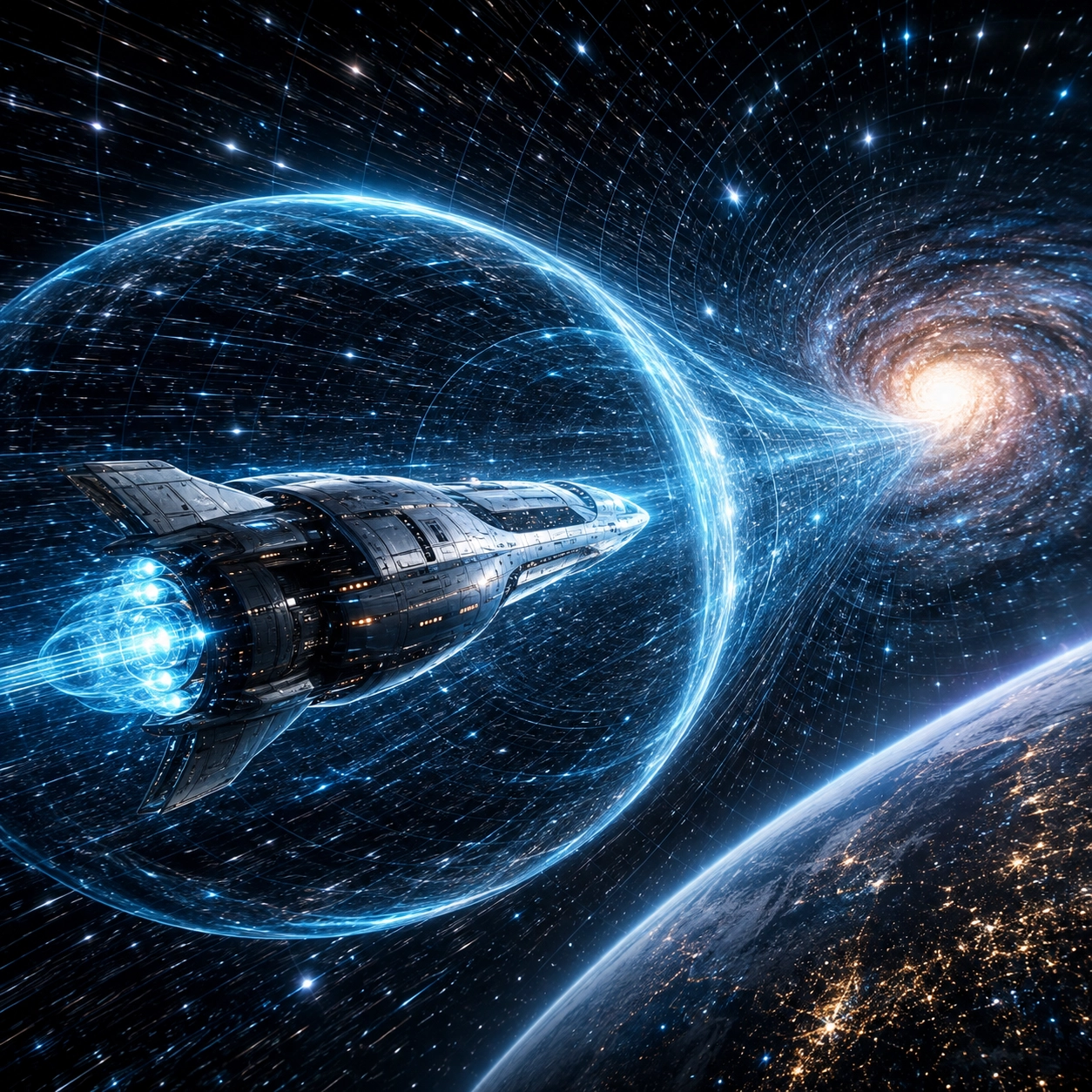
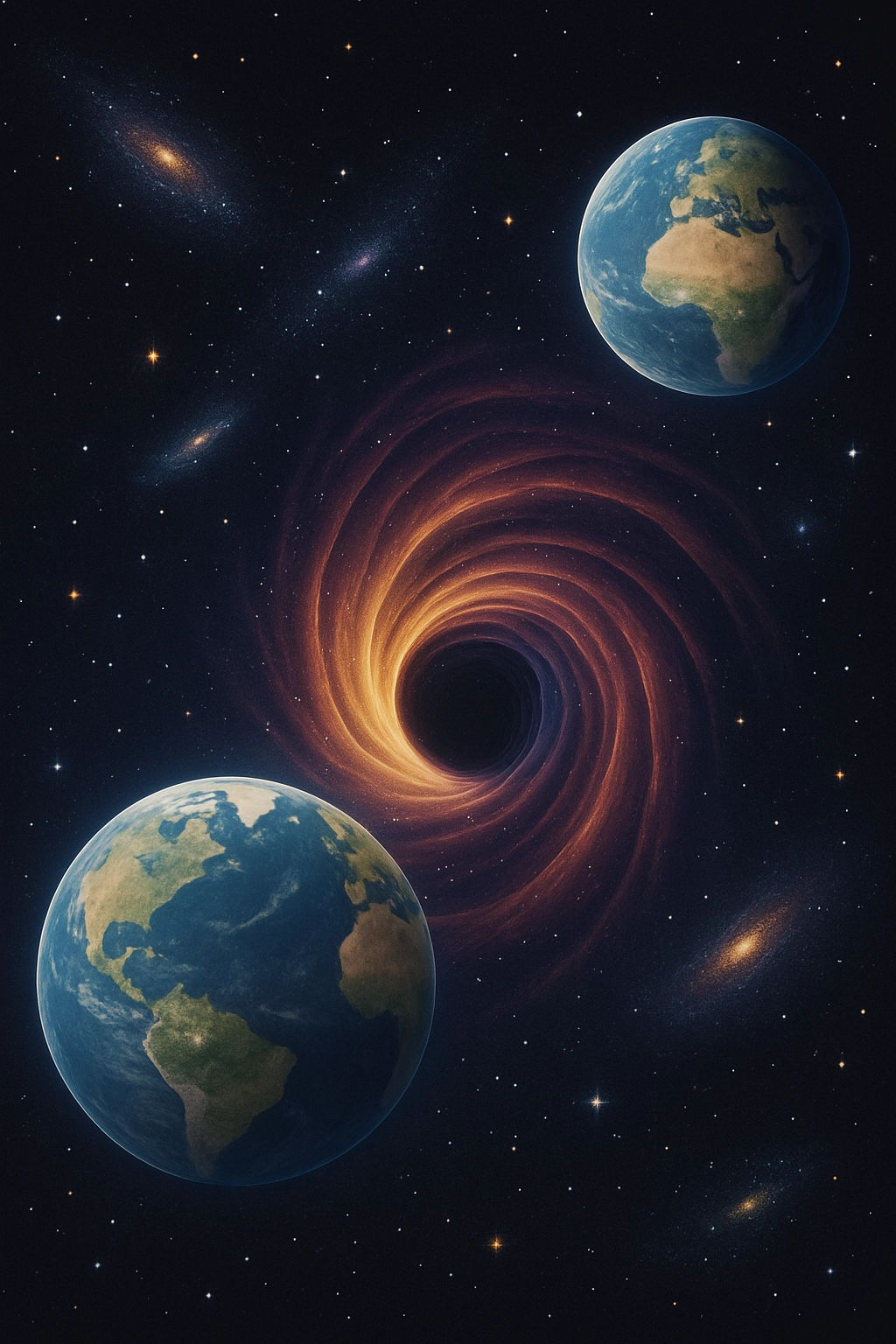
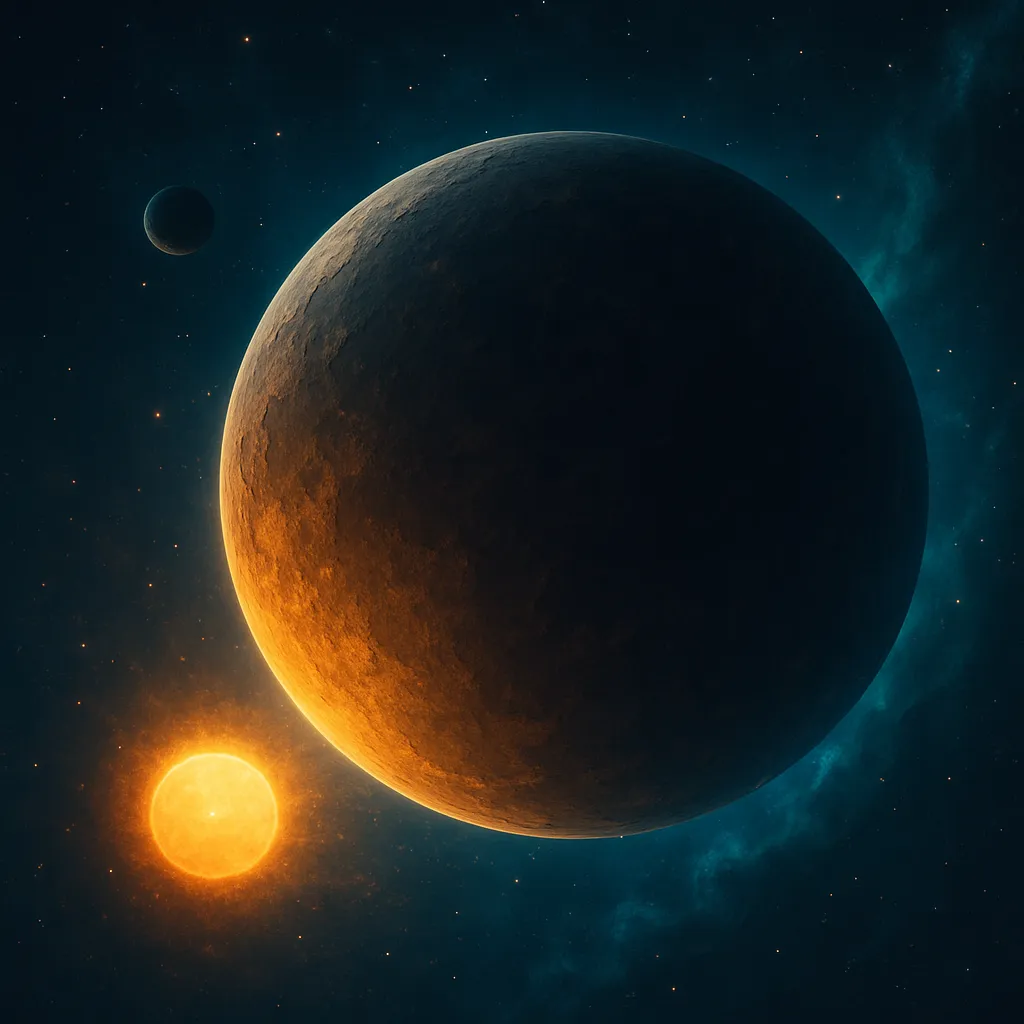
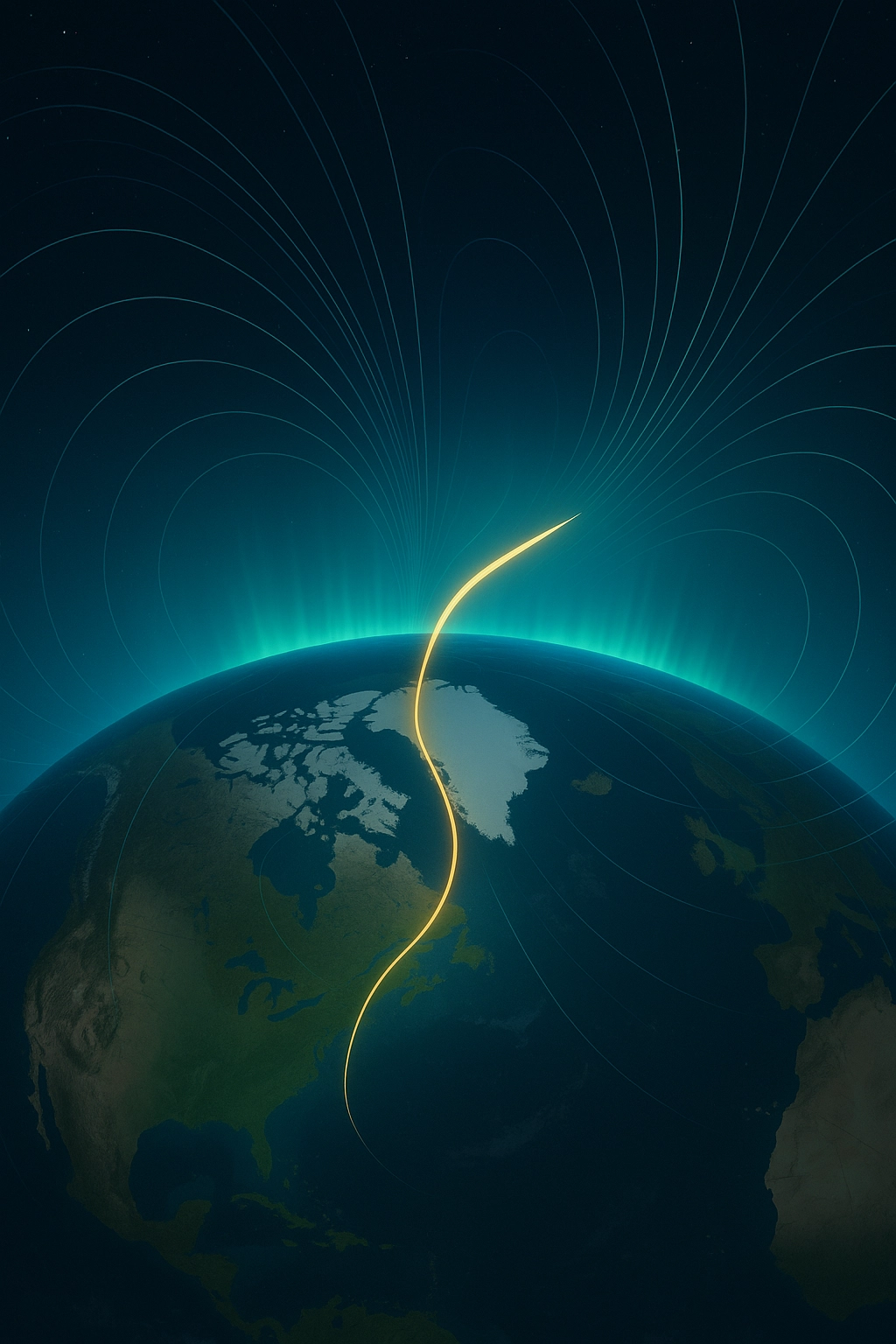
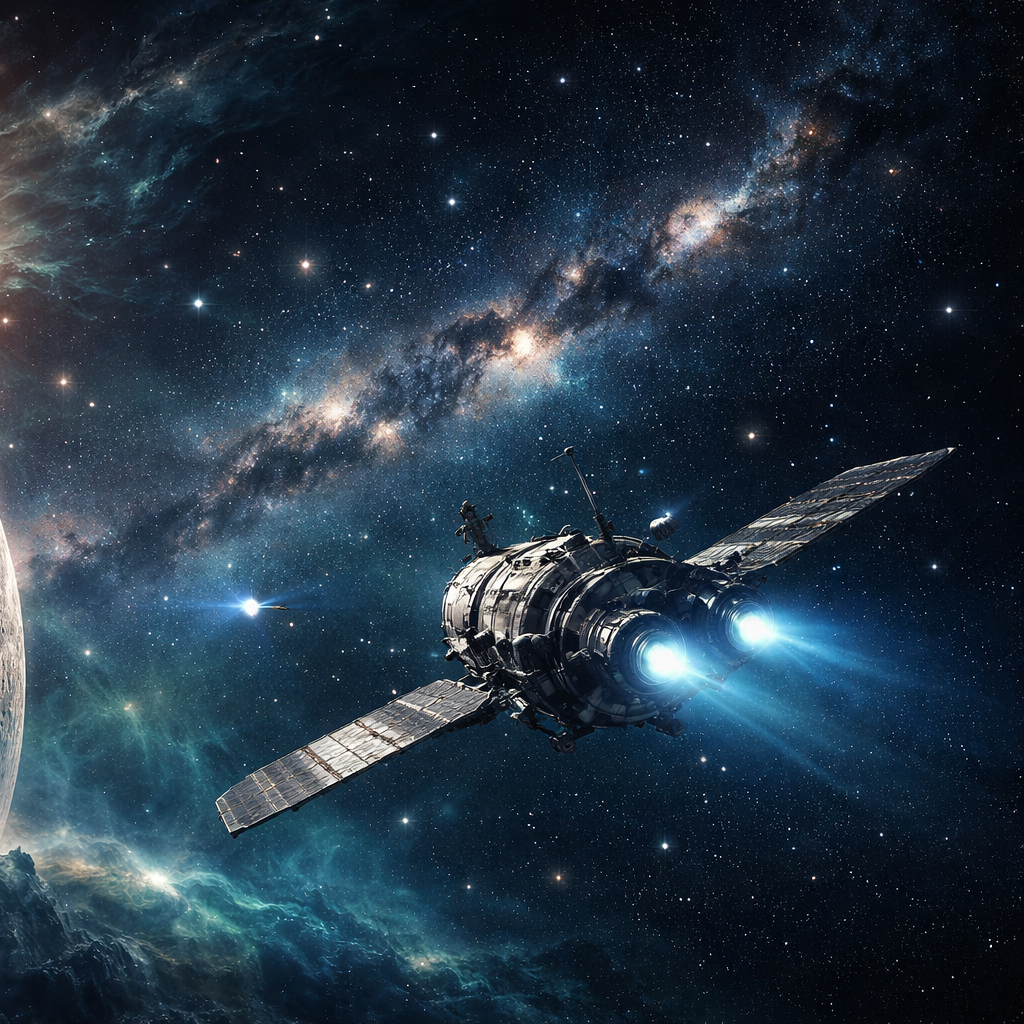
A warp drive is a theoretical form of propulsion that would move a spacecraft by altering the space around it rather than accelerating the craft through space in the ordinary way. In the most familiar version, space would contract in front of the vessel and expand behind it, carrying the craft inside a region often described as a warp bubble. To distant observers, the ship could appear to cross enormous distances faster than light, even though it would remain locally at rest within the surrounding bubble.
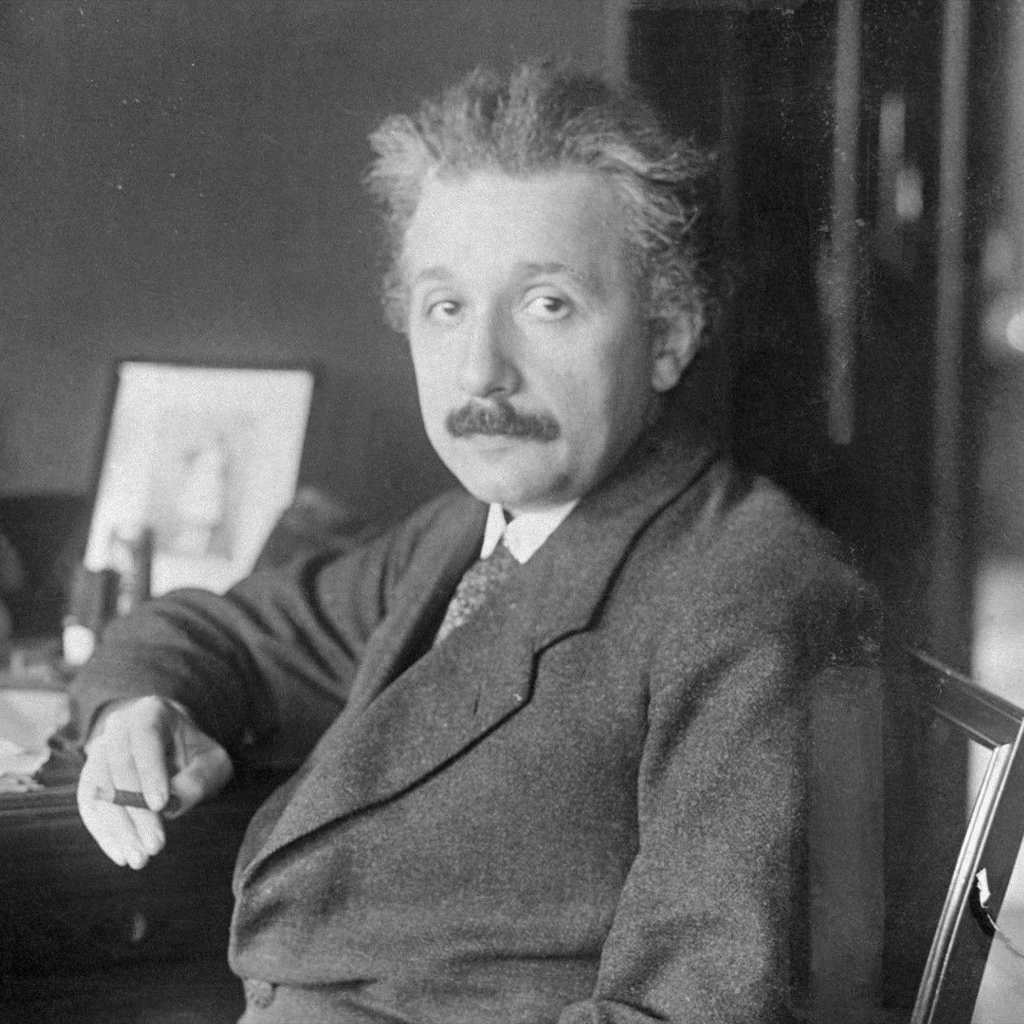
Einstein, Spacetime, and the Speed of Light
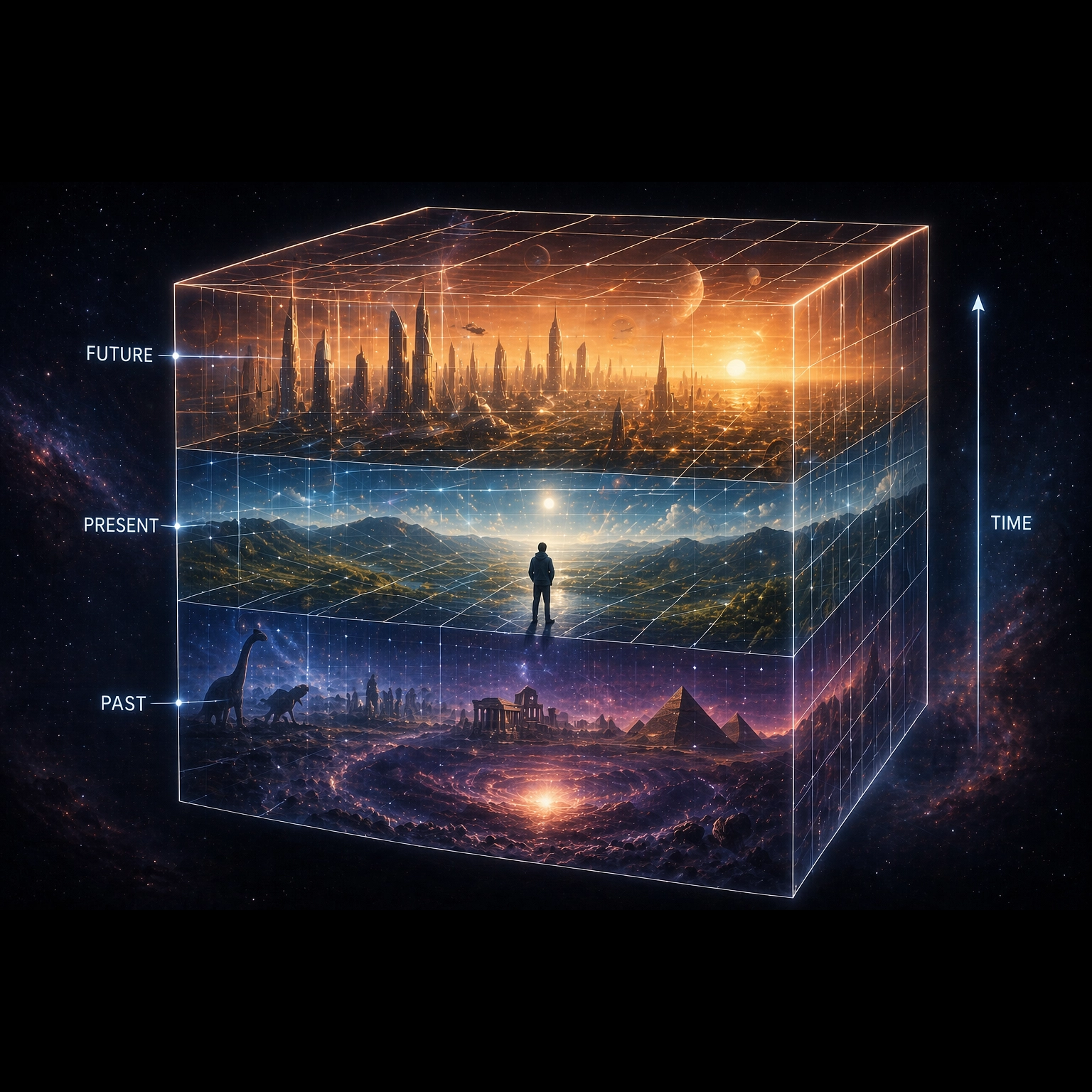
According to special relativity, an object with mass cannot simply accelerate through space beyond the speed of light. The energy required would increase dramatically as the object approached light speed, making ordinary faster-than-light travel appear impossible. General relativity, however, describes space and time as a flexible geometry that can curve, expand, and contract. The universe itself demonstrates this behaviour as cosmic expansion increases the distance between extremely remote regions without objects locally breaking the light-speed limit.
- Local Speed Limit: Matter and information cannot normally travel through nearby space faster than light.
- Curved Spacetime: Mass and energy distort the geometry of space and time, producing what we experience as gravity.
- Expanding Space: Distances can increase because space itself expands, rather than because objects race through it.
- The Warp Idea: A spacecraft might avoid directly breaking the speed limit if the surrounding geometry carried it forward.
- A Mathematical Possibility: General relativity allows unusual spacetime geometries on paper, but a valid equation does not guarantee that nature can physically create them.
The Alcubierre Warp Drive
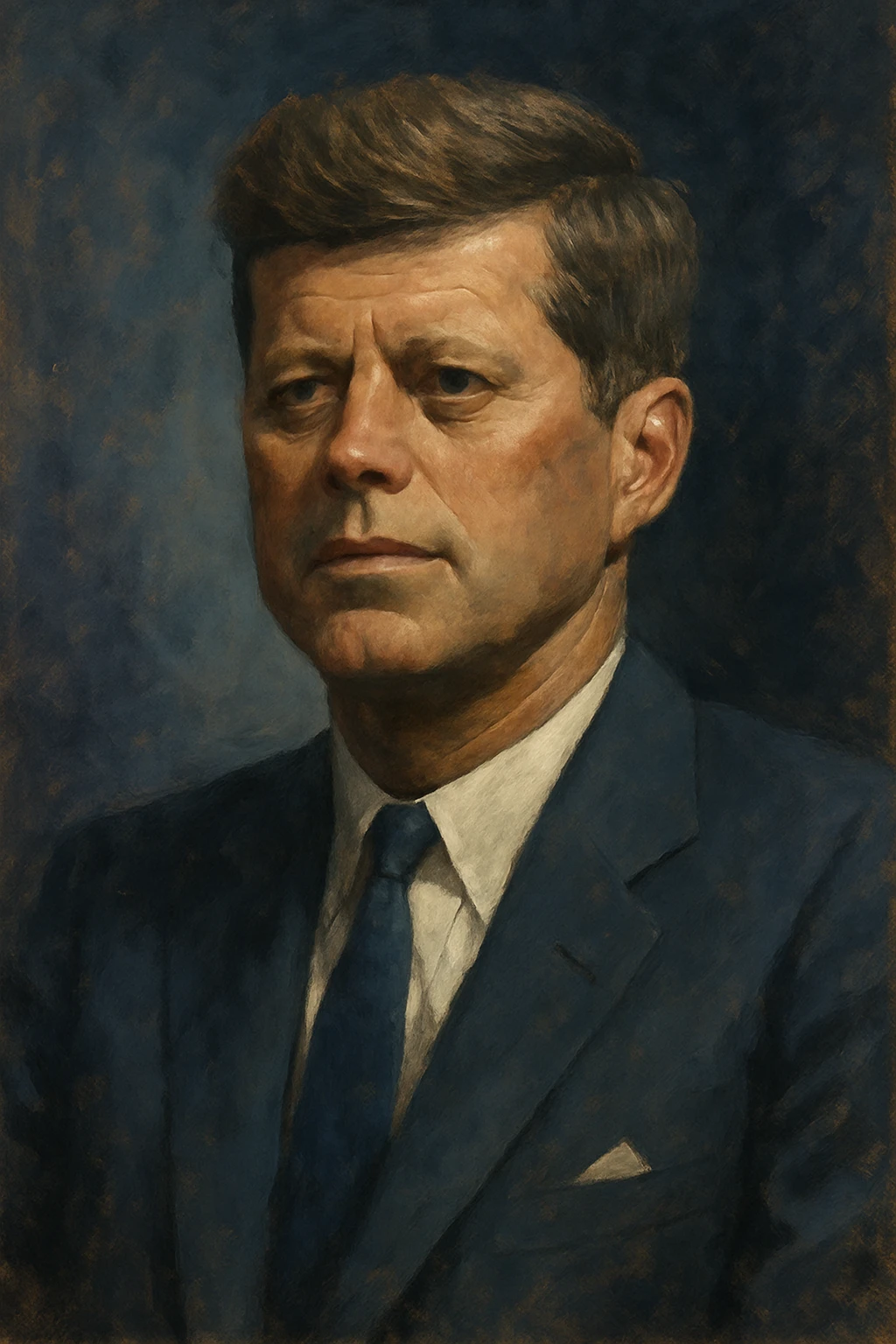
In 1994, Mexican theoretical physicist Miguel Alcubierre published a mathematical solution showing how a region of spacetime could theoretically move faster than light relative to distant observers. His model placed a spacecraft inside a protected bubble while space contracted ahead of it and expanded behind it. The occupants would not experience ordinary extreme acceleration, making the journey potentially survivable within the idealized mathematics.
- Warp Bubble: The spacecraft would occupy a relatively calm region surrounded by strongly distorted spacetime.
- Contracting Space: The distance between the bubble and its destination would shrink in front of the craft.
- Expanding Space: Spacetime behind the bubble would stretch, helping move the region forward.
- No Local Light-Speed Violation: The ship itself would not necessarily travel faster than light through the space immediately around it.
- The Central Problem: The original model requires unusual negative energy densities that have never been created or controlled on the enormous scale a spacecraft would need.
David Pares and Space Warp Experiments
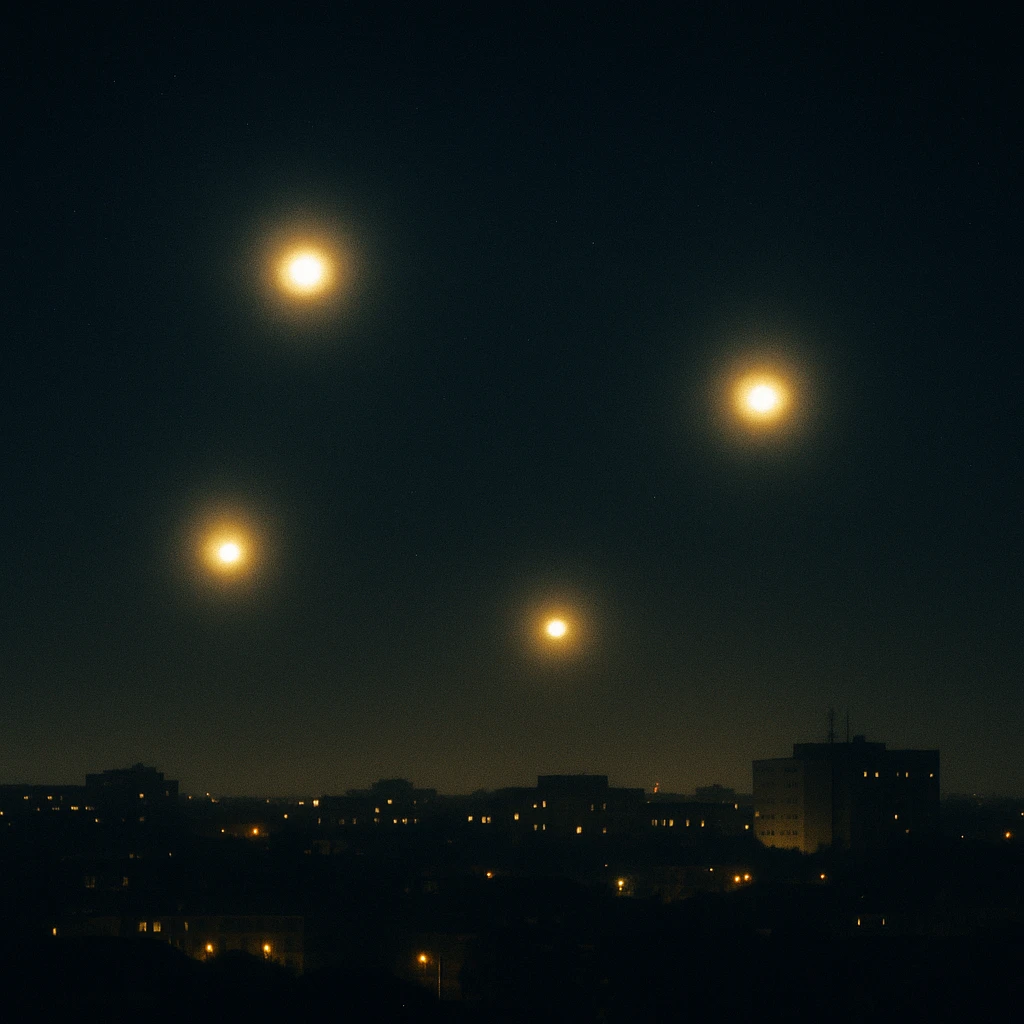
Researcher David Pares and teams associated with Space Warp Dynamics and Quantum Electro Dynamics have described experiments intended to produce tiny artificial distortions using rapidly changing electromagnetic fields. Pares has argued that particular atmospheric and electromagnetic observations may point toward a controllable relationship between energy and local spacetime curvature. His work gained wider attention through radio interviews, public demonstrations, and proposed propulsion devices. However, the reported effects have not been independently established as genuine spacetime warping, and the claims remain well outside accepted experimental physics. They are best viewed as an intriguing attempt that requires reproducible evidence and rigorous independent confirmation.
From Equations to Experimental Research
Alcubierre's proposal inspired other physicists to search for geometries with lower energy demands and fewer physical contradictions. NASA researchers also published theoretical discussions examining whether the shape and thickness of a warp field could alter its energy requirements. Later studies have proposed sublight warp configurations, modified bubble geometries, and possible gravitational-wave signatures from unstable warp-like spacetimes. These investigations do not mean that a working drive is near. Instead, they show that warp physics has developed into a legitimate theoretical question about the limits of general relativity.
The Obstacles Are Enormous
Mainstream physicists emphasize that no warp bubble has been created and no known technology can generate the required spacetime geometry. Many models demand negative energy, immense energy densities, or matter with properties never observed on a usable scale. Other difficulties include forming and controlling the bubble, communicating with its leading edge, preventing dangerous radiation from accumulating, and stopping safely at the destination. Some newer proposals reduce particular obstacles, but critical analyses continue to find violations of fundamental energy conditions in physically reasonable faster-than-light warp models.
Could Warp Travel Ever Become Real?
Today, warp drive remains a mathematical possibility rather than an engineering technology. Yet its scientific value extends beyond building a starship. By testing unusual solutions to Einstein's equations, researchers learn more about gravity, energy, causality, and the structure of spacetime itself. The dream of reaching distant stars may remain beyond humanity for centuries, or nature may contain limits that can never be overcome. Skygaze explores warp drive not as a proven machine, but as a powerful question at the edge of physics: if space itself can bend, could an advanced civilization someday learn how to shape it?