
The Anunnaki: Ancient Gods or Alien Visitors?
Who Were the Anunnaki?
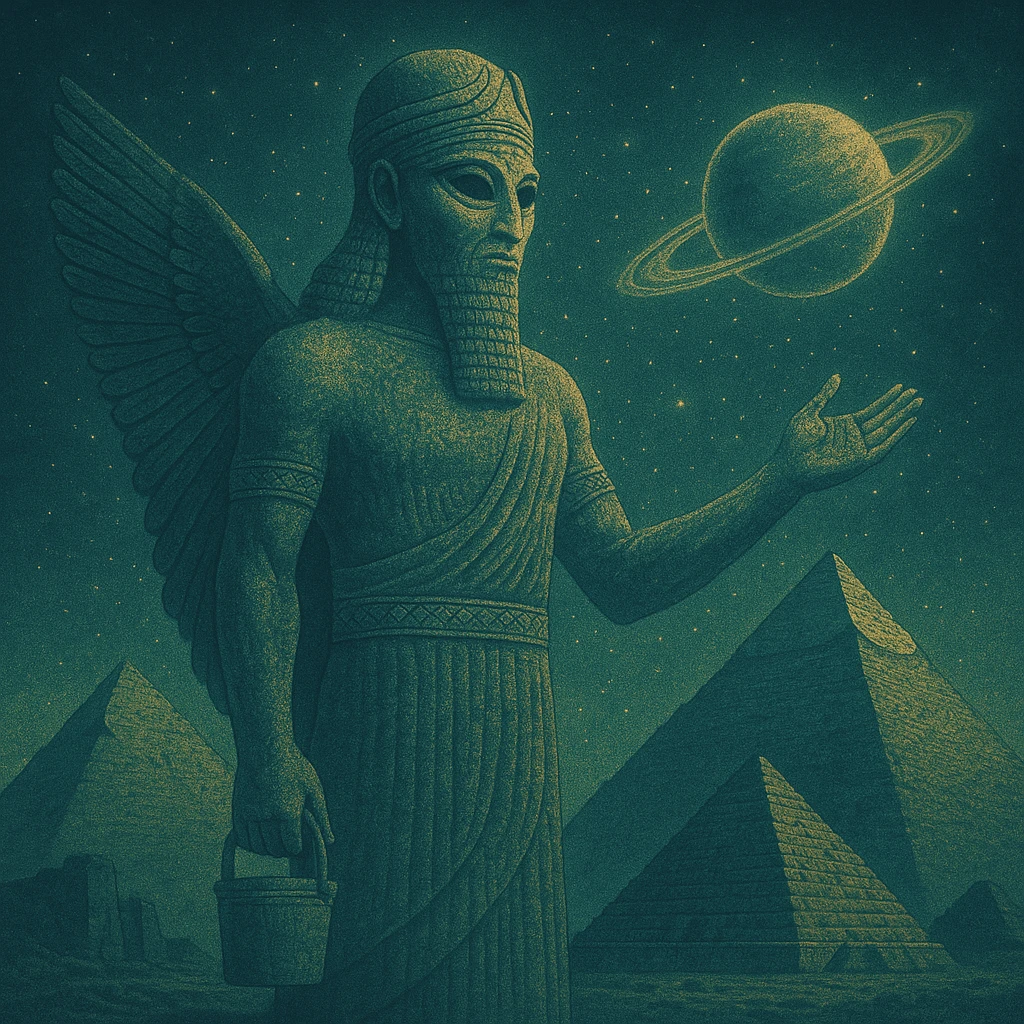
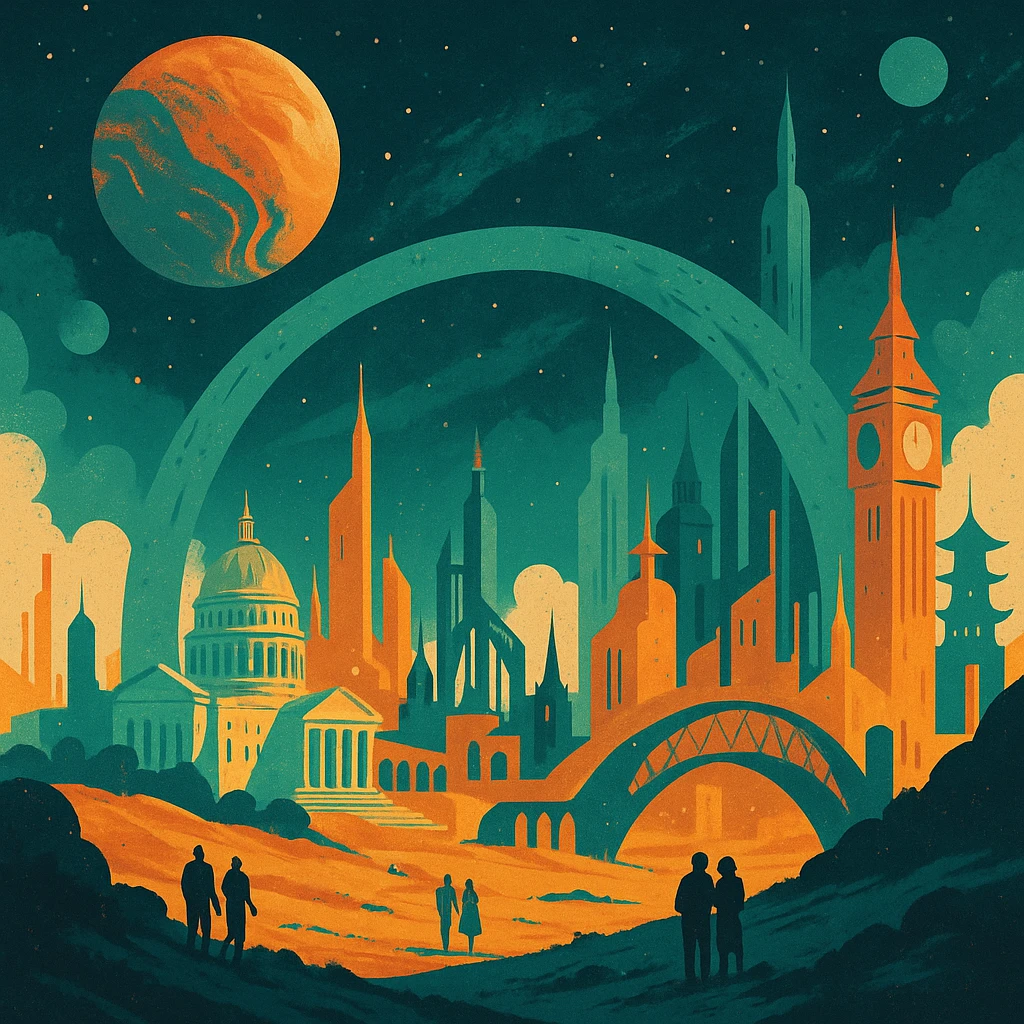
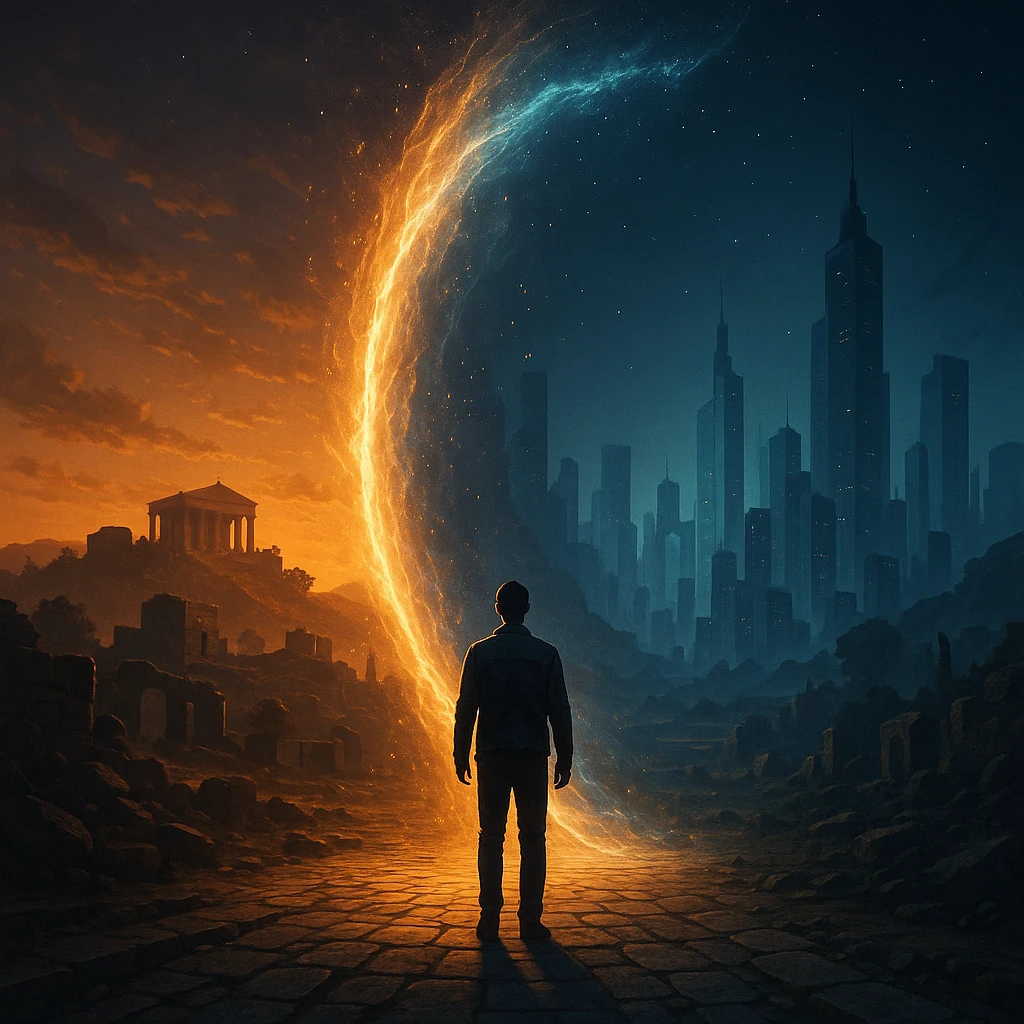
The Anunnaki first appear in the mythology of ancient Mesopotamia, where they were revered by the Sumerians, Akkadians, Babylonians, and Assyrians as powerful divine beings. Associated with creation, kingship, justice, and the ordering of the cosmos, they occupied an important place within one of humanity's earliest civilizations. Thousands of years later, modern writers would reinterpret these ancient gods in dramatically different ways, transforming them into one of the most debated subjects in alternative history.
The Anunnaki in Ancient Mesopotamia
In the oldest surviving texts, the Anunnaki are portrayed as descendants of the sky god Anu and members of a complex divine hierarchy. Rather than extraterrestrials, they were understood as supernatural beings responsible for maintaining cosmic order, guiding rulers, and influencing the destiny of both gods and humans. Their stories evolved over centuries, with different civilizations assigning them varying roles and attributes.
- Name and Meaning: The name "Anunnaki" is commonly interpreted as referring to the descendants or offspring of the sky god Anu.
- Divine Authority: Ancient texts associate the Anunnaki with kingship, justice, creation, and the divine order governing the universe.
- Enlil and Enki: Powerful deities such as Enlil and Enki played central roles within Mesopotamian mythology and are closely connected with stories involving the Anunnaki.
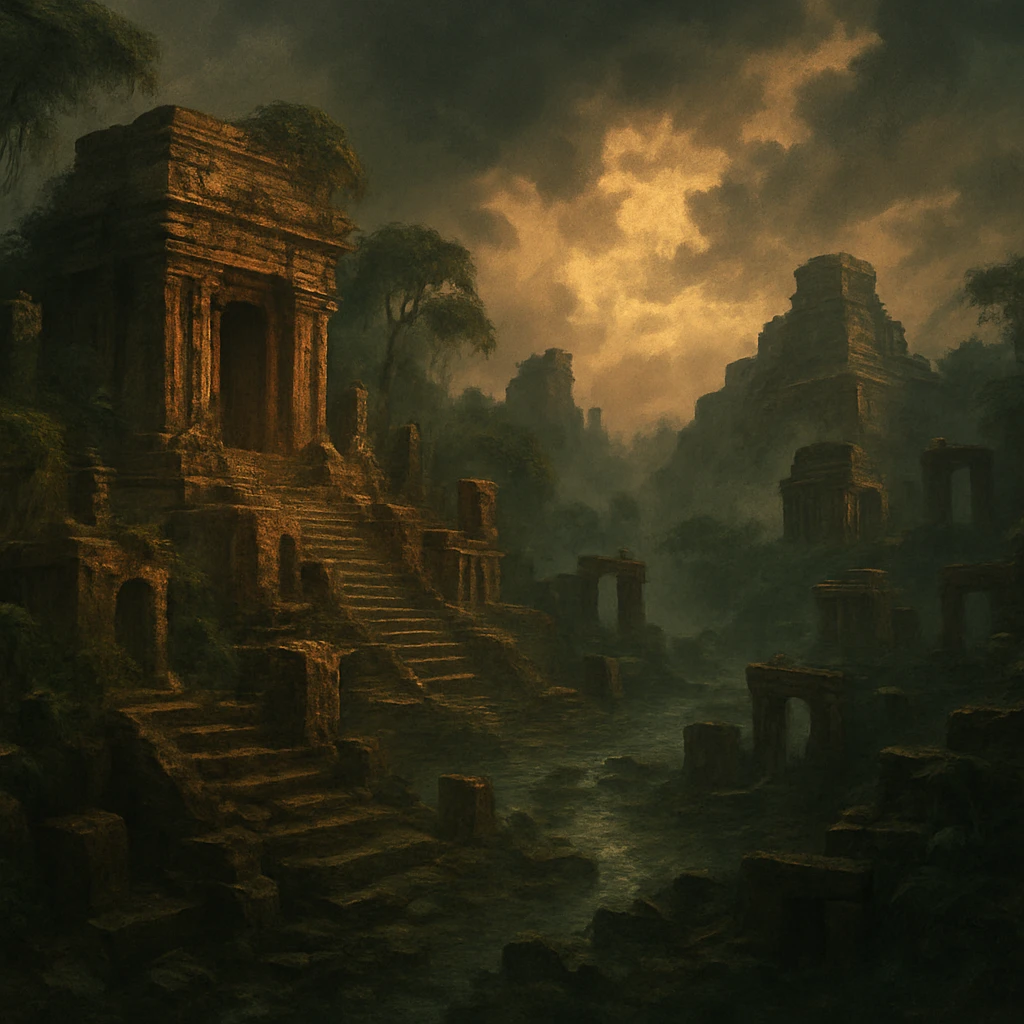
- Ziggurats: Massive stepped temples served as sacred centers where people worshipped the gods and sought divine guidance.
- Judges of the Underworld: Later traditions describe groups of Anunnaki acting as judges who determined the fate of souls after death.
From Ancient Gods to Ancient Astronauts
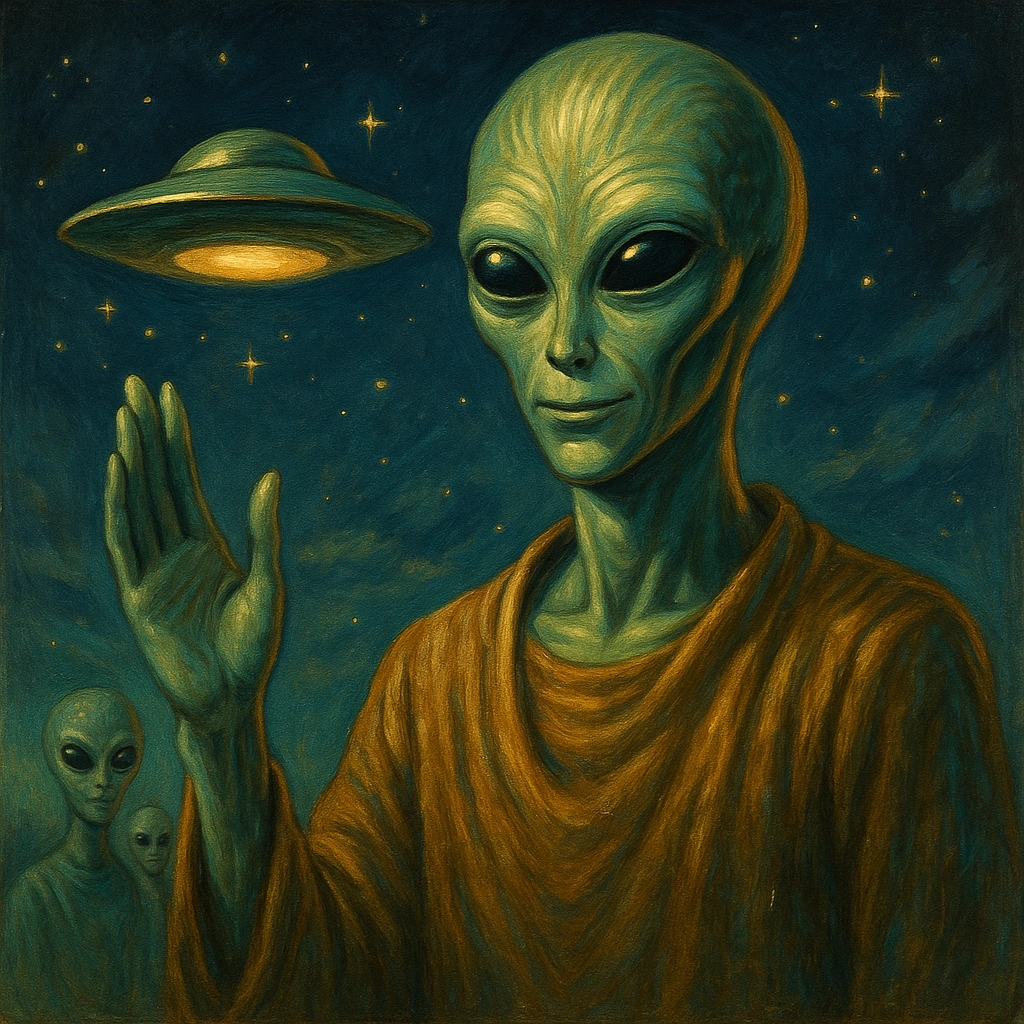
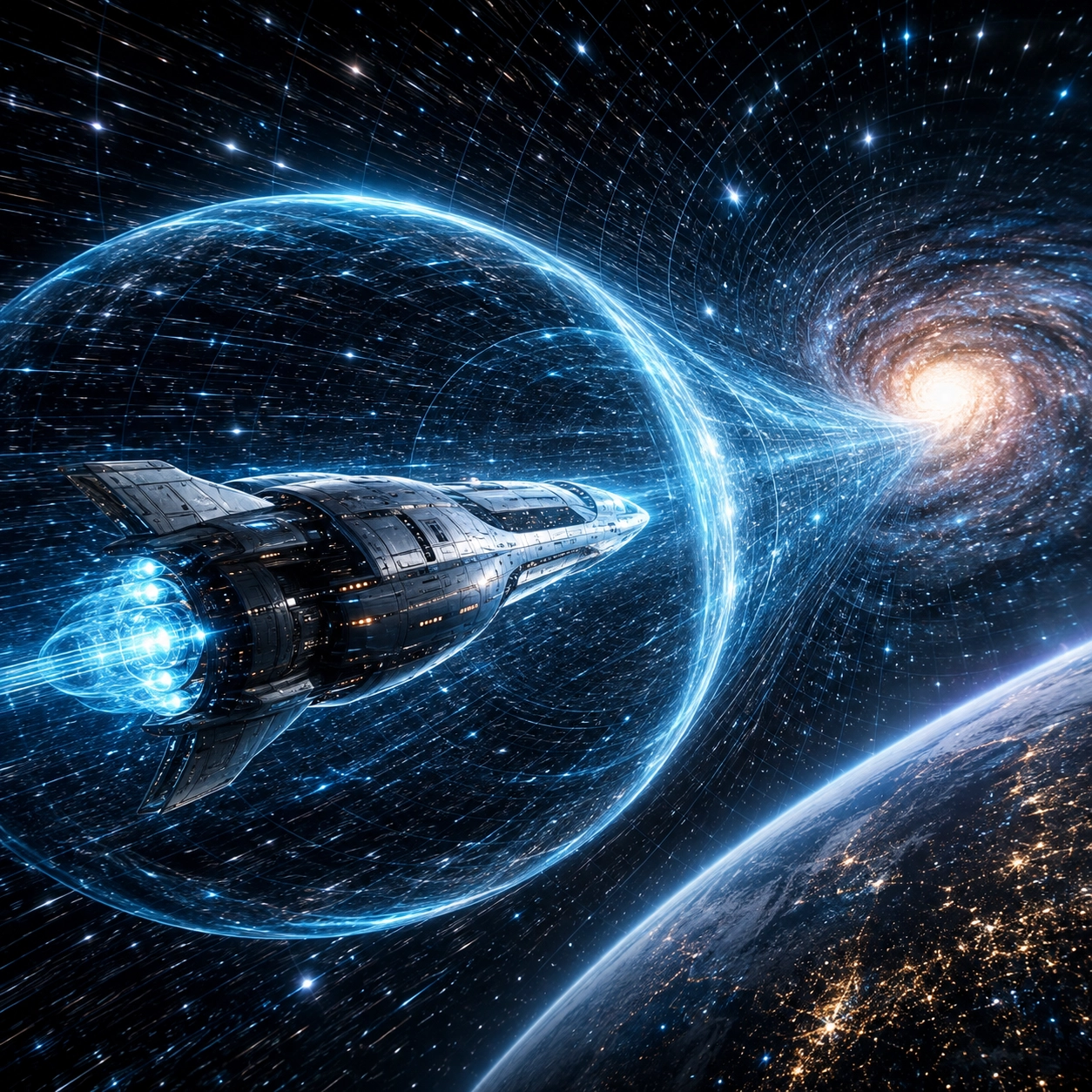
During the twentieth century, the Anunnaki took on an entirely new identity. Authors such as Zecharia Sitchin argued that these ancient gods were actually highly advanced extraterrestrials whose visits to Earth were later recorded as mythology. Although these ideas remain controversial, they became enormously influential within the ancient astronaut movement and popular culture.
- The Ancient Astronaut Theory: Sitchin proposed that the Anunnaki originated from the planet Nibiru and periodically visited Earth throughout history.
- Genetic Engineering: One of the theory's most well-known claims suggests the Anunnaki genetically modified early humans to create a workforce for mining and labor.
- Gold Mining: According to Sitchin's interpretation, the Anunnaki required gold to help restore their planet's atmosphere, providing the motivation for creating humanity.
- Advanced Technology: Supporters point to ancient engineering achievements, astronomical knowledge, and descriptions of flying craft as possible evidence of advanced visitors.
- Worldwide Influence: Similar stories of sky gods appearing in civilizations across the globe are sometimes cited as evidence of a shared historical event.
Ancient Monuments and Lost Knowledge
Many ancient astronaut researchers connect the Anunnaki with remarkable structures such as the pyramids of Egypt, the ziggurats of Mesopotamia, and other megalithic monuments around the world. They argue that the precision of ancient engineering, astronomical alignments, and sophisticated mathematics suggest knowledge beyond what was traditionally believed possible. Archaeologists, however, attribute these accomplishments to the ingenuity and skill of ancient civilizations themselves.
Echoes Across Civilizations
Stories of powerful beings descending from the heavens appear throughout world mythology. Supporters of the Anunnaki theory point to similarities between Mesopotamian traditions and figures such as the Nephilim of the Hebrew Bible, the Viracocha of the Andes, and other creator beings found across cultures. Whether these similarities reflect shared symbolism, cultural exchange, or something more remains a subject of ongoing debate.
History or Modern Interpretation?
Most historians, archaeologists, and Assyriologists reject the idea that the Anunnaki were extraterrestrials. They argue that Sumerian texts describe mythological deities within the religious worldview of ancient Mesopotamia rather than visitors from another world. They also note that many popular ancient astronaut claims rely on speculative interpretations instead of accepted translations of the original cuneiform tablets.
Why the Anunnaki Continue to Fascinate
Whether viewed as ancient gods, symbolic figures, or possible visitors from another world, the Anunnaki continue to capture the imagination of millions. Their story sits at the crossroads of archaeology, mythology, astronomy, and speculation, raising timeless questions about humanity's origins and our place in the universe. Skygaze explores the mystery not to declare an answer, but to invite curiosity where history and legend meet.