
Jack the Ripper: London's Most Infamous Unsolved Mystery
The Killer Who Was Never Caught
Skygaze explores the Whitechapel murders and the enduring mystery behind history's most infamous unidentified serial killer
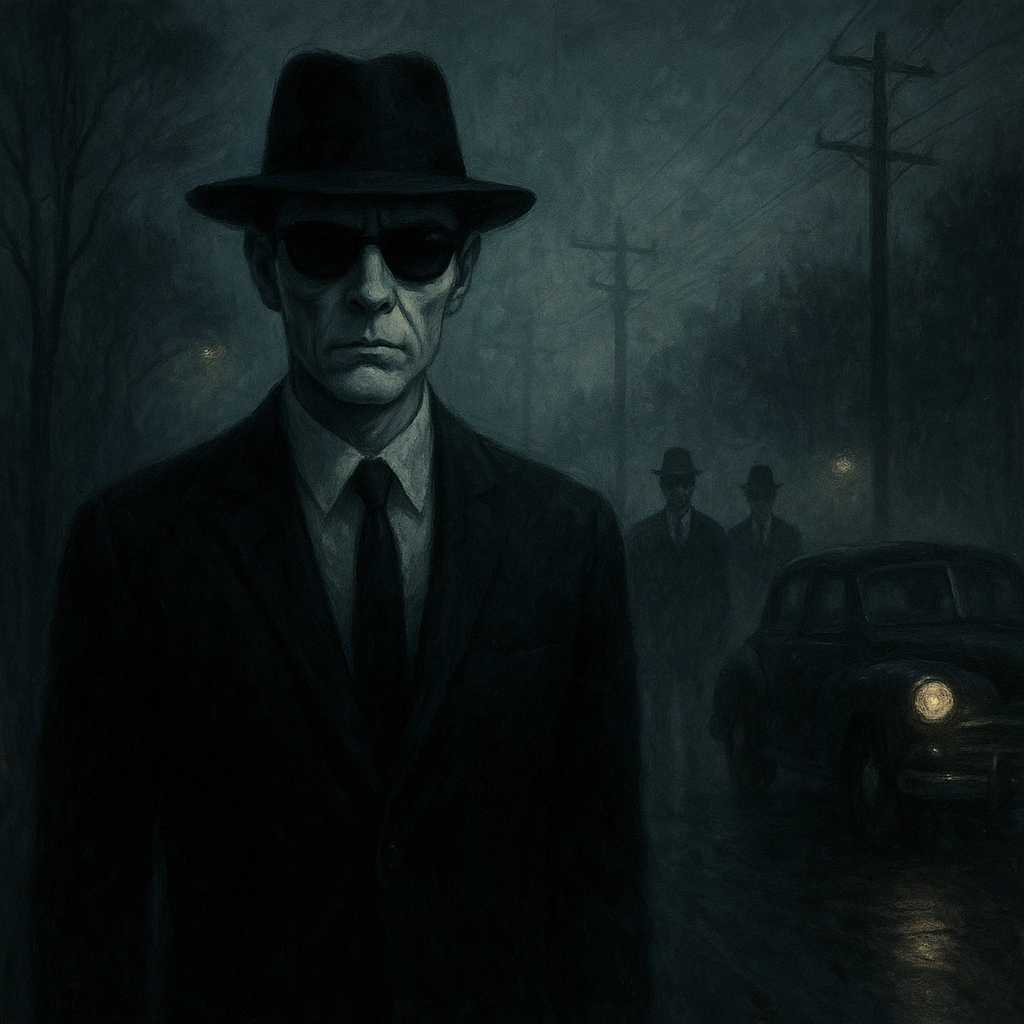
A Shadow in the Fog
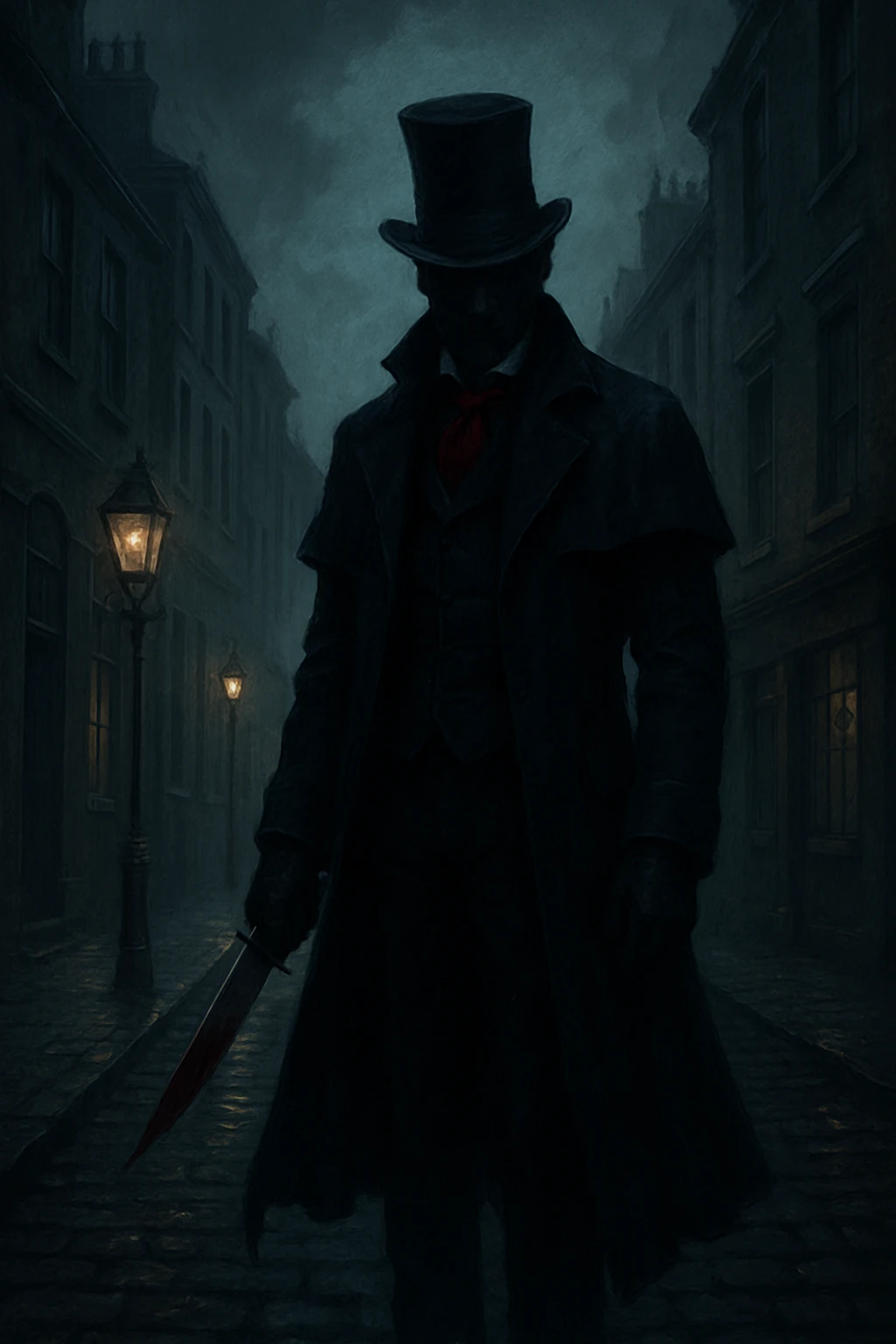
During the autumn of 1888, London's impoverished Whitechapel district became the scene of a series of brutal murders that shocked Victorian society. The victims were women living on the margins of society, and the killer's apparent confidence, precision, and ability to disappear without capture created widespread fear. Letters signed "Jack the Ripper" transformed the crimes into an international media sensation, while the mysterious identity of the murderer ensured that the case would endure long after the bloodstains had faded from the cobblestones.
The Canonical Five
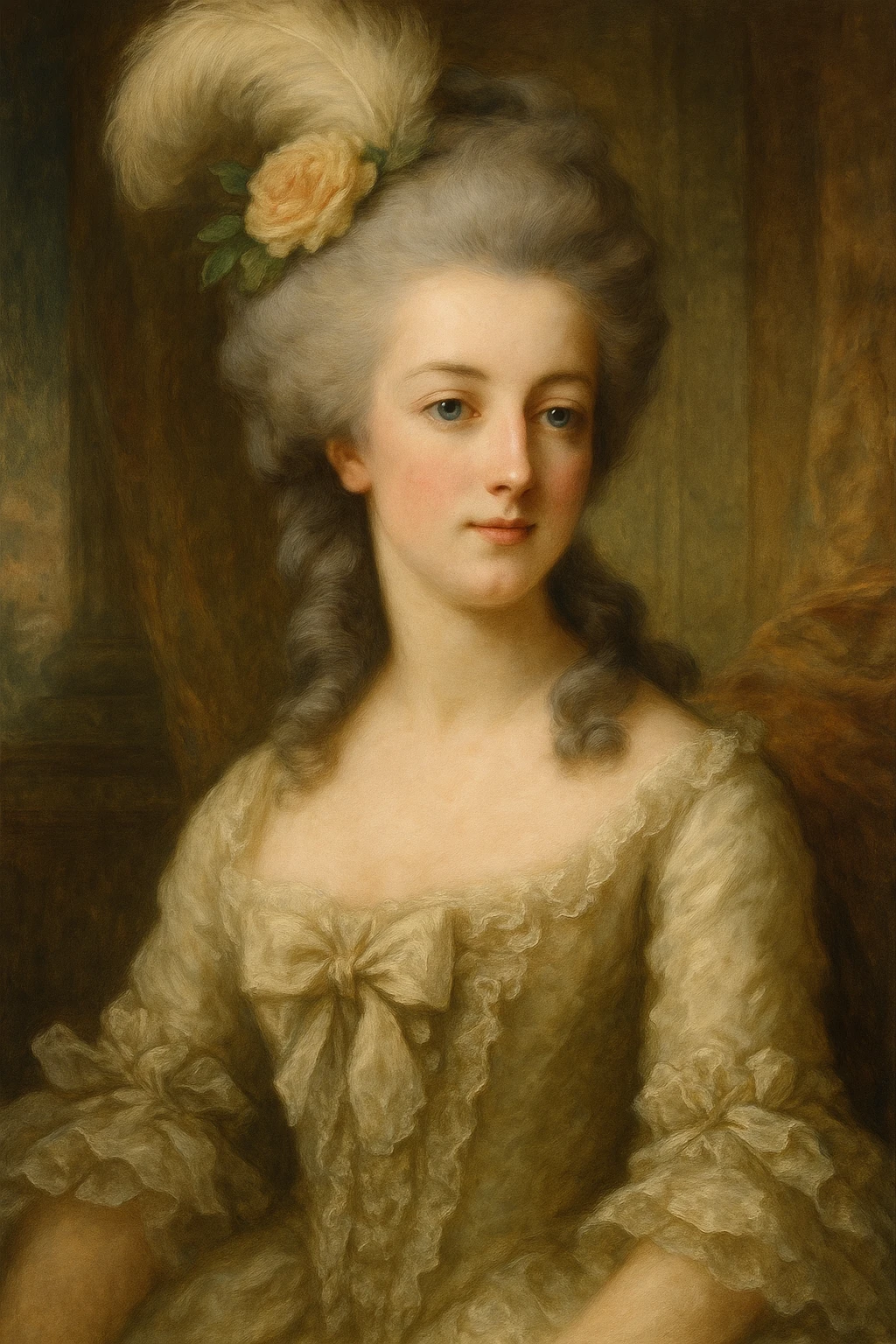
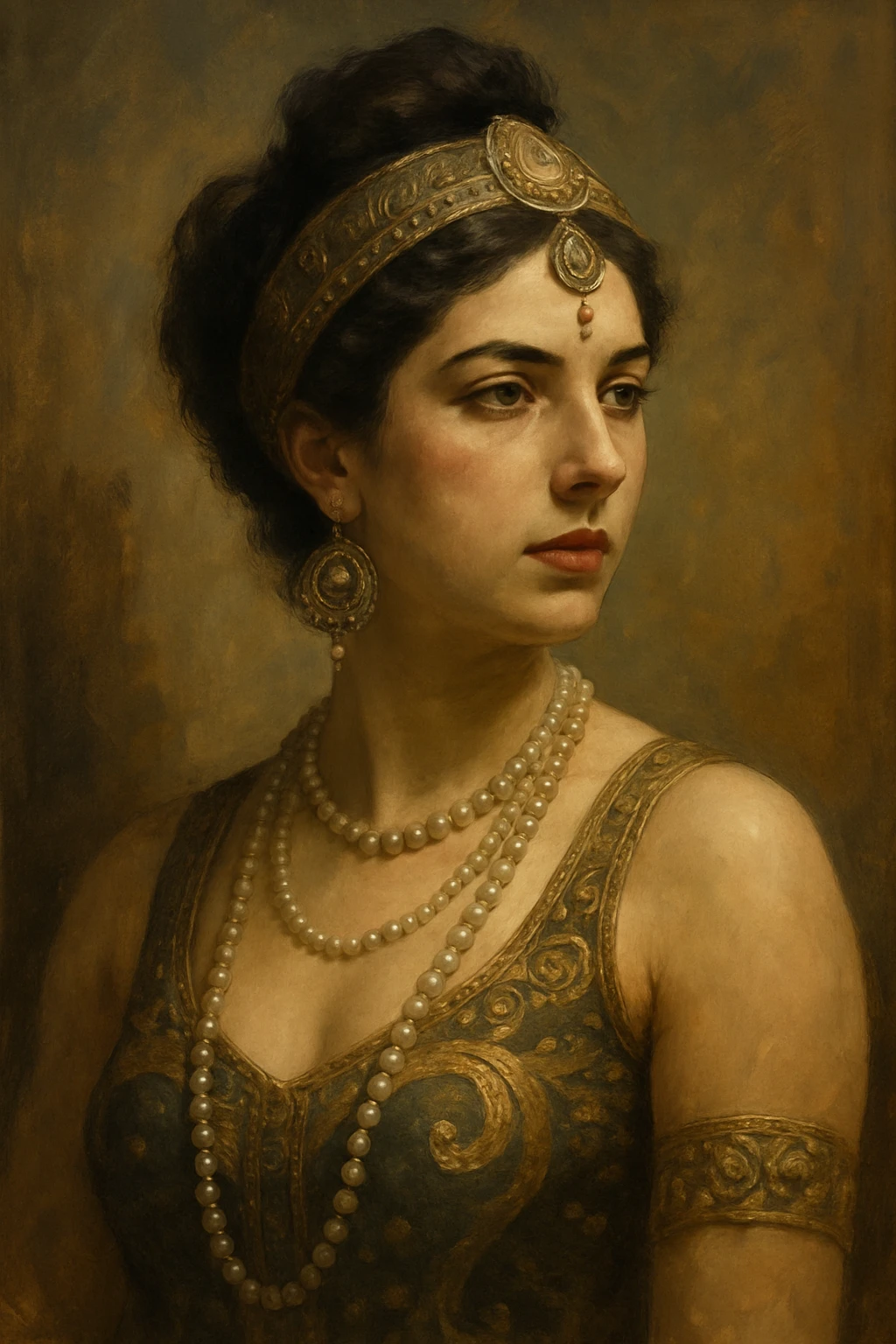
Although historians debate whether additional murders should be connected to the case, five victims are generally accepted as the Canonical Five: Mary Ann Nichols, Annie Chapman, Elizabeth Stride, Catherine Eddowes, and Mary Jane Kelly. Each was killed within a remarkably short period during 1888, and investigators noted similarities in the attacks. The final murder, that of Mary Jane Kelly, was especially horrific and remains one of the most disturbing crime scenes in British criminal history.
Letters, Panic, and Pressure
As panic spread throughout London, Scotland Yard found itself overwhelmed by public pressure and intense newspaper coverage. Hundreds of letters claiming to be from the killer were received, most of them elaborate hoaxes. Two became particularly famous: the "Dear Boss" letter, which introduced the name "Jack the Ripper," and the disturbing "From Hell" letter, accompanied by half of a preserved human kidney. Whether either letter was genuine remains fiercely debated. The murders fueled speculation that the killer possessed anatomical knowledge, leading many to suspect a doctor, butcher, or someone familiar with human anatomy.
Suspects and Speculation
More than a century later, over one hundred suspects have been proposed. Among the best-known are Aaron Kosminski, a Polish immigrant later confined to an asylum, and Montague Druitt, a barrister whose death shortly followed the final canonical murder. Other theories have implicated physicians, artists, members of the royal family, and even fictional conspiracies. Modern forensic studies, including controversial DNA analyses, have generated headlines but failed to produce a universally accepted solution. The identity of Jack the Ripper remains one of history's greatest criminal mysteries.
A Killer Who Became a Legend
Jack the Ripper became more than an unidentified murderer; he evolved into a cultural phenomenon. Countless books, documentaries, films, television dramas, and historical investigations have attempted to uncover his identity. Over time, the legend has often overshadowed the real tragedy endured by the victims and the harsh conditions of Victorian London's East End. The mystery continues to fascinate because it combines genuine history with unanswered questions that still resist definitive explanation.
The Trail Grows Cold
Despite remarkable advances in forensic science, criminal profiling, and historical research, the Whitechapel murders remain officially unsolved. Missing evidence, conflicting witness statements, incomplete police records, and the passage of more than a century have left investigators with far more questions than answers. Jack the Ripper remains not a known face, but a symbol of fear, media fascination, and the enduring challenge of solving crimes when the truth disappears into history.
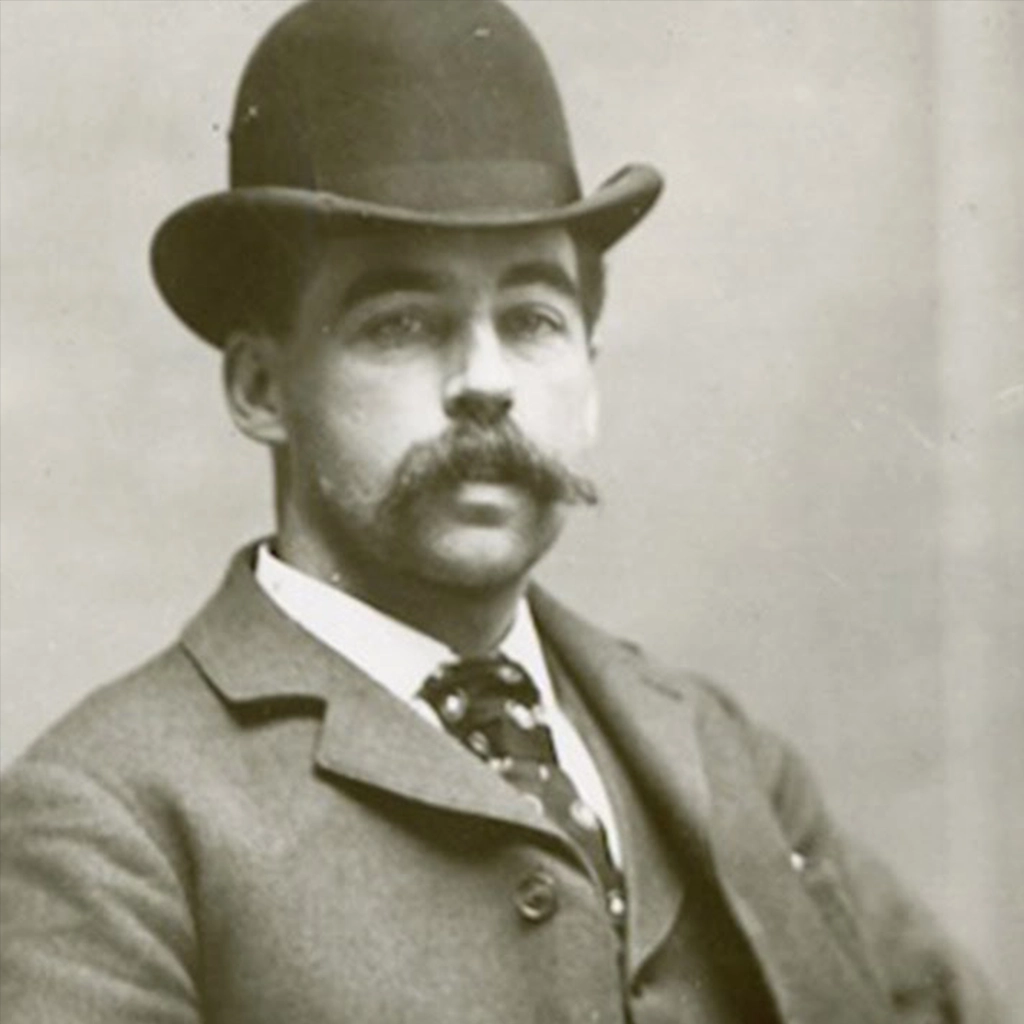
Another infamous nineteenth-century criminal whose documented crimes became intertwined with sensational legend was H. H. Holmes. While their crimes differed greatly, both men became larger than life through newspaper coverage and public fascination.