
Edgar Allan Poe: Mystery Surrounding His Final Days
Death in the Shadows
A literary legend's final days remain one of America's great unsolved mysteries
The Master of Macabre
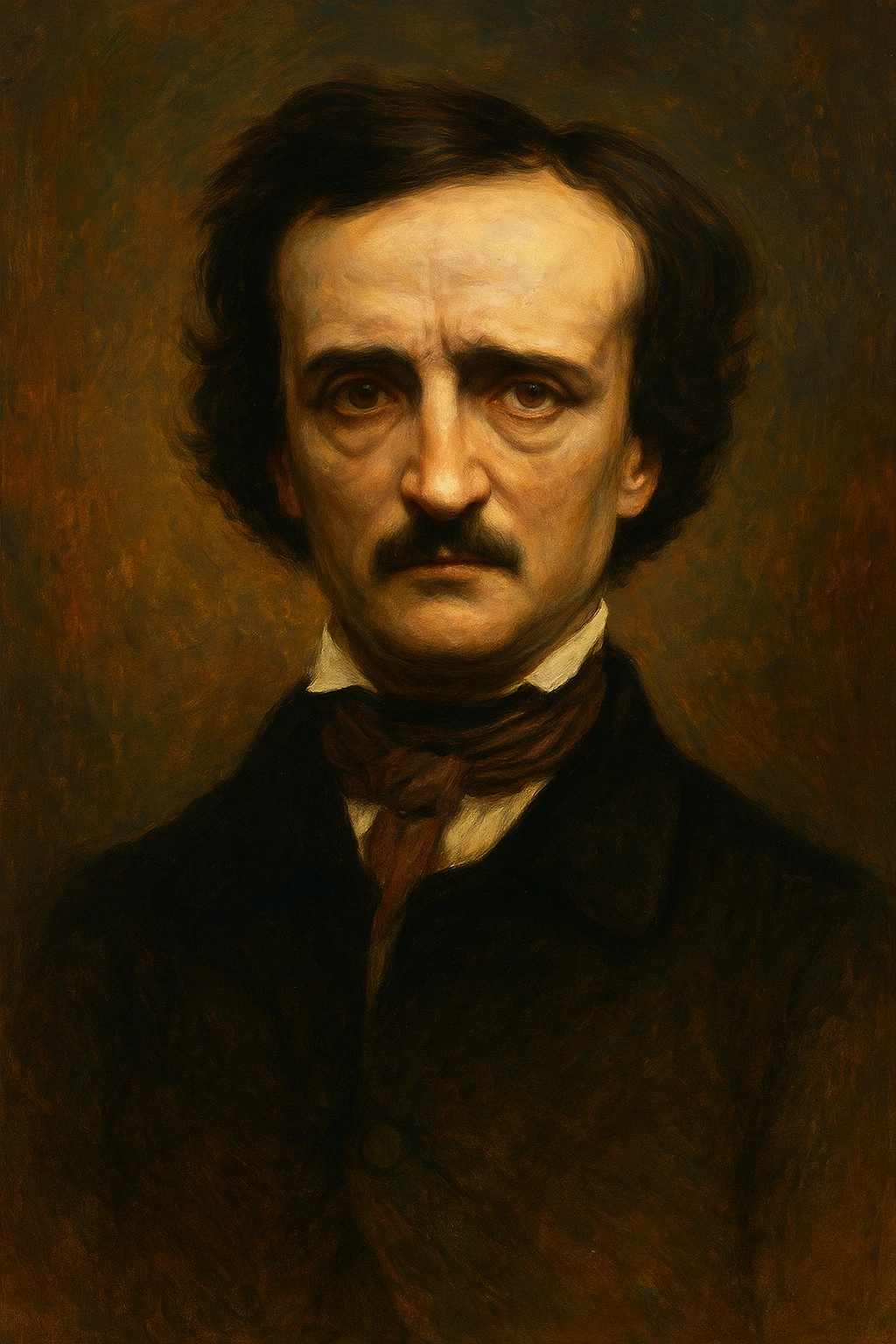
Edgar Allan Poe's name is synonymous with mystery, psychological terror, and gothic darkness. Through works such as The Raven, The Tell-Tale Heart, The Fall of the House of Usher, and The Murders in the Rue Morgue, he helped transform American literature and shape both modern horror and detective fiction.
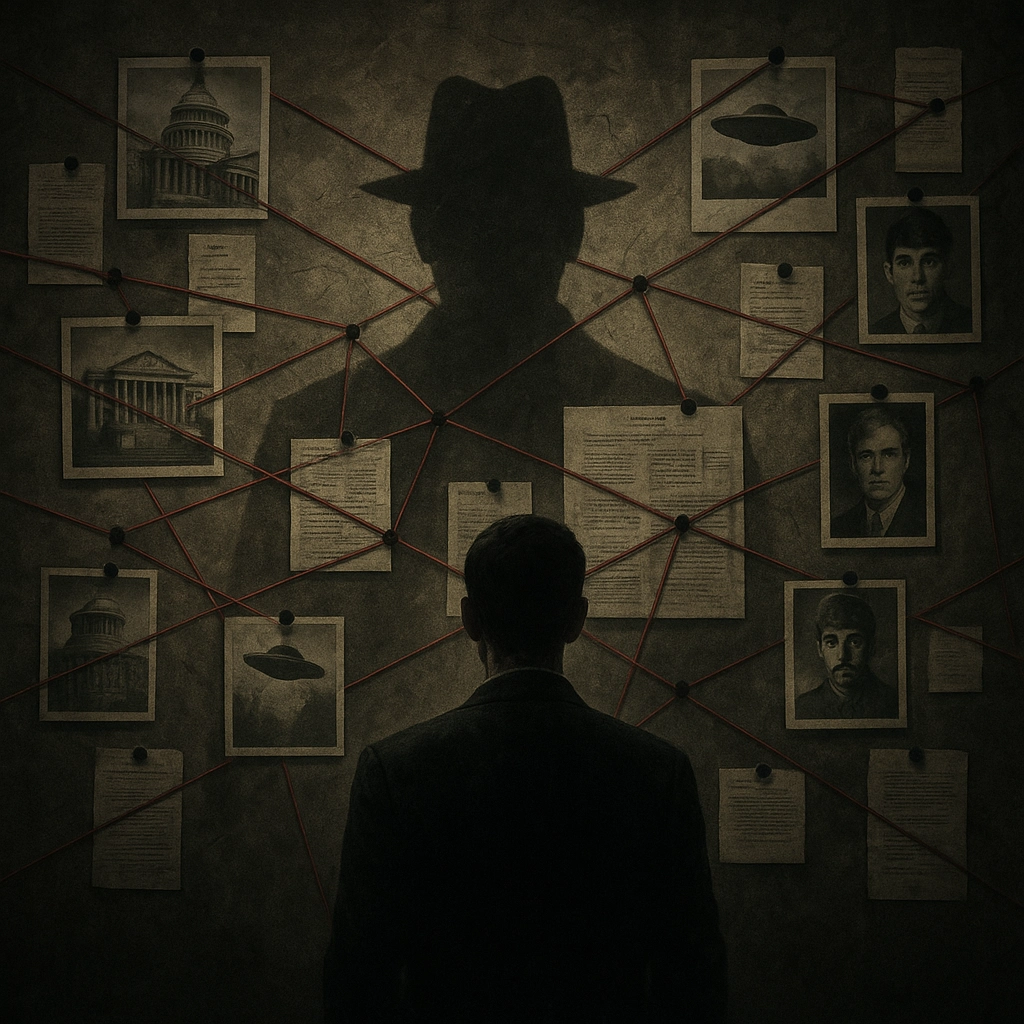
Yet Poe's own life ended in a mystery more cryptic than anything he wrote. He was found in Baltimore in a distressed and confused condition, apparently wearing clothes that were not his own. Four days later, at only 40 years old, he died without ever clearly explaining what had happened.
A Life Marked by Loss
Born in Boston in 1809, Poe lost both parents while still a young child and was raised by John and Frances Allan in Richmond, Virginia. Although never formally adopted by the family, he took Allan as his middle name. His relationship with John Allan became increasingly strained, particularly over money, education, and Poe's literary ambitions.
Poe attended the University of Virginia but left amid financial difficulties. His adult life was marked by unstable employment, disagreements with publishers, and recurring poverty, even as his reputation as a writer and critic grew.
In 1836, Poe married his first cousin Virginia Clemm, who was 13 years old at the time. Her long illness and death from tuberculosis in 1847 devastated him, adding another profound loss to a life already shaped by grief and uncertainty.
The Missing Days
In late September 1849, Poe left Richmond, reportedly intending to travel north. What happened during the following several days remains unknown. On October 3, printer Joseph W. Walker found him in or near a Baltimore public house being used as a polling place. Walker described Poe as being in great distress and in need of immediate assistance.
Poe appeared disoriented and was dressed in inexpensive, ill-fitting clothes that friends said were unlike his normal clothing. Walker contacted Poe's acquaintance Joseph E. Snodgrass, and Poe was taken to Washington College Hospital under the care of Dr. John J. Moran.
During the next four days, Poe drifted in and out of consciousness and was never able to provide a reliable account of his condition. Reports later claimed that he repeatedly called out the name "Reynolds," although no one knows who or what he meant. He died early on October 7, 1849.
A Mystery Without Medical Records
No surviving medical file, death certificate, or autopsy report provides a definitive cause of death. Contemporary newspapers used expressions such as "congestion of the brain" or "cerebral inflammation," broad terms that revealed little about the underlying illness.
Later accounts also conflict with one another. Some witnesses emphasized alcohol, while others described symptoms that could indicate disease, injury, or neurological distress. With so little reliable evidence preserved, nearly every theory depends partly on interpretation.
What Really Happened?
Numerous explanations have been proposed for Poe's death, but none has been proven:
- Alcohol-related illness: Poe had a complicated history with alcohol, and Joseph E. Snodgrass strongly promoted this explanation. However, Snodgrass was also active in the temperance movement, which may have influenced his account.
- Rabies: A later medical analysis argued that Poe's fluctuating consciousness and apparent difficulty drinking could fit rabies, although no direct evidence confirms an animal bite or infection.
- Illness or neurological disease: Other suggestions have included epilepsy, heart disease, diabetes, infection, brain inflammation, or another undiagnosed medical condition.
- Violence or robbery: Poe may have been assaulted, robbed, or otherwise injured during the days when his movements remain unknown.
- Cooping: The most famous theory proposes that Poe became a victim of election fraud in which people were abducted, threatened, intoxicated, disguised, and forced to vote repeatedly.
Each explanation accounts for part of the story, but none fully explains his missing days, strange clothing, confused state, and rapid decline.
The Cooping Theory
Cooping was a form of voter fraud associated with 19th-century elections. Victims could be confined in a room known as a "coop," given alcohol or drugs, dressed in different clothing, and taken from polling place to polling place to cast multiple votes under false identities.
Poe was discovered on an election day near a Baltimore polling location, and his unfamiliar clothes appear consistent with parts of the theory. However, no witness ever confirmed that Poe had been abducted or forced to vote, leaving cooping as an intriguing but unproven explanation.
The Poe Toaster
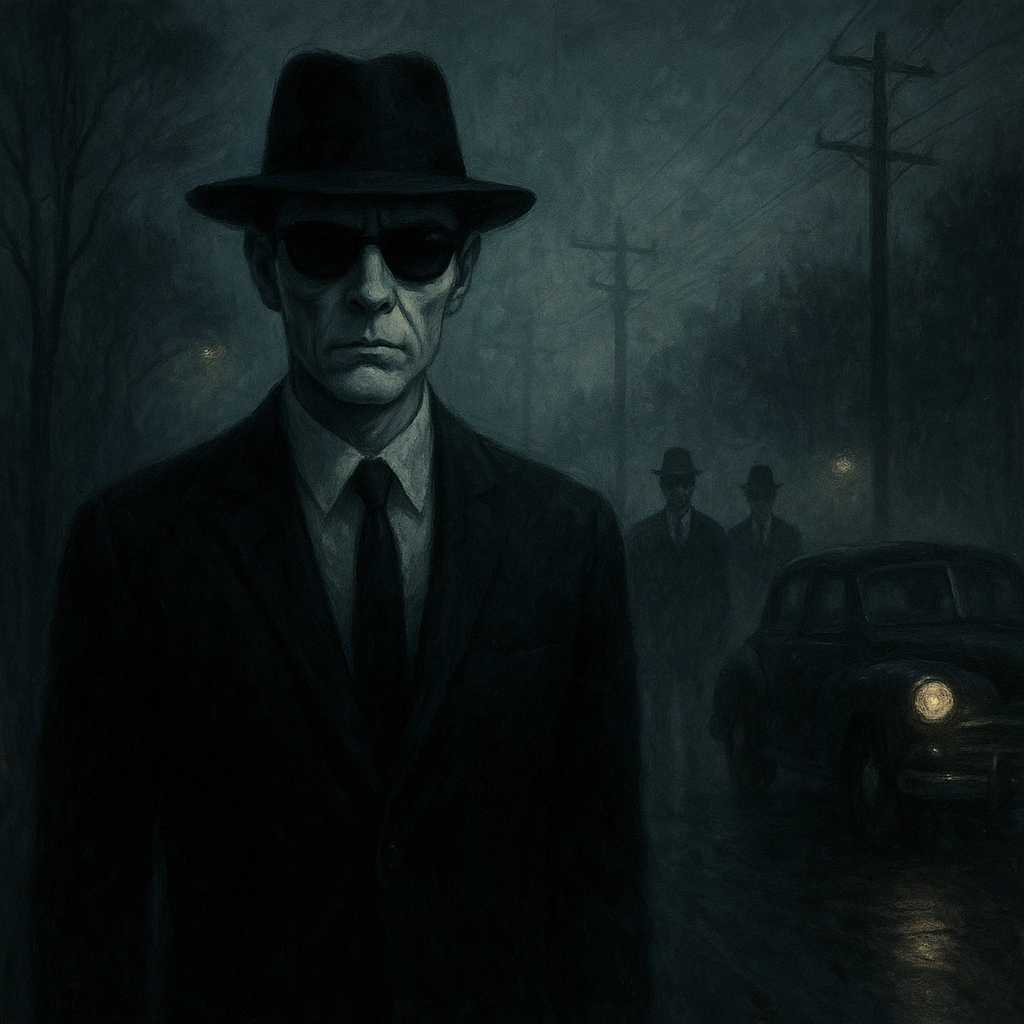
Poe's mysteries continued long after his death. Beginning in the mid-20th century, an unidentified visitor dressed in dark clothing appeared at Poe's original grave marker in Baltimore during the early hours of his birthday, January 19.
The visitor traditionally left three red roses and a bottle of cognac before quietly disappearing. The ritual continued for decades, apparently passing from one person to another, but the identity of the original Poe Toaster was never conclusively established. The traditional visits ended after 2009, adding one more unanswered question to Poe's enduring legend.
A Legend That Won't Die
Poe helped establish psychological horror and is widely credited with pioneering the modern detective story. His explorations of guilt, obsession, madness, premature burial, and unreliable perception continue to influence literature, film, art, and popular culture.
The uncertainty surrounding his death feels strangely appropriate for a writer whose greatest works dwell in the space between reason and terror. Nearly two centuries later, his last days remain an unfinished story filled with missing evidence, conflicting testimony, and shadows that refuse to lift.
Whether Edgar Allan Poe died from illness, violence, political corruption, or a tragic combination of circumstances may never be known. In the end, the master of mystery left behind one final tale that no writer, historian, or investigator has been able to solve.