
What If Humans Could Live Longer?
Quick Answer: If humans could live for centuries, society would be transformed in ways few people imagine. Longer lives could accelerate knowledge, innovation, and experience, but they would also reshape families, careers, population growth, and the meaning of growing old.
The Premise
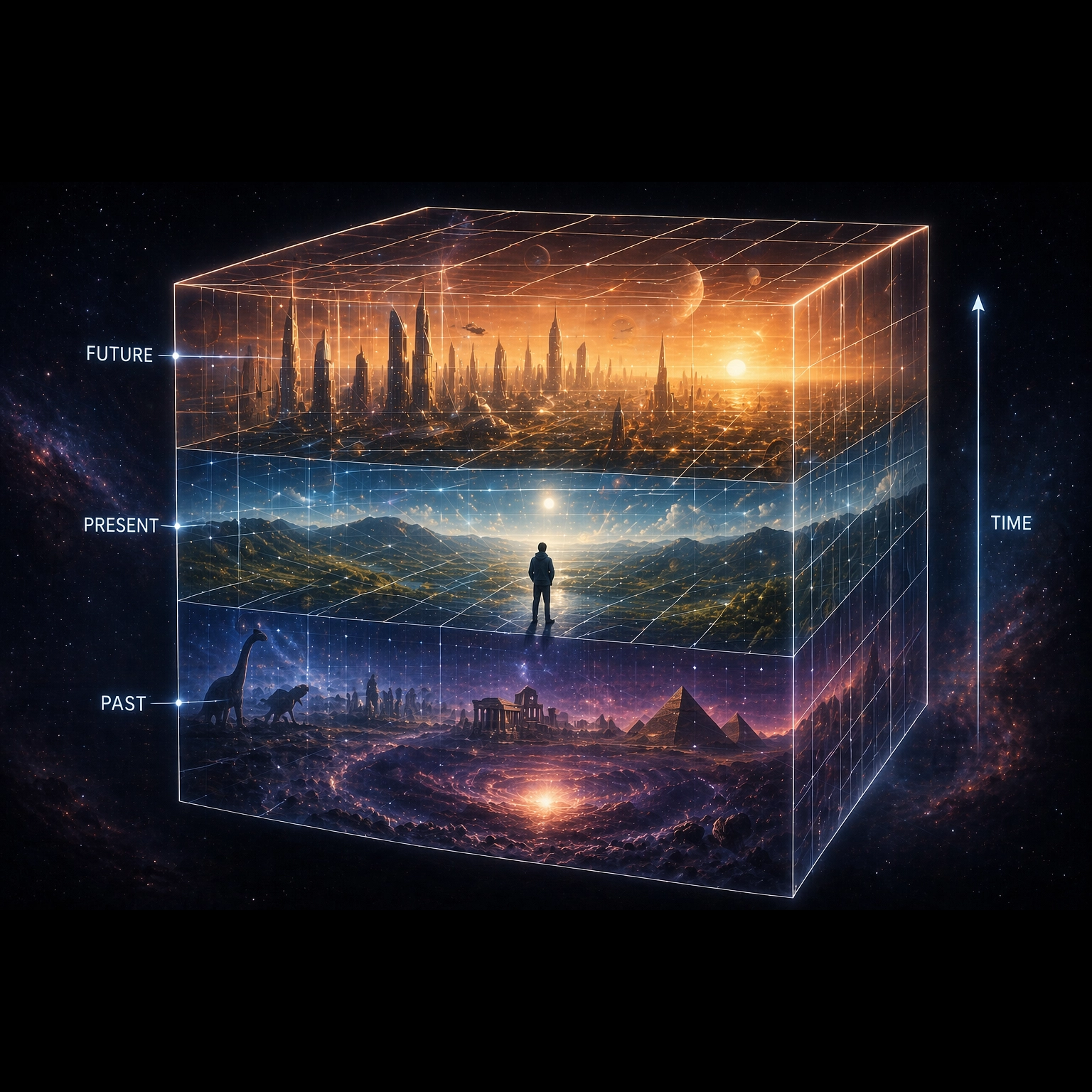
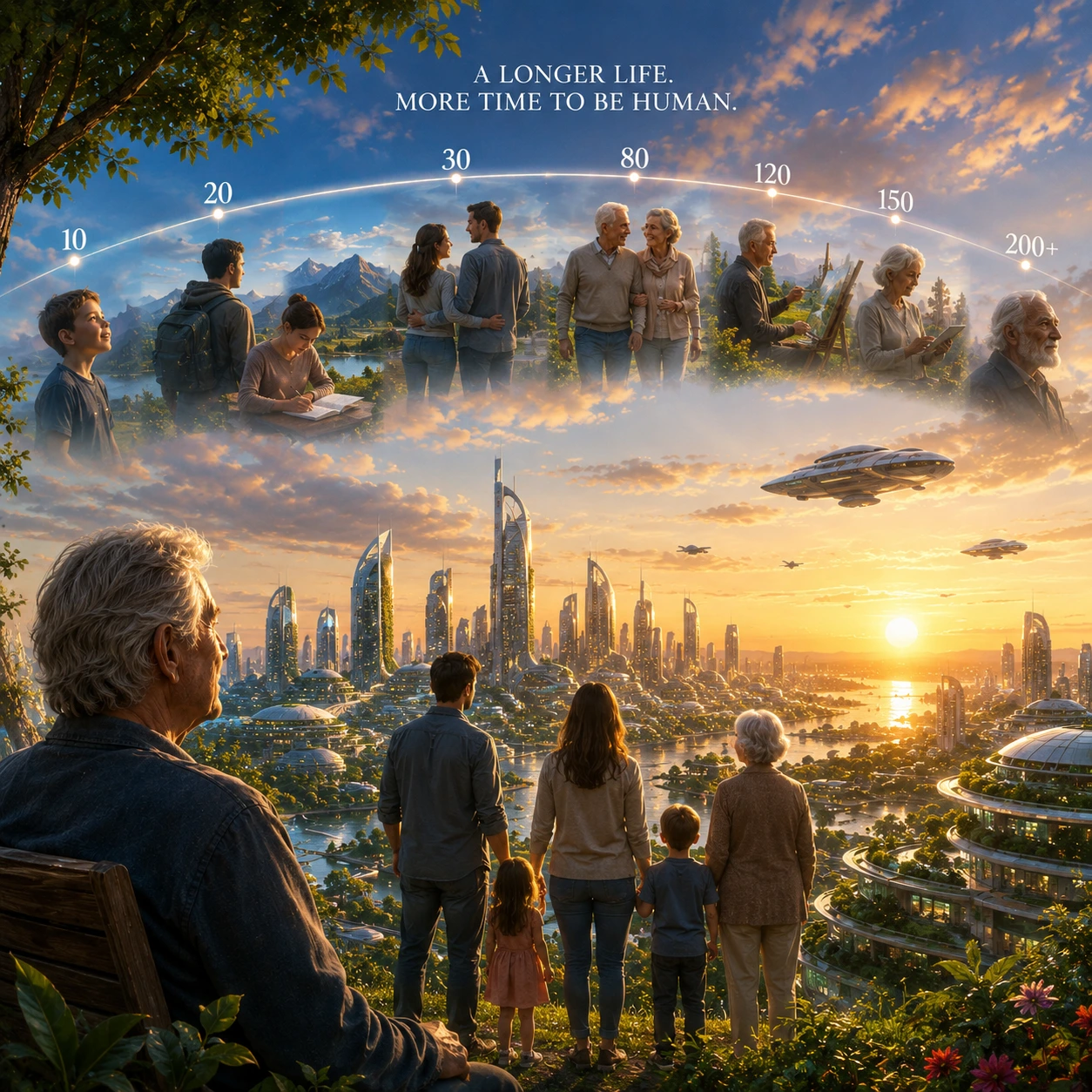
Imagine waking up tomorrow to the announcement of a medical breakthrough unlike anything in human history. Scientists have discovered a safe and reliable way to dramatically slow the aging process, allowing people to remain healthy and active for centuries instead of decades. Growing older no longer means growing frail, and reaching two hundred years of age becomes as ordinary as reaching eighty today.
This is not a world where humans become immortal. People can still die from accidents, disease, or unforeseen events. Instead, it is a world where natural aging slows to such a degree that lifespans of several hundred years become entirely possible, giving individuals far more time to learn, work, explore, and build relationships.
At first, such a future sounds almost universally positive. Longer lives could mean more wisdom, greater scientific progress, and more time with loved ones. Yet every extra century would also reshape families, careers, education, economies, and the balance between generations. If humans suddenly had centuries instead of decades, how differently would we choose to live?
The Science and Speculation
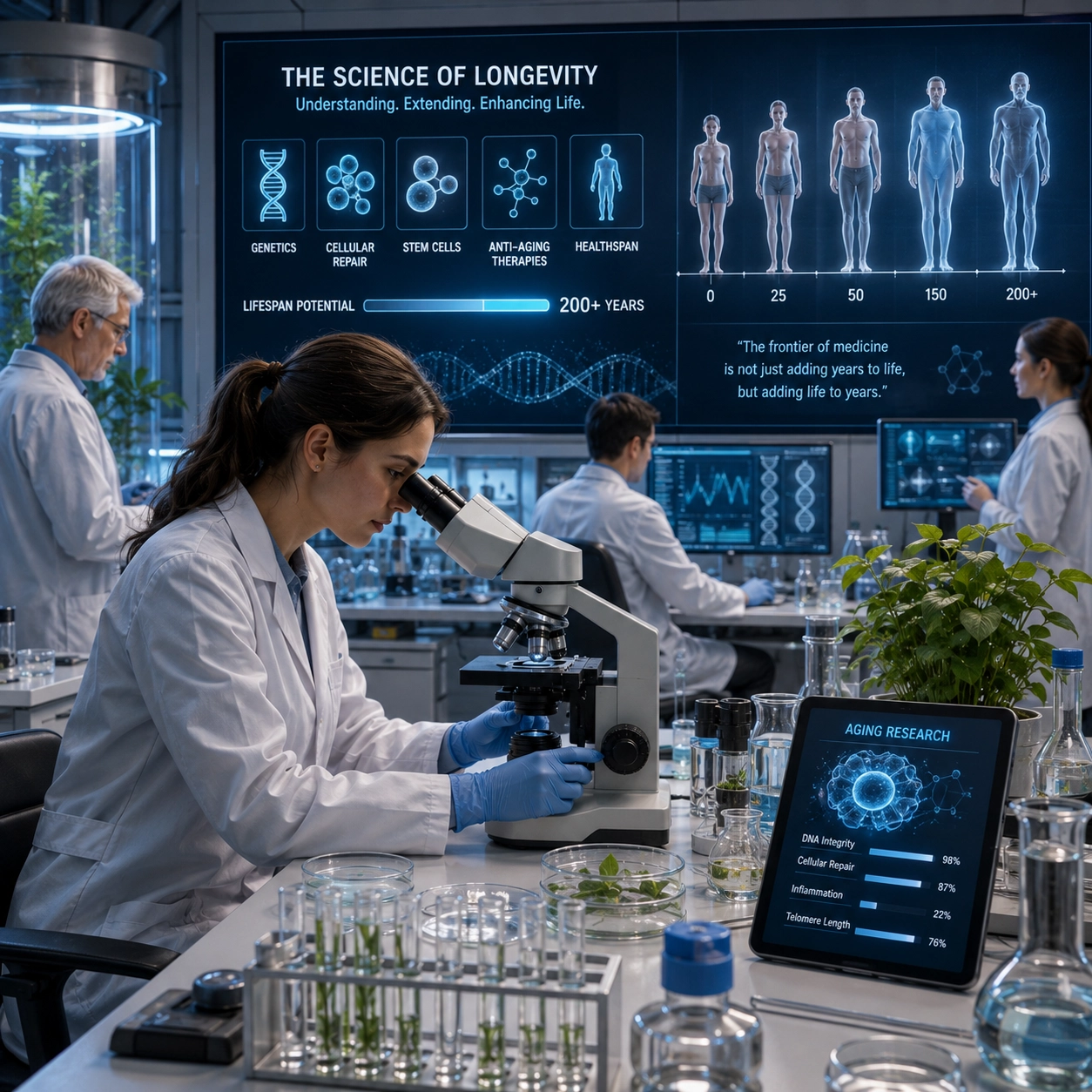
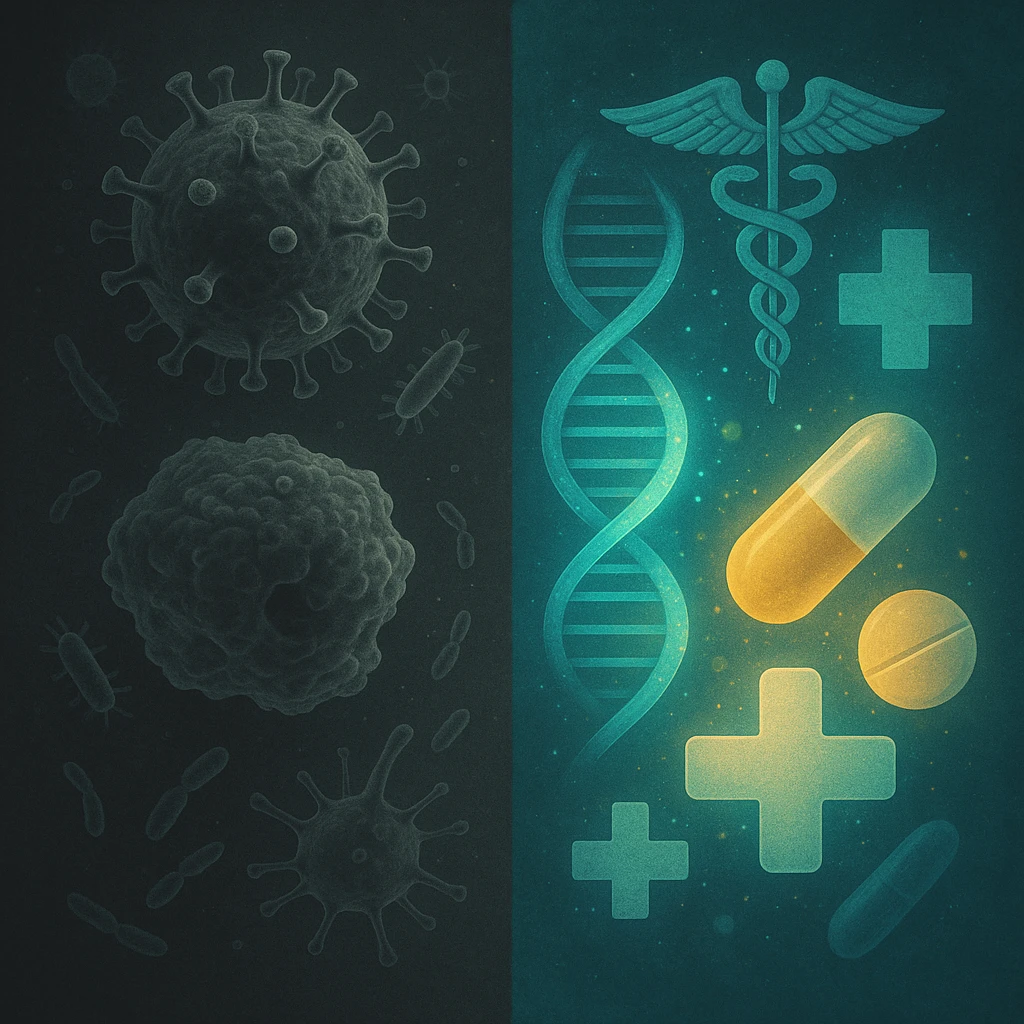
Scientists have long viewed aging as one of biology's greatest challenges rather than an unavoidable certainty. Research into genetics, stem cells, cellular repair, and compounds that influence the aging process has revealed that lifespan may be far more flexible than once believed. While no treatment can yet dramatically extend healthy human life, researchers continue searching for ways to slow the biological processes that lead to aging.
Many scientists now focus not only on increasing lifespan but also on extending healthspan-the number of years people remain healthy, active, and free from serious disease. Advances in medicine have already helped humans live significantly longer than previous generations, raising the possibility that future breakthroughs could push those limits even further.
Even so, living for centuries would introduce challenges beyond medicine. Population growth, resource demands, retirement, family structures, and social mobility would all need to adapt to a world where people routinely lived several times longer than they do today.
Whether dramatically longer lives would create humanity's greatest golden age or its greatest social challenge remains one of the most fascinating questions we can imagine.
Possible Consequences
- Knowledge Accumulates: Scientists, doctors, engineers, artists, and skilled professionals could spend centuries mastering their fields. Human knowledge might advance at an unprecedented pace as experience compounds across generations.
- Careers Are Completely Reinvented: Few people would want to remain in the same profession for hundreds of years. Many might pursue several entirely different careers during a single lifetime, continually learning and adapting.
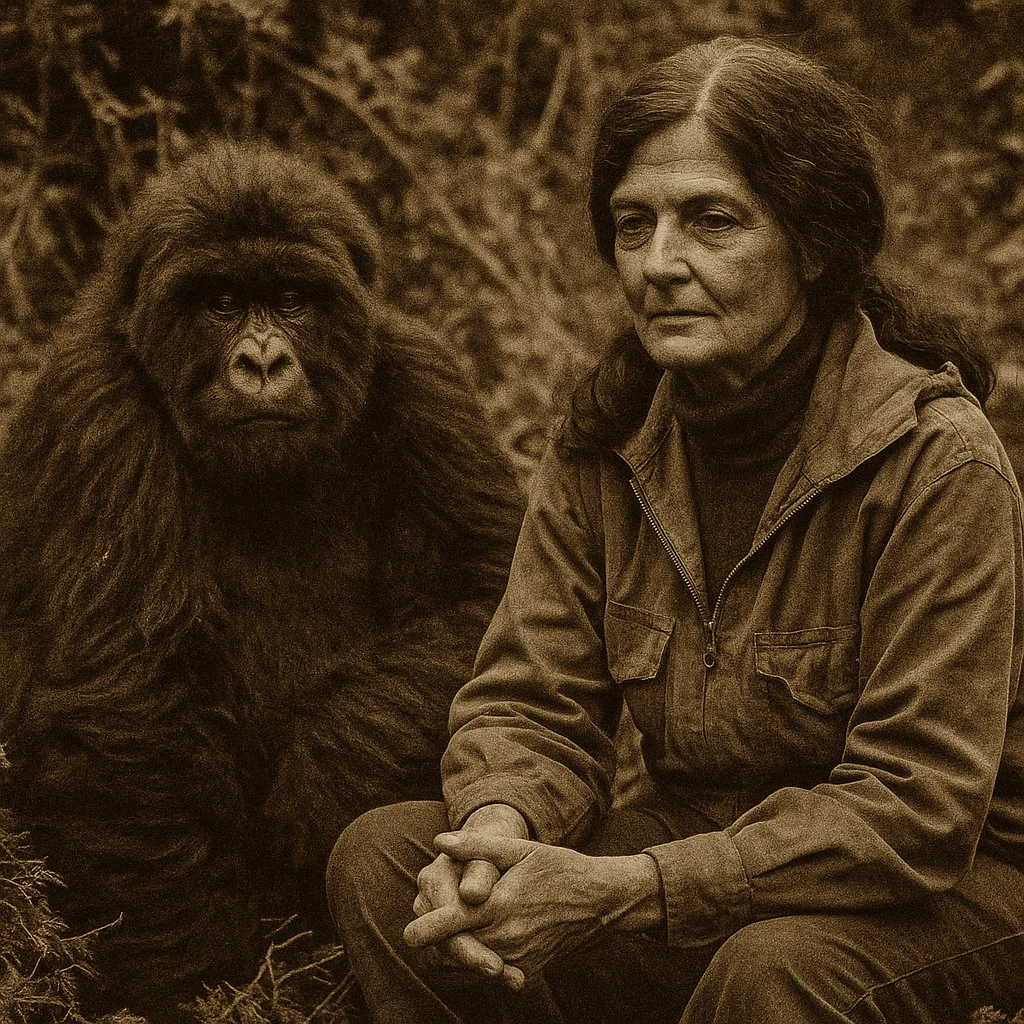
- Families Span Many Generations: It could become common for people to know their great-great-great-grandparents. Family trees would grow dramatically, creating larger and more complex relationships than ever before.
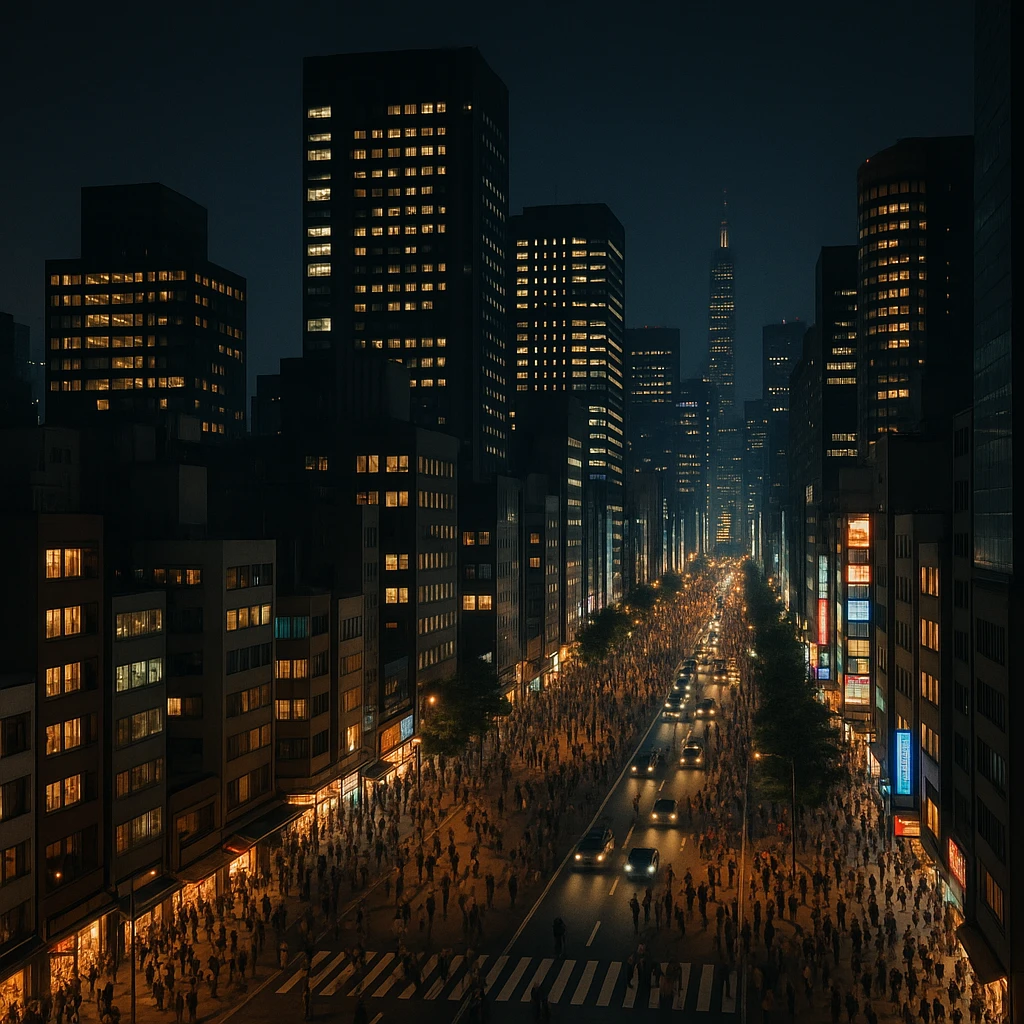
- Population Continues to Grow: If people lived much longer while birth rates remained steady, Earth's population could increase significantly. Society would need new approaches to housing, food production, energy, and natural resources.
- Retirement Takes on New Meaning: Traditional retirement at sixty or seventy would become impractical if people expected to live for centuries. Education, employment, and financial planning would likely evolve into lifelong cycles.
- Medical Care Shifts Toward Prevention: Doctors might focus less on treating age-related illnesses and more on preserving health over centuries, emphasizing prevention, regeneration, and long-term wellness.
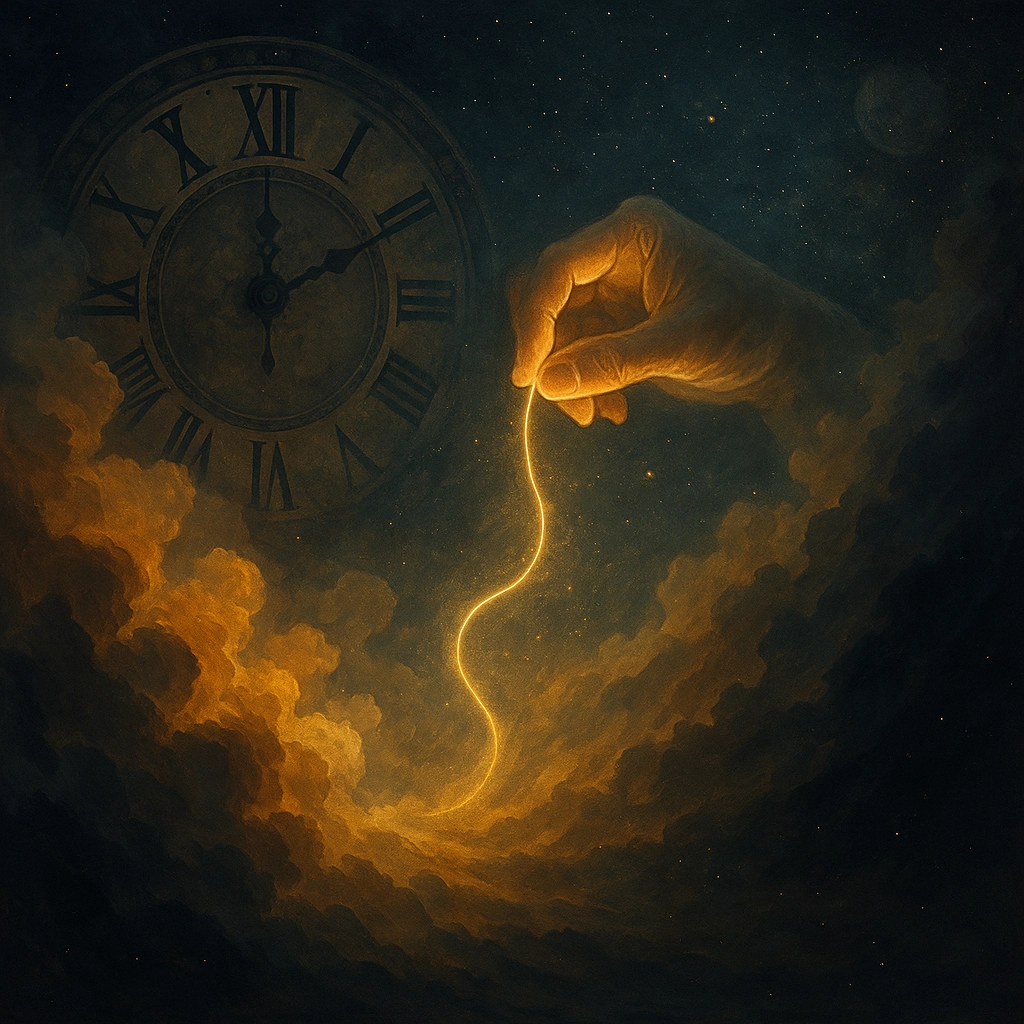
- Our Perspective on Time Changes: People might become less rushed when making life decisions, knowing they have centuries ahead of them. Goals, relationships, and ambitions could unfold over much longer periods than they do today.
Surprising Facts
- The average global life expectancy has more than doubled over the past two centuries thanks to improvements in medicine, sanitation, nutrition, and public health.
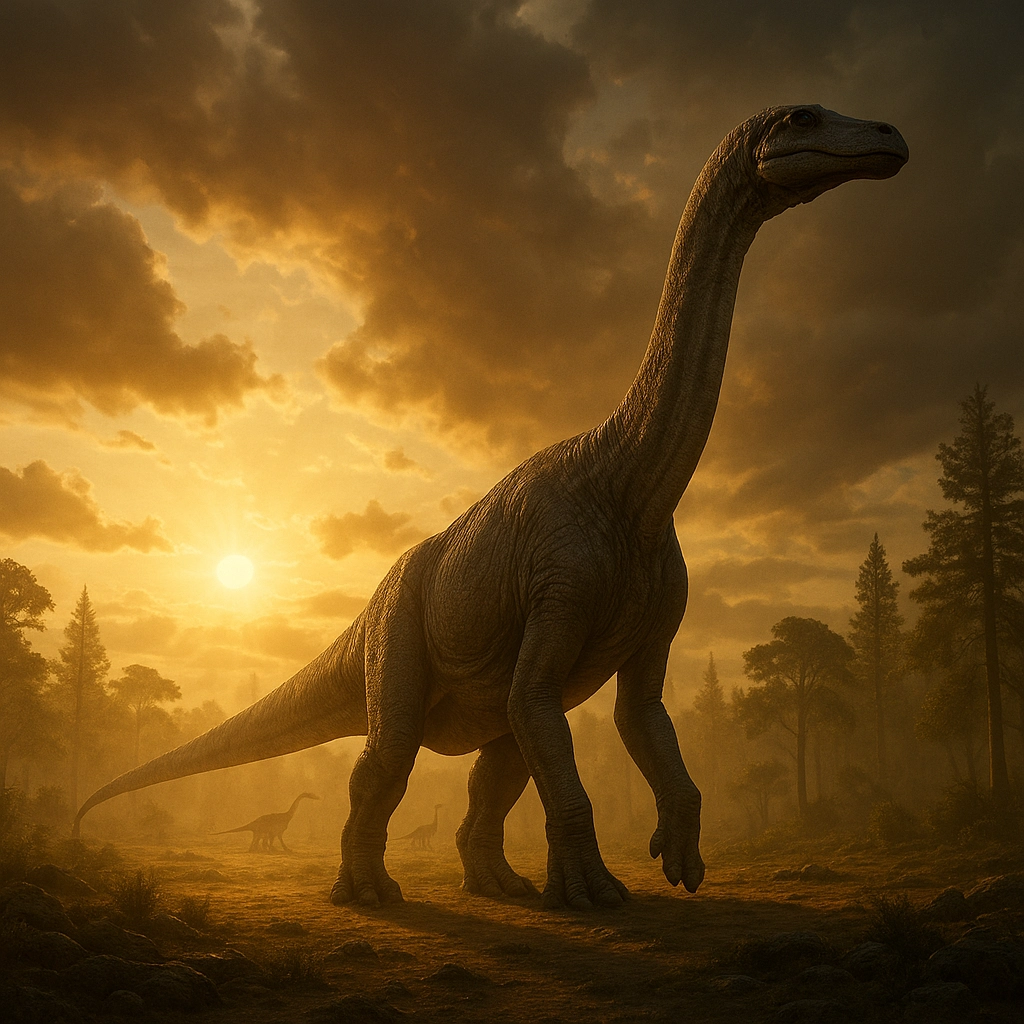
- Some animals already demonstrate remarkable longevity. Greenland sharks may live for several centuries, while certain giant tortoises have survived well beyond 150 years.
- Scientists continue studying genes, stem cells, and cellular repair mechanisms in hopes of slowing the biological processes associated with aging and extending healthy lifespan.
- Researchers often distinguish between lifespan - how long we live and healthspan - how many of those years are spent healthy, active, and free from serious disease.
In Pop Culture
The dream of living far beyond a normal human lifespan has appeared throughout mythology, literature, film, and science fiction. Stories of immortality, magical fountains, suspended animation, and advanced medicine all reflect the same desire: more time. Some fictional worlds portray extended life as humanity's greatest achievement, while others show it becoming a burden marked by boredom, inequality, or endless loss.
Films and television often explore societies where aging has been slowed, reversed, or controlled by technology. These stories usually reveal that longer life does not automatically create a better life. Questions of access, power, population, memory, and purpose become just as important as the science itself. The fantasy of centuries of life may be appealing, but fiction repeatedly asks whether humanity would use that time wisely.
Expert Take
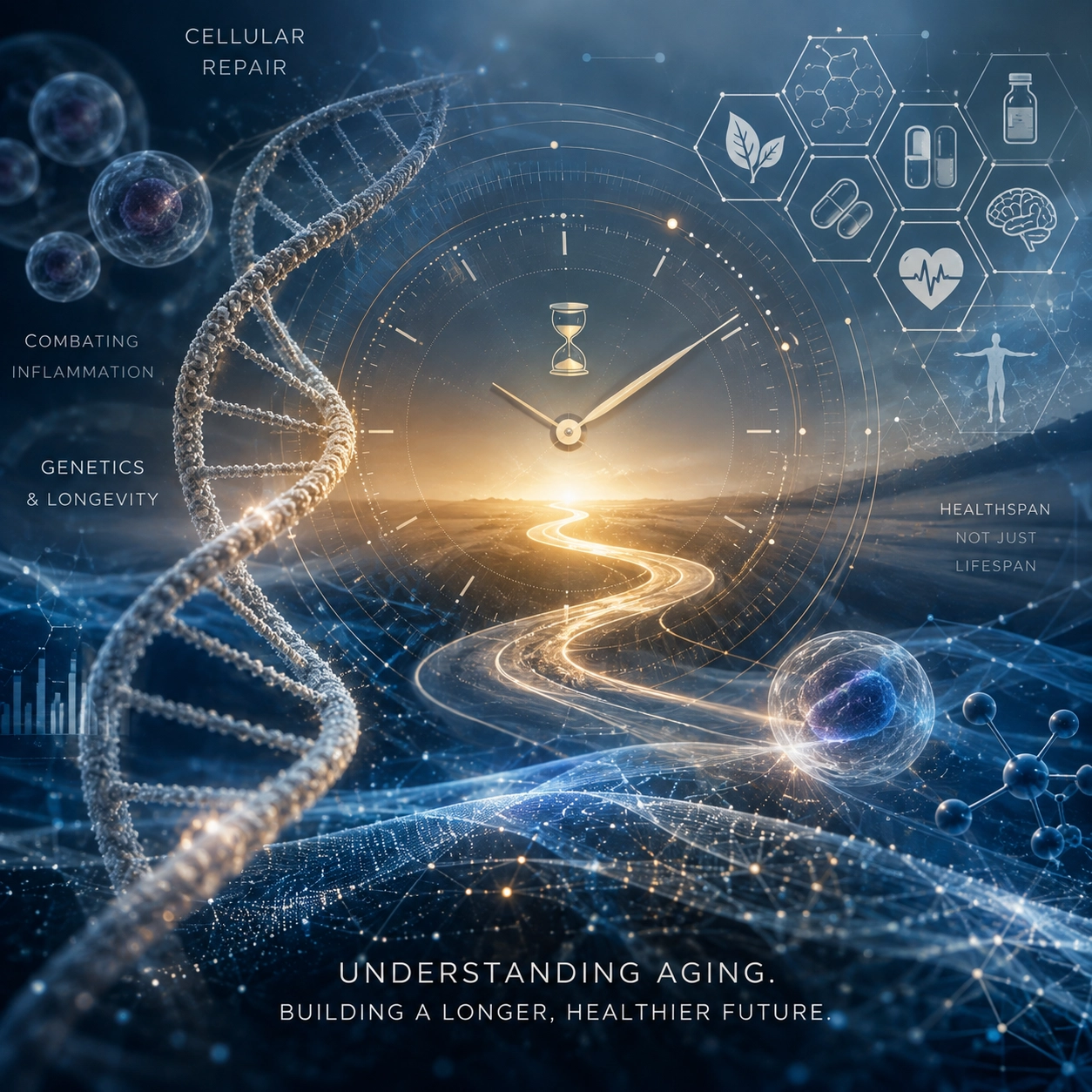
Researchers increasingly study aging as a collection of biological processes rather than a single unavoidable event. Cellular damage, inflammation, genetic changes, declining repair systems, and the loss of healthy tissue all contribute to aging over time. Understanding those mechanisms could eventually help scientists delay some age-related diseases and extend the number of years people remain healthy.
Experts also emphasize that extending lifespan without extending healthspan would offer limited benefit. Living much longer while experiencing decades of illness or frailty would create enormous personal and social challenges. For that reason, most longevity research focuses first on preserving physical and mental function rather than simply adding years to life.
Even if dramatic life extension became medically possible, the consequences would reach far beyond biology. Economists, ethicists, governments, and communities would need to reconsider retirement, inheritance, population, access to treatment, and the distribution of resources. The science of living longer may ultimately prove easier than deciding how a centuries-long society should work.
Skygaze Twist
What if the greatest gift of a longer life wasn't extra time, but the freedom to stop rushing through it? People often postpone dreams because life feels too short, yet they also delay important choices as though time were unlimited. If centuries suddenly stretched ahead of us, would we become wiser and more patient, or would we simply find new reasons to wait? Perhaps the true value of life has never depended only on how long it lasts, but on whether we learn to use the time we already have.
What About You?
If you could remain healthy and active for several hundred years, would you accept the opportunity? What would you learn, build, or experience with centuries ahead of you? Would longer life make every moment more valuable, or would time begin to feel less precious? Think it over, and continue exploring more bold possibilities here on Skygaze.