
Biological Mysteries and Life's Amazing Designs
Adrenaline Surge
The Emergency Response
When danger is detected, the adrenal glands release adrenaline, increasing heart rate, blood flow, alertness, and the availability of energy to the muscles.
Temporary Performance Boost
This fight-or-flight response can improve reaction time and physical performance for a short period, although dramatic stories of extraordinary strength are difficult to measure scientifically.
Built for Survival
Adrenaline also reduces attention to less urgent processes, allowing the body to focus its resources on escaping or confronting an immediate threat.
Babies
Covered in Fine Hair
Before birth, many babies develop a soft layer of hair called lanugo. It commonly begins around the face and later spreads across much of the body.
Usually Gone Before Birth
Most lanugo is shed before delivery, although premature babies may still have visible patches when they are born.
A Protective Role
Lanugo helps a waxy substance called vernix remain attached to fetal skin, protecting it while the baby develops in the womb.
Baby Bones
More Bones at Birth
Babies are commonly described as having roughly 270 bones, compared with 206 in the typical adult skeleton.
Bones Gradually Fuse
As children grow, separate bones join together. Several bones in the skull, spine, pelvis, and other areas eventually become larger combined structures.
Built for Growth
A baby's skeleton contains more flexible cartilage than an adult skeleton, allowing the body to grow and making childbirth somewhat safer.
Blink Speed
Thousands Every Day
Most people blink approximately 15 to 20 times each minute, although the rate changes with concentration, fatigue, conversation, and environmental conditions.
You Rarely Notice
The brain briefly reduces visual processing during a blink, helping prevent the world from appearing to flicker every few seconds.
More Than Moisture
Blinking spreads tears across the eye, clears small particles, and protects the cornea from drying out.
Bone Replacement
Living Tissue
Bones may appear solid and permanent, but they are constantly being broken down and rebuilt by specialized cells.
Continuous Remodeling
Over a period of roughly a decade, much of an adult skeleton may be renewed, although the replacement rate varies by bone, age, health, and activity level.
Why Bones Change
Remodeling repairs microscopic damage, responds to physical stress, and helps regulate minerals such as calcium.
Brain Energy
A Demanding Organ
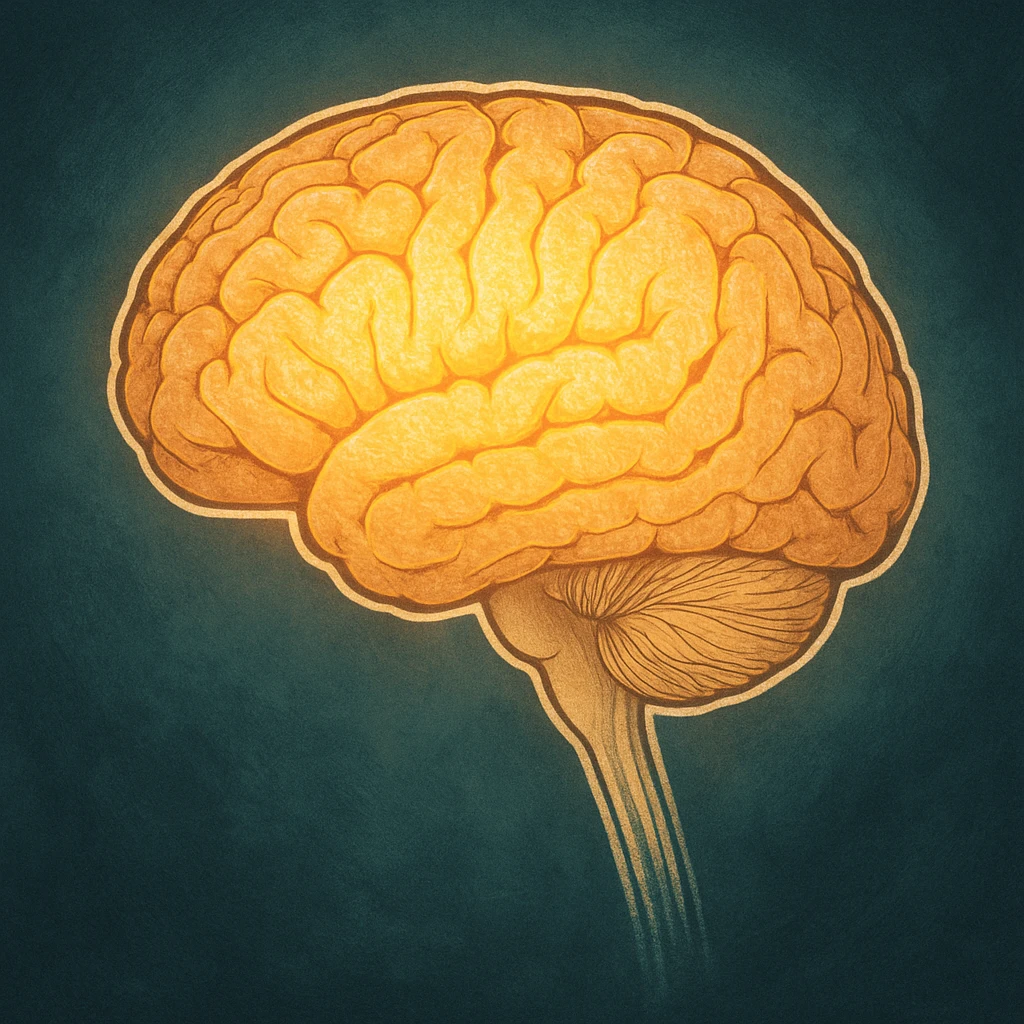
Although the brain accounts for only about two percent of body weight, it uses roughly twenty percent of the body's resting energy.
Always Active
The brain continues processing information, regulating organs, and organizing memories even while a person is asleep.
Fuel for Thought
Under ordinary conditions, glucose is one of the brain's principal energy sources, while oxygen is required to release that energy efficiently.
Cell Count
Trillions of Human Cells
Estimates suggest that an average adult body contains roughly 30 trillion human cells.
Many Specialized Types
The body includes blood cells, muscle cells, nerve cells, bone cells, skin cells, and hundreds of other specialized varieties.
A Constantly Changing Population
Millions of cells die and are replaced every second, although some cell types renew much faster than others.
DNA
Nature's Information System
DNA stores biological instructions using combinations of four chemical bases often represented by the letters A, C, G, and T.
Extraordinary Data Density
Researchers studying DNA-based data storage have demonstrated that enormous amounts of digital information could theoretically fit into only a tiny quantity of DNA.
Not Every Section Is a Gene
Only a small portion of human DNA directly codes for proteins. Much of the remainder helps regulate genes or performs functions scientists are still investigating.
DNA Length
Packed Into Microscopic Cells
If the DNA in a single human cell were stretched out, it would measure approximately two metres long.
Folded With Precision
That DNA must fit inside a cell nucleus only a few micrometres across, so it is wrapped and folded around proteins in an extremely organized way.
An Astonishing Total
Multiplying that length across trillions of nucleated cells produces a combined distance measured in billions of kilometres, although estimates vary depending on which cells are included.
Earwax Type
Wet or Dry
People commonly have either wet earwax, which tends to be sticky and yellow-brown, or dry earwax, which is usually flaky and pale.
Determined by Genetics
A variation in the ABCC11 gene strongly influences which type a person produces.
Linked With Body Odour
The same gene also affects secretions from certain sweat glands, helping explain population differences in underarm odour.
Flatulence
Mostly Ordinary Gases
Intestinal gas commonly contains nitrogen, carbon dioxide, hydrogen, oxygen, and sometimes methane. Most of these gases are nearly odourless.
What Creates the Smell
The familiar odour usually comes from tiny quantities of sulfur-containing compounds produced as intestinal bacteria break down food.
Clothing Makes a Difference
A small informal experiment once found that uncovered flatulence could deposit bacteria onto a nearby culture dish, while clothing acted as an effective barrier.
What You Actually Smell
Smelling flatulence does not mean visible waste is floating through the room. The odour is primarily caused by airborne gas molecules in extremely low concentrations.
Fingerprints and Identification
Highly Distinctive Patterns
Fingerprints contain ridges, loops, whorls, and tiny details that make them extremely useful for identification.
Not Mathematically Guaranteed
Science cannot prove that no two people could ever share every fingerprint feature, especially when only a small or damaged partial print is available.
Quality Matters
Errors are more likely when prints are incomplete, distorted, contaminated, or interpreted without sufficient supporting evidence.
Gag Reflex Mystery
A Protective Response
The gag reflex helps prevent foreign objects from entering the throat and airway.
Not Everyone Responds Alike
Some people naturally have a very sensitive gag reflex, while others have little or no easily triggered response.
More Than One Defence
Swallowing, coughing, sensation, and airway closure also contribute to protecting a person from choking.
Genetics
About 20,000 Protein-Coding Genes
Humans possess approximately 20,000 genes that provide instructions for making proteins, along with many regulatory regions that control when and where those genes are used.
Genes Are Not Destiny
Most traits result from interactions among numerous genes, environmental influences, development, and life experiences.
Epigenetics
Chemical changes can affect how strongly certain genes are expressed without altering the underlying DNA sequence.
Chimeric Animals
Scientists have produced chimeric mice by combining cells from more than one early embryo. The resulting animal can contain genetically different groups of cells within the same body.
Hair Growth
Growth Happens in Cycles
Each hair follicle moves through active growth, transition, resting, and shedding phases.
Not All Hair Grows Equally
Scalp hair can remain in its growth stage for years, while eyebrow and body hair have much shorter cycles.
Many Influences
Age, hormones, nutrition, genetics, illness, and seasonal changes can all affect hair growth and shedding.
Heartbeat Changes
No Perfect Metronome
A healthy heart does not beat at precisely identical intervals. Small differences between beats are known as heart-rate variability.
Controlled by the Nervous System
Breathing, exercise, stress, sleep, and emotional state all influence the timing between heartbeats.
A Useful Signal
Heart-rate variability can provide information about how the autonomic nervous system is responding, although it should not be interpreted as a diagnosis on its own.
Hormones While Sleeping
Growth and Repair
During deep sleep, the body releases growth hormone, supporting tissue repair, metabolism, and physical development.
Appetite Regulation
Sleep influences hormones involved in hunger and fullness, which helps explain why poor sleep can affect appetite.
Memory and Emotion
Sleep also supports memory consolidation, learning, immune function, and emotional regulation.
Joint Sounds
What Makes the Pop?
The sound produced when knuckles are cracked is associated with a rapid pressure change and the formation of a gas cavity within joint fluid.
Not Bones Grinding Together
An occasional painless crack usually does not mean that bones or ligaments are being damaged.
When to Pay Attention
Joint sounds accompanied by pain, swelling, locking, or reduced movement may deserve medical assessment.
Liver Power
Remarkable Regeneration
The liver can restore much of its original mass after a substantial portion has been surgically removed.
Existing Cells Multiply
Rather than growing an entirely new organ from nothing, remaining liver cells enlarge and divide until functional mass is restored.
Regeneration Has Limits
Long-term damage from disease, toxins, or severe scarring can interfere with the liver's ability to recover.
Memory Experiments
A Controversial Discovery
During the twentieth century, researchers performed unusual experiments suggesting that trained planarian worms might pass learned responses to other worms through biological material.
Difficult to Reproduce
Later studies produced inconsistent results, and scientists did not establish that complete memories could simply be transferred from one animal to another.
Why the Experiments Mattered
The controversy encouraged researchers to ask deeper questions about how memories are encoded in cells, neural networks, proteins, and patterns of gene activity.
Modern Understanding
Current neuroscience generally views memory as a changing pattern of activity and connection across networks of brain cells rather than as a single transferable substance.
Nerve Signals
Extremely Fast Communication
The fastest nerve impulses can travel at more than 100 metres per second, or over 200 miles per hour.
Not Every Nerve Is Equally Fast
Signal speed depends on the size of the nerve fibre and whether it is insulated by a fatty coating called myelin.
Built-In Reflexes
Some reactions, such as quickly withdrawing from a hot surface, are coordinated through the spinal cord before the brain fully processes what happened.
Blood Cell Production
Millions Every Second
Bone marrow continuously produces enormous numbers of new blood cells to replace those that become damaged or reach the end of their lifespan.
Different Lifespans
Red blood cells typically circulate for about four months, while some white blood cells survive only briefly and others may persist for years.
A Living Production System
This constant renewal allows blood to transport oxygen, fight infection, control bleeding, and remove waste without interruption.
The Human Microbiome
A Community Within You
The human body contains vast communities of bacteria, fungi, viruses, and other microorganisms, especially in the digestive system.
Helpful Partners
Many microbes assist with digestion, vitamin production, immune development, and protection against harmful organisms.
Different for Everyone
Diet, age, environment, medication, illness, and genetics all help shape a person's microbiome.
Biological Aging
Cells Change With Time
As people age, cells accumulate damage, repair systems become less efficient, and some cells stop dividing.
Telomeres
Protective structures called telomeres shorten during many rounds of cell division, although they are only one part of the aging process.
No Single Aging Clock
Genetics, environment, disease, nutrition, activity, stress, and chance all influence how quickly different tissues age.
Skin as an Organ
The Body's Largest Organ
Skin is commonly described as the largest organ of the human body and represents a significant portion of total body weight.
A Protective Barrier
It helps block pathogens, limits water loss, and shields deeper tissues from physical and chemical damage.
More Than a Covering
Skin also regulates temperature, detects touch and pain, supports vitamin D production, and participates in immune defence.
Sweat Isn't Smelly
Mostly Odourless
Fresh sweat is primarily water and salts and usually has little smell of its own.
Bacteria Create the Odour
Body odour develops when skin bacteria break down compounds in sweat, particularly in areas rich in apocrine glands such as the armpits.
Two Main Sweat Systems
Eccrine glands help cool the body, while apocrine glands produce thicker secretions that bacteria can transform into stronger-smelling compounds.
Taste Bud Life
Constant Renewal
Many taste receptor cells are replaced approximately every one to two weeks.
Damage Can Be Temporary
This renewal helps the sense of taste recover after minor injuries, such as briefly burning the tongue with hot food.
Taste Is Only Part of Flavour
Smell, temperature, texture, and even sound contribute to the experience commonly described as taste.
Tongue Power
Not a Single Muscle
The tongue is a muscular organ made from several muscles working together in different directions.
Remarkably Flexible
Its structure allows it to change shape rapidly while speaking, chewing, swallowing, tasting, and positioning food.
Strongest Muscle Myth
The tongue is often called the body's strongest muscle, but there is no single scientific measure that makes that claim meaningful. Its real achievement is precision and flexibility.
Immune Memory
Learning From Infection
After encountering certain pathogens, the immune system can retain specialized memory cells that recognize them in the future.
Faster Future Response
If the same threat returns, these cells may trigger a quicker and more effective defence.
How Vaccines Help
Vaccination uses this biological memory by safely teaching the immune system to recognize particular infections before exposure causes serious illness.
Interested in reaching Curious Minds?
Advertise on Skygaze.